
Same-day & Next-day Delivery

Quality Guaranteed

Unlock Your Welcome Offers: FREE Delivery | Up to 80% OFF | Free 30-day JoyPlus trial
Download the APP
Dry hair, frizzy lengths, a sensitive scalp or hair that gets greasy quickly: the right hair care depends on your hair type, routine and goals. Yet many products look alike. Glossy packaging and terms such as “repair”, “natural” or “intensive nourishment” don’t automatically tell you whether a product is right for your hair.
So focus on information you can check: the product type, size, ingredients, how often to use it and any warnings. This helps you avoid paying too much for a product you’ll hardly use.
“For all hair types” may sound convenient, but dry, fine, curly and oily hair don’t have the same care needs. A rich hair oil, for example, may feel good on dry ends but weigh down fine hair. A daily shampoo may be less suitable if your scalp gets irritated easily.
So consider the combination of hair type and hair concern. Are you looking for glossy hair, care for dry hair, help repairing damaged hair or, above all, a fresh-feeling scalp? This will help you decide which product makes sense.
Claims about reducing hair loss or stimulating hair growth deserve extra attention. According to WELEDA’s product description, its rosemary hair tonic is designed to revitalise the scalp and help reduce hair loss. This is a claim made by the brand, not a guarantee of personal results. Cosmetic hair care is no substitute for medical advice if hair loss is persistent or sudden.
Results can also vary with anti-dandruff shampoo. According to its own product information, Head & Shoulders says its formula with piroctone olamine helps remove and prevent dandruff when used regularly. Always check the current ingredients list and directions on the packaging.
A large bottle or hair care multipack isn’t always better value. Compare the price per 100 ml and think about how often you’ll use the product. A hair mask used once or twice a week will last longer than a shampoo used daily. If you’re buying a hair care set, also check whether you really need every item.
Shampoo cleanses your hair and scalp. Conditioner is usually applied to the lengths and ends to make hair easier to comb through. A hair mask is often more concentrated and intended for occasional use. Hair oil and hair tonic have different uses:
Check the volume in millilitres or weight in grams, the number of bottles and the type of packaging. A 250 ml bottle is practical if you want to try a product first. A 550 ml bottle or a 6-pack is better suited to an established routine and several people in the household. With a travel size, such as 95 ml, you may pay more per millilitre, but you get a compact product.
Read the ingredients list if you want to avoid fragrance, silicones, sulphates or certain preservatives. “Natural” doesn’t automatically mean a product is suitable for everyone. If you have a known allergy, the full ingredients list on the packaging is what matters.
Also check claims such as vegan, paraben-free, sulphate-free or dermatologically tested. These properties vary from product to product. L’Oréal Elvive Glycolic Gloss Shampoo, for example, is described as sulphate-free and, according to the product description, contains glycolic acid. The current list on the packaging remains the best source, as ingredients may change.
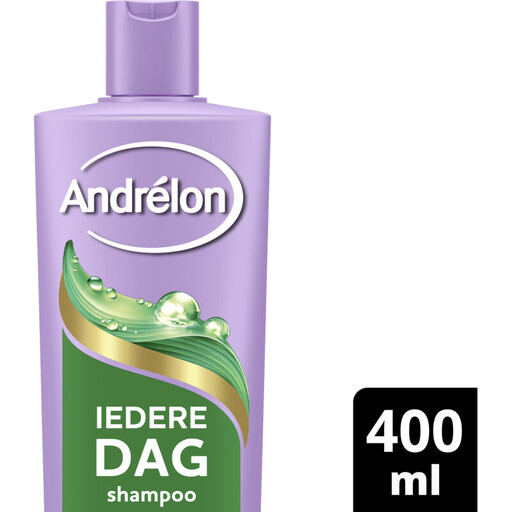
Why it suits this profile: A straightforward shampoo for adults looking for a product for everyday cleansing. The 400 ml size is easy to manage and suitable for regular use.
The product information clearly states its purpose and size. If you’re sensitive to fragrance or certain ingredients, check the details provided.
400 ml; designed for everyday cleansing; enriched with sunflower oil, according to the product description.
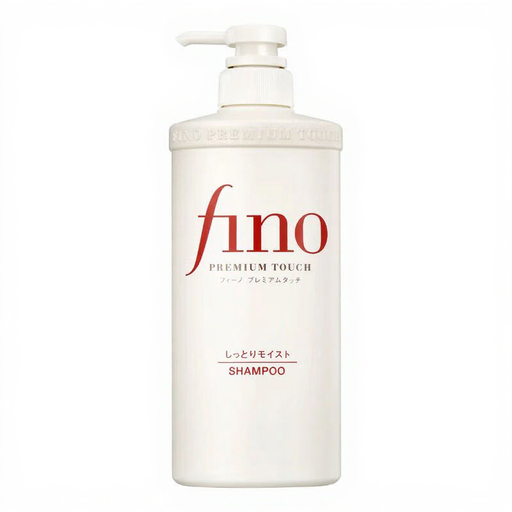
Why it suits this profile: A good fit if you’re looking for a larger bottle and a nourishing routine for dry or damaged hair, without buying a complete set straight away.
The product details list the 550 ml size, pump format and ingredients. This lets you check the volume and formula instead of relying on marketing language alone.
550 ml with pump; ingredients such as royal jelly extract, PCA and squalane are listed; described as suitable for all hair types in the product information.
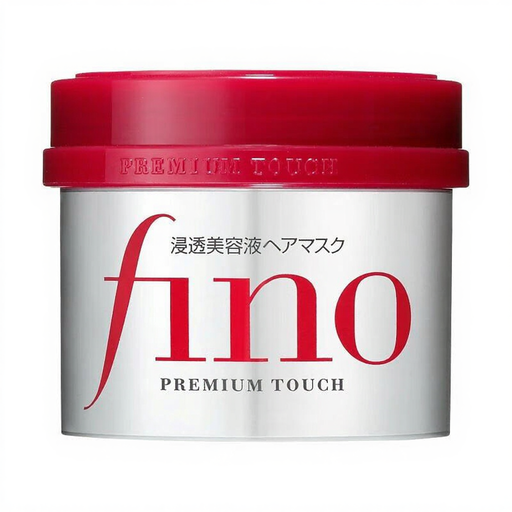
Why it suits this profile: A practical addition if you regularly blow-dry, straighten or colour your hair, or find it dry, frizzy and dull.
Use the mask once or twice a week rather than every day. This helps you avoid buying lots of intensive products you don’t need.
230 g; developed for dry, frizzy and damaged hair according to the product details; use as an addition to conditioner.
A simple routine usually has three steps:
If you want to save time, a 2-in-1 shampoo can be practical. For very dry or damaged hair, a separate conditioner or hair care set often gives you more ways to tailor your routine. Only buy a multipack once you know the formula and can keep track of its shelf life after opening.
We’ve put together a complete, up-to-date list of products that meet these strict selection criteria and the applicable European safety regulations.
That depends on your scalp, styling products and daily activities. Wash your hair when it or your scalp feels greasy, but if you have a sensitive scalp, choose a suitable formula. Follow the directions for use and stop if irritation occurs.
A 250 to 400 ml bottle may last from a few weeks to several months with regular use. This varies depending on your hair length, how often you wash it and how much you use each time. So compare the size and price per 100 ml, not just the shelf price.
Some brands list this as a product benefit, as WELEDA does for its rosemary hair tonic. This remains a brand claim, and individual results may vary. If you have persistent hair loss, itching or flaking, it’s a good idea to consult your GP or another healthcare professional.
