
Vandaag of morgen in huis

Kwaliteit gegarandeerd

Welkomstaanbiedingen ontgrendelen: GRATIS bezorging | Tot 80% korting | Gratis 30 dagen JoyPlus-proefperiode
Download de app
Dryness, frizz, an oily scalp or hair that breaks easily: hair care products come in many varieties, which can make choosing the right one tricky. A higher price, professional-looking packaging or a promise to “repair” your hair tells you little on its own about whether a product is right for you.
The most common buying pitfalls are:
Start with the main distinction: is the issue mostly with your scalp or your lengths?
Check the full ingredients list, especially if you have a sensitive scalp or a known allergy. Fragrances, alcohol, silicones, sulphates and preservatives aren’t a problem for everyone, but they may affect your choice.
A conditioner for damaged hair, for example, often contains nourishing ingredients such as fatty alcohols, conditioning agents and proteins. Syoss Intense Repair Conditioner contains glycerine, hydrolysed keratin and hydrolysed soya proteins, among other ingredients. The packaging also states that it is not sulphate-free or silicone-free. This is useful information if you’re looking to avoid those types of formula.
Check the warnings too. Aerosols such as hairspray and hair mousse are flammable and must not be stored above the stated temperature. Products for external use should be kept out of your eyes.
The size only tells you something about value when you also consider how much you use. A 400 ml shampoo is handy for regular use, while a pack of 6 × 440 ml is better suited to households that like to stock up. A 50 ml travel size is practical for a weekend bag.
Using products correctly helps avoid waste:
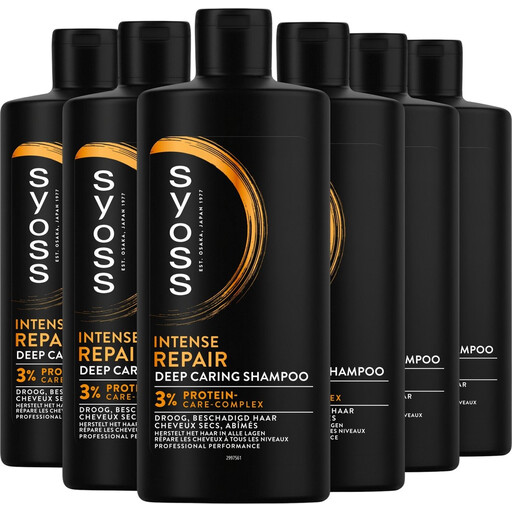
Why it suits this profile: This multipack contains six 440 ml bottles and is suitable if you regularly use shampoo for dry or damaged hair.
The size, number of bottles and intended use are clearly specified. Just check that you have enough storage space.
6 × 440 ml, suitable for dry hair and, according to the product information, formulated with amino acids.
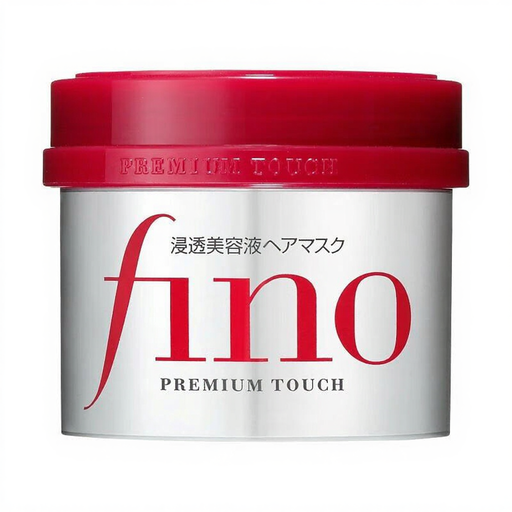
Why it suits this profile: This hair mask is designed for dry, frizzy and dull hair, and can be used once or twice a week as an intensive treatment.
It’s clear how to use it: apply the mask instead of conditioner, not as your daily shampoo.
230 ml, pH-neutral according to the product specifications and supplied in a jar.
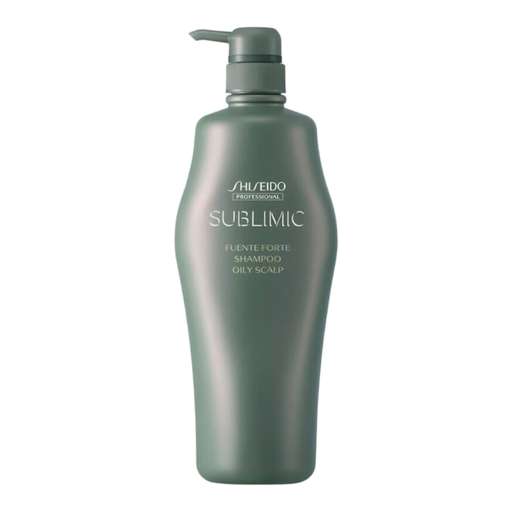
Why it suits this profile: According to the product description, this version is designed for an oily or odour-prone scalp and comes in a generous size for regular use.
It’s designed for a more specific need than a general-purpose shampoo. Check beforehand whether your scalp does tend to get oily quickly.
1000 ml, designed to remove excess oil and, according to the description, leave a cooling sensation.
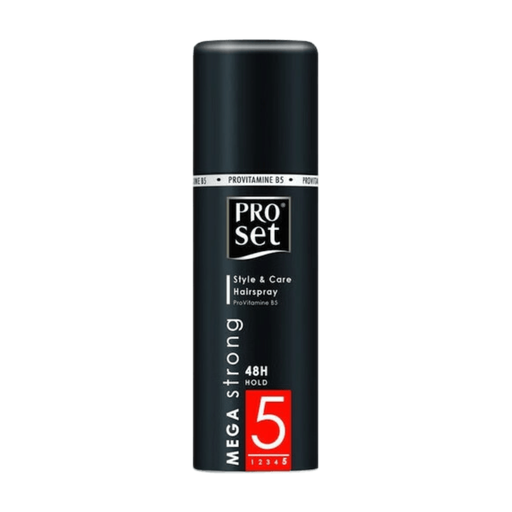
Why it suits this profile: The 50 ml size fits in a washbag and is designed to hold dry or styled hair in place with precision.
The small size means you don’t have to buy a large can for occasional use. Read the aerosol safety warnings.
50 ml, use from a distance of 20–30 cm and store the can in a cool, dry place away from heat.
We’ve put together a complete, up-to-date list of products that meet these strict selection criteria and the applicable European safety regulations.
Use a shampoo for dry hair on your scalp and apply conditioner to the lengths. Add a hair mask once or twice a week. A small amount of hair oil on the ends can help reduce frizz and add extra shine. Avoid blow-drying your hair at too high a temperature and use styling products sparingly.
It depends on your scalp, activity levels and styling routine. An oily scalp may need washing more often than dry hair. Use enough shampoo to cleanse your scalp, but avoid using more product than necessary. When trying a new formula, it’s a good idea to start with a small amount.
A product such as Swedish Collagen Collagen Deluxe Shots is a food supplement containing marine collagen, hyaluronic acid, vitamin C, biotin and vitamin D, among other ingredients. According to the product information, it’s intended as a daily supplement. It isn’t a substitute for a varied diet, and the stated ingredients don’t guarantee a visible effect. Check for allergens, such as fish, and follow the instructions on the label.
Professional hair care may be worth considering if you want to address a specific concern, such as damage caused by colouring, heat or frequent styling. Always compare the formula, size and recommended frequency of use with those of everyday products. A salon-style image alone doesn’t prove that a product suits every hair type.
