
Vandaag of morgen in huis

Kwaliteit gegarandeerd

Welkomstaanbiedingen ontgrendelen: GRATIS bezorging | Tot 80% korting | Gratis 30 dagen JoyPlus-proefperiode
Download de app
Dry hair, frizzy curls, a sensitive scalp or roots that become greasy quickly: hair care does not work the same way for everyone. Yet many people choose products mainly based on the scent, packaging or a promise such as “repair” and “extra volume”. This can lead to a product that feels too heavy, does not provide enough care or is not suited to your hair type.
With this guide, you can compare hair care based on use, ingredients, product format and clear specifications. This makes it easier to find the right shampoo, conditioner, hair mask, hair serum or leave-in hair care product for everyday use.
Words such as “repairing”, “nourishing” and “natural” do not mean much on their own. Always check what the product is intended for according to its product description. For example, a shampoo for curly hair has a different purpose from an anti-dandruff shampoo. Hair oil or serum is usually applied to the lengths and ends, and does not replace cleansing the scalp.
Claims about performance come from the brand. According to the manufacturer's product description, a formula may, for example, help make dry hair smoother or easier to manage. This does not guarantee the same result for every user.
Rich hair oil, silicone-rich treatments or an intensive hair mask can feel pleasant on dry or damaged hair, but may feel too heavy on fine hair. So pay attention to the product format:
Natural hair care is not automatically suitable for every scalp. Check the ingredients list for fragrances, essential oils and known allergens. Age suitability is also important for children and babies. Avoid contact with the eyes and follow the instructions on the packaging. If scalp problems persist, seeking advice from a doctor or pharmacist is wiser than continually trying a different cosmetic product.
Start with your main concern: dry hair, damaged hair, curly hair, coloured hair, blonde hair or thinning hair. Then check whether the product is intended for adults, children or all hair types.
For curly hair, a shampoo with a conditioning formula may be worth considering. For dry hair, a conditioner, hair mask or leave-in serum is often a good choice. If your main priority is quick styling, you could look at hair mousse, hair lotion or a lightweight cream.
A product with a high percentage of ingredients of natural origin may suit your preferences, but this does not automatically indicate how your hair will respond to it. Andrelon Pro Nature, for example, states that certain variants contain 94% ingredients of natural origin and 0% sulphates and silicones. Always check the current packaging, as formulations may change.
Also look out for claims such as vegan, paraben-free or dermatologically tested. Each of these terms has a specific meaning and is not a general guarantee of quality. If you have a sensitive scalp, the full ingredients list is more important than a single prominent claim on the front of the pack.
Do not compare the price alone; also consider the capacity and how much you use each time. A 400 ml bottle of shampoo is practical for regular use, while capsules, sachets or a tub of hair mask require a different dosage. The shelf life, period after opening and usage instructions are stated on the packaging. Store leave-in products, hair oil and serums in a cool, dry place and out of reach of children where indicated.
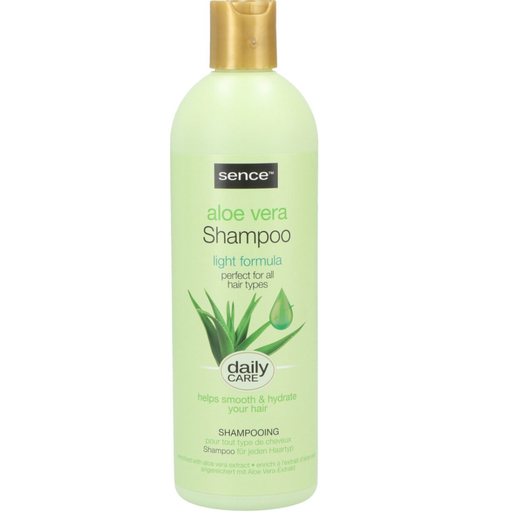
Why it suits this profile: A simple 400 ml shampoo for anyone looking for a basic product for dry or damaged hair.
The product description clearly states the type, variant and capacity. This helps you know what you are buying instead of relying on a marketing term alone.
Aloe vera variant; 400 ml; suitable as a cleansing basic in a hair care routine.
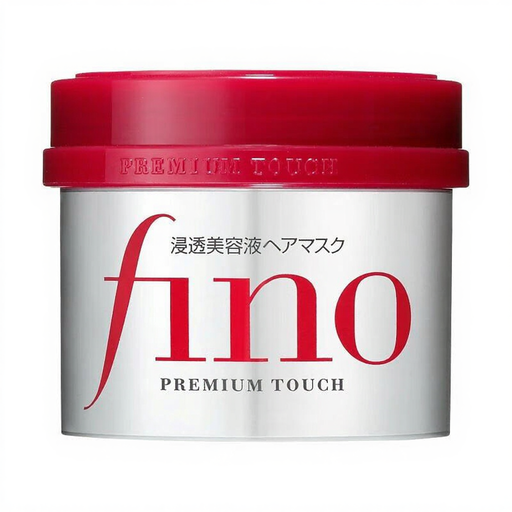
Why it suits this profile: A hair mask for anyone looking for extra care for dry, damaged or frizzy hair.
Its use is clearly defined: the product information recommends using the mask once or twice a week instead of conditioner.
230 ml; intended for all hair types; use as an additional intensive treatment.
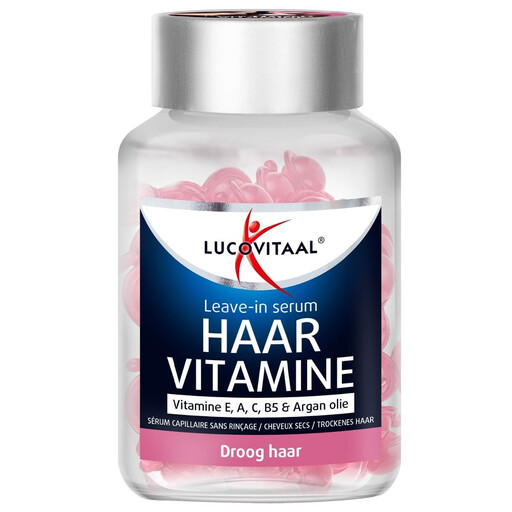
Why it suits this profile: Ideal for anyone who wants to care for dry lengths every day without rinsing the hair after use.
The instructions focus on the lengths and ends. This means you do not need to apply an oily product to the scalp as standard.
Leave-in formula; capsules containing a blend of oils; suitable for dry, damaged, curly and coloured hair according to the product details.
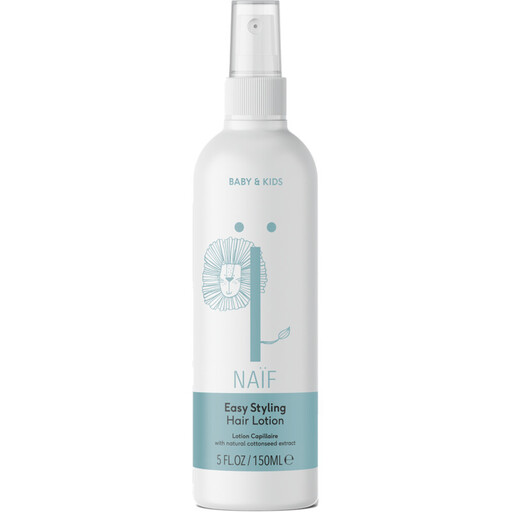
Why it suits this profile: For parents who want to make detangling and combing unruly hair easier for babies and children.
The application is clear: apply a small amount to dry or damp hair and comb through. Always check the packaging before use.
150 ml; leave-in hair lotion; intended for baby and children's hair; fragrance stated as free from the 26 most common allergens according to the product information.
We have put together a complete, up-to-date list of products that fully meet these strict selection criteria and the applicable European safety regulations.
It depends on your scalp, sporting activities, styling products and hair type. A shampoo for daily use can be practical if you have a normal to quickly greasy scalp. Dry or curly hair may benefit from washing less often and using an additional conditioner. Follow the usage instructions and adjust your routine if your hair feels heavy, dry or greasy.
You generally use conditioner after every wash on the lengths and ends. A hair mask is usually richer and intended for periodic care. For dry or damaged hair, you can use a mask once or twice a week, while conditioner provides the everyday foundation.
No. According to the product description, dry shampoo can temporarily absorb sebum or oil and freshen the hair between washes. It does not cleanse the scalp in the same way as shampoo used with water. So use ordinary shampoo regularly, and pay attention to safety warnings for aerosols, such as flammability and contact with the eyes.
