
Vandaag of morgen in huis

Kwaliteit gegarandeerd

Welkomstaanbiedingen ontgrendelen: GRATIS bezorging | Tot 80% korting | Gratis 30 dagen JoyPlus-proefperiode
Download de app
Dry, frizzy, brittle or lifeless hair doesn’t automatically call for a whole shelf full of hair products. The right choice depends mainly on your hair type, styling routine and the ingredients you prefer to use or avoid. However, shoppers often end up paying for claims that don’t suit the way they use a product.
Watch out for these common pitfalls:
A practical way to narrow down your options is to start with your goal:
The amount in the pack affects how often you can use a product. A hair mask containing 180 to 300 grams is practical for regular use at home. A 25 ml pack, such as the Herbal Essences Repair mask, is better suited to trying out or taking with you.
Check the directions for use too. A mask is usually applied to damp hair and rinsed out after a few minutes. Hair oil or serum is often used sparingly on the lengths and ends. With sprays, the distance matters: for example, ghd Shiny Ever After specifies a distance of around 30 centimetres.
A product labelled “sulphate-free”, “vegan” or “silicone-free” may be a better fit for a particular routine, but that doesn’t automatically make it suitable for every hair type. Always check the packaging and the current ingredients list.
Also watch out for conflicting information. Syoss Hair Spray Keratin’s product information says both that the spray is alcohol-free and that its ingredients include Alcohol Denat. If you want to avoid alcohol in hair products, it’s best to check the packaging and ingredients list before buying.
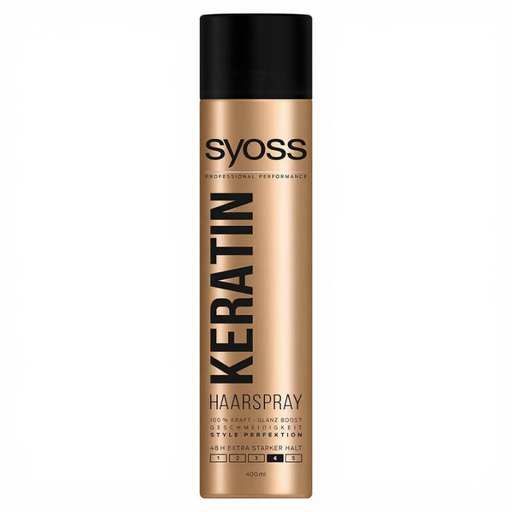
Why it suits this profile: The generous 400 ml size is practical if you style your hair regularly and are looking for a straightforward product to hold your style in place.
Its intended use and hold are clearly stated. However, check the packaging for the conflicting information about alcohol-free use.
400 ml; intended for all hair types; strong hold according to the product description.
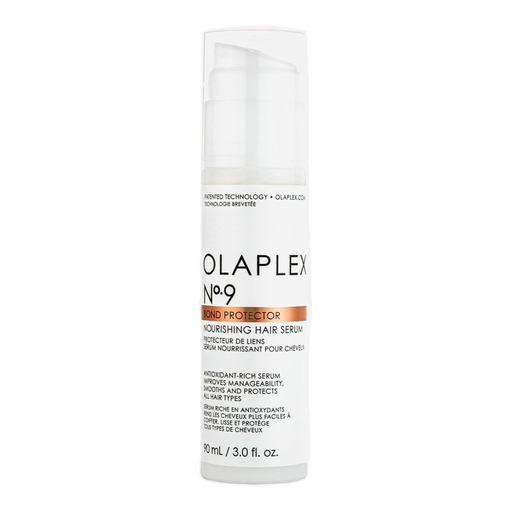
Why it suits this profile: According to the product information, this hair serum is designed to protect against heat and pollution, and should be used on towel-dried hair.
The product description explains how to use it, which hair types it’s for and the features of its formula. Don’t expect it to replace shampoo or a hair mask.
90 ml; sulphate-free and silicone-free according to the product information; intended for all hair types.
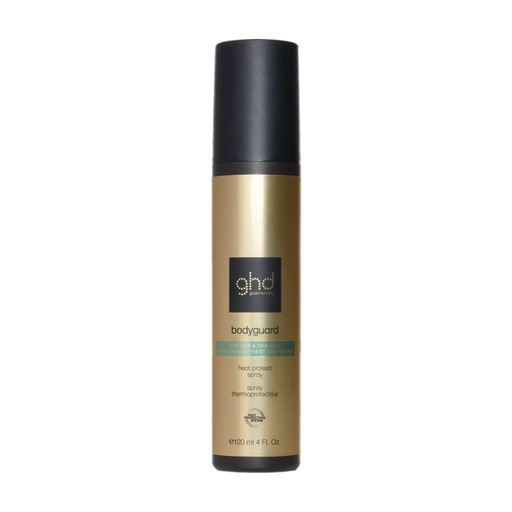
Why it suits this profile: If you often use a hairdryer, straighteners or curling tongs and have fine or thin hair, this product is specifically described for people like you.
The product description specifies heat protection up to 230 °C. Use the product according to the label and set your styling tool’s temperature accordingly.
120 ml dispenser; lightweight, non-greasy formula according to the product description; designed for fine and thin hair.
We’ve put together a complete, up-to-date list of products that meet these strict selection criteria and the current European safety regulations.
It depends on the condition of your hair and the instructions on the packaging. Many masks are intended for use once or twice a week. If you have fine hair, start with a small amount on the lengths and ends. Using a mask every day can leave your hair feeling heavy or limp.
Hair oil is usually designed to add softness and shine, and help control frizz. A hair serum may also make specific styling or protection claims. Always check the directions for use. As a rule, don’t apply either product generously at the roots, especially if you have fine hair.
Yes. If you use heat, a product specifically designed to protect your hair from heat is a more suitable choice than ordinary hairspray. Hairspray is primarily intended to hold your style in place. Check whether the manufacturer specifies a temperature or particular use, and use styling tools according to their safety instructions.
