
Vandaag of morgen in huis

Kwaliteit gegarandeerd

Welkomstaanbiedingen ontgrendelen: GRATIS bezorging | Tot 80% korting | Gratis 30 dagen JoyPlus-proefperiode
Download de app
Dry, damaged, frizzy or lifeless hair doesn’t automatically call for a whole shelf full of products. The right hair care starts with identifying your hair concern and checking the product details. A hair mask for dry hair, for example, has a different purpose from a scalp treatment or an anti-frizz hair serum.
As a Joybuy Product Recommendation Officer, I look at practical details when assessing products: how to use them, their size, ingredients, recommended frequency and suitability for different hair types. This makes it easier to find hair products that fit your routine and to view marketing claims with a healthy dose of caution.
Coconut oil, keratin, camellia oil or a peptide may sound appealing, but one ingredient alone doesn’t determine how a product will work on your hair. Check the full ingredients list, texture and instructions for use, too. A rich formula may feel lovely on dry hair but too heavy on fine hair.
A hair mask is usually more concentrated than a regular conditioner. Using one every day may be unnecessary, and some formulas can leave your hair feeling heavy or less bouncy. Check whether the product is intended for use once or twice a week, or every day.
In practice, repairing damaged hair often means making it temporarily smoother, softer and easier to manage. Split ends don’t grow back together. Products can help care for the hair’s surface and reduce further friction or breakage caused by styling. Read brand claims about bond-building, protection or repair as information from the product description, not as a guarantee that everyone will get the same results.
For dandruff, excess sebum or product build-up, look for a product designed for the scalp. A treatment containing salicylic acid or zinc PCA, such as the Dancoly Green Tea Deep Scalp Anti-Dandruff Essence, is intended for a different purpose from a conditioner for the ends of your hair. Follow the instructions on the packaging and stop using the product if irritation occurs. You can discuss persistent scalp concerns with a doctor or pharmacist.
For dry, coloured or damaged hair, a mask, conditioner, hair oil or hair serum is usually applied from the mid-lengths to the ends. This helps prevent the roots from feeling unnecessarily weighed down.
A leave-in hair serum stays in your hair, while a conditioner or hair mask is usually rinsed out. This difference matters when planning your routine. For example:
Using more product won’t automatically give you better results. Start with a small amount and adjust it to suit the length and thickness of your hair.
Look for ingredients that suit your preferences and hair type. Silicones can leave hair feeling smooth, while oils and conditioners can help support softness and shine. If you want to avoid silicones, fragrance or certain preservatives, check the current packaging. Ingredients can change.
According to Olaplex’s own research, the No.0 treatment contains patented bond-building technology and is described as the first step when used with No.3. This is a brand claim from the product information, not a universal guarantee. The Color Wow Dream Coat product description mentions polysilicone-29 for protection against humidity. Always check that a product suits your styling routine and the finish you want.
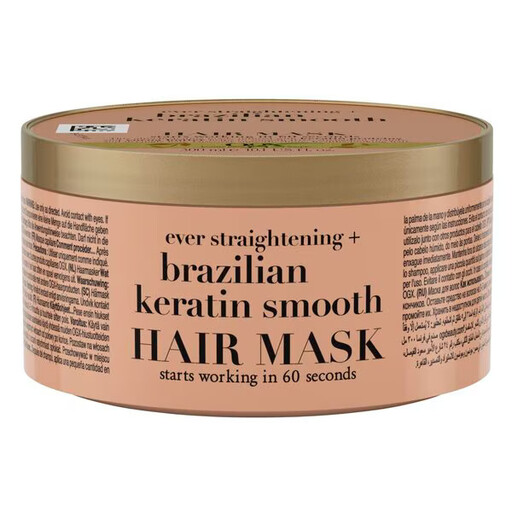
Why it suits this profile: A straightforward hair mask for anyone looking after dry or unruly hair without adding several new steps to their routine.
The instructions are easy to follow: apply to damp hair from the mid-lengths to the ends, leave on briefly and rinse out.
300 g; suitable as a conditioning treatment for the lengths of your hair.
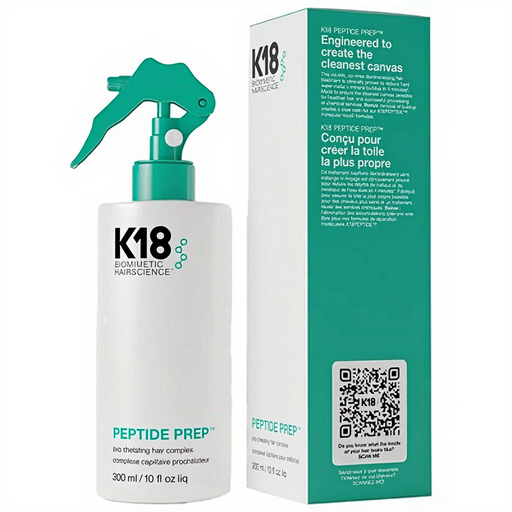
Why it suits this profile: For anyone looking to remove styling residue, mineral build-up or metal particles before a colour or hair treatment.
The product has a clearly defined purpose: chelating and deep cleansing, rather than simply promising extra shine.
300 ml salon size; according to the product information, suitable for all hair types.
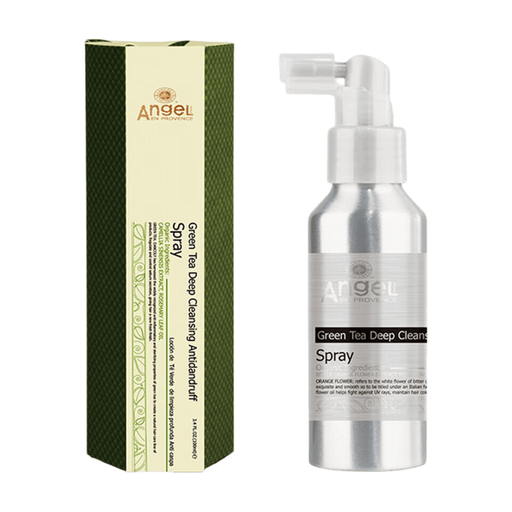
Why it suits this profile: For anyone who wants to focus on scalp cleansing and add a targeted treatment alongside their usual shampoo.
The directions specify targeted use on the scalp, massaging for three to five minutes and using once or twice a week.
100 ml concentrated essence; according to the product information, it contains green tea extract, salicylic acid and zinc PCA.
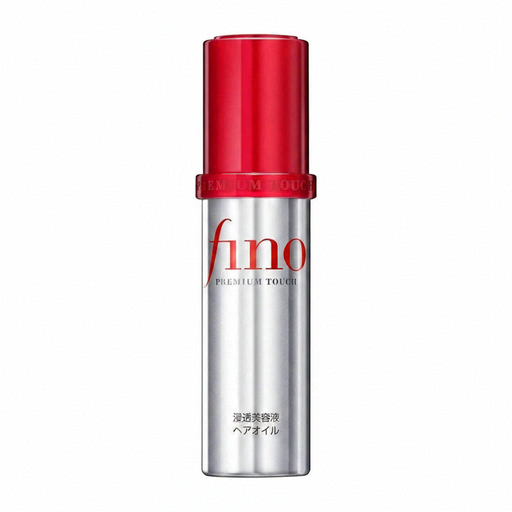
Why it suits this profile: A practical leave-in step for anyone who wants to add extra smoothness and shine after washing or styling.
The amount to use is clear: one or two pumps on the lengths and ends. This helps reduce the risk of a greasy finish from applying too much.
70 ml; according to the product information, suitable for dry, frizzy, damaged and coloured hair.
We’ve put together a complete, up-to-date list of products that meet these strict selection criteria and the applicable European safety regulations.
For many hair masks, once or twice a week is a practical starting point. Always follow the instructions for the specific product. Fine hair may feel weighed down more quickly than thick or heavily damaged hair.
Conditioner is usually applied after washing and then rinsed out. Hair serum is generally left in and used in a small amount on the lengths and ends. Serum is especially useful for smoothing, adding shine or reducing the appearance of frizz.
That depends on the size, amount used and how often you use the product. Check the expiry date and the period-after-opening symbol on the packaging. Store products in a cool, dry place away from direct sunlight. It’s best not to use products that have changed in smell, colour or texture.
