
Livraison le jour même et le lendemain

Qualité garantie

Débloquez vos offres de bienvenue: Livraison GRATUITE | Jusqu'à -80 % | 30 jours d'essai gratuits à JoyPlus
Téléchargez l'application
Dry hair, an oily scalp, frizzy lengths or not much time in the morning: the right product depends on your daily routine. Yet many people choose hair care based on a prominent claim on the packaging. This can lead to a shampoo that cleanses too deeply, a hair mask that weighs your hair down or a styling tool that isn’t suited to your hair type.
This guide will help you compare hair products and styling tools based on verifiable features, ease of use and safety.
Words such as “repair”, “shine” or “anti-frizz” don’t tell you much on their own. Check the ingredients, instructions and intended user. For example, a hair oil may make the surface of your hair feel smoother, but that doesn’t automatically mean it will permanently repair split ends.
Claims about how well a product works should also be considered in context. A brand’s own research, for instance, may show that a product reduces hair breakage by a certain percentage under specific conditions of use. So check whether the claim depends on using a conditioner, a full product range or the product regularly.
Your scalp often needs cleansing, while dry lengths may benefit from conditioner, a hair mask or a leave-in cream. Apply shampoo mainly to your scalp, and use conditioner or a mask mostly on the lengths and ends.
If you have an oily scalp, a lightweight shampoo or dry shampoo can be handy between washes. However, dry shampoo isn’t a substitute for a regular wash: it temporarily absorbs oil and refreshes your hair, but doesn’t cleanse your scalp in the same way as shampoo.
A hairdryer, hot air brush, curling tong or hair styler can save you time, but temperature and instructions matter. Don’t use a heated styling tool on wet hair if the manufacturer advises against it. A lower temperature is usually a sensible starting point for fragile or coloured hair. After curling or blow-drying, let your hair cool before brushing it further or pinning it up.
When choosing shampoo, look for:
You’ll generally use a hair mask less often than conditioner. According to the product information, Shiseido Fino Premium Touch Hair Mask is intended to be used once or twice a week instead of conditioner. The packaging also states that the product is not hypoallergenic and is not silicone-free. So it’s important to look beyond words such as “repair” or “moisture” on the front.
When comparing a hairdryer or hair styler, focus on:
Brands often associate an ionic function with less static and frizz. Treat this as a product specification, not a guaranteed result for every user.
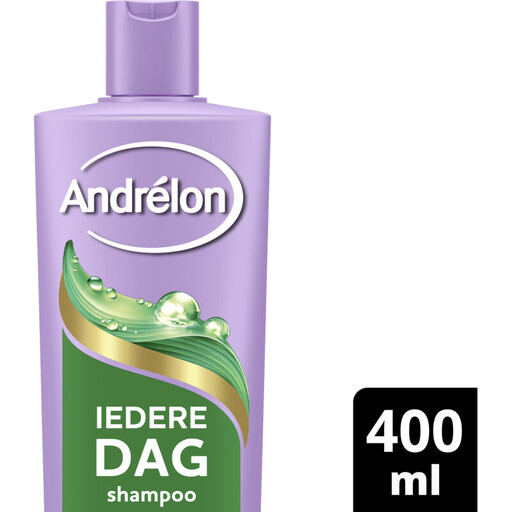
Why it suits this profile: A straightforward shampoo for adults looking for a product for everyday cleansing. The product specifications state that it’s suitable for all hair types and formulated with sunflower oil.
It’s a simple choice: 400 ml, intended for everyday cleansing and without complicated styling claims. However, check the listed fragrances and fragrance ingredients if you prefer to avoid them.
400 ml; the product description states that it’s suitable for all hair types and enriched with sunflower oil.
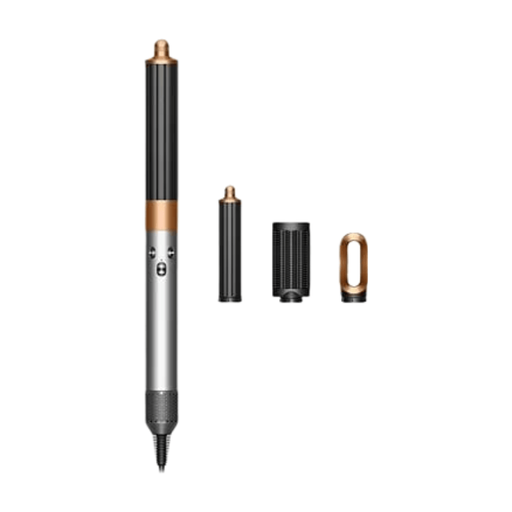
Why it suits this profile: For anyone looking for one device to dry, smooth and curl their hair, with multiple settings and attachments.
The temperature limit, three heat settings, three speed settings and cold shot are all clearly listed. The device is intended for damp hair, so don’t use it like a regular curling tong on soaking wet hair.
1300 W; 0,58 kg; includes a drying attachment, soft styling brush and 40 mm curling attachment.
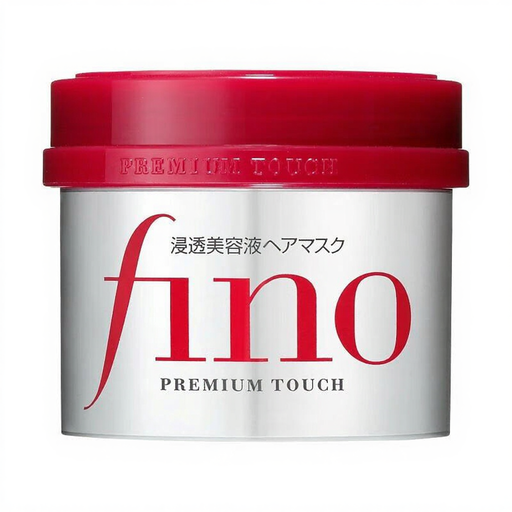
Why it suits this profile: For anyone with dry, frizzy lengths, or hair stressed by styling and colouring, who wants a weekly conditioning treatment alongside shampoo and conditioner.
The recommended frequency is clear: use once or twice a week instead of conditioner. The packaging also states that the product contains silicones and isn’t hypoallergenic.
230 g; intended for frizzy, dull hair; stated shelf life after opening: 12 months.
We’ve put together a complete, up-to-date list of products that meet these strict selection criteria and the applicable European safety regulations.
For dry or frizzy hair, a leave-in cream or hair oil can be useful after washing. Apply a small amount to the lengths and ends. According to the product information, Shiseido Fino Hair Treatment Oil is intended for dry, frizzy, damaged and coloured hair. The recommended amount is one to two pumps. It’s best to start with a small amount; too much oil can weigh down fine hair.
If you’re mainly looking for volume and smoothness, consider a hot air brush or hot air styler. A hairdryer with a concentrator nozzle is more versatile for everyday drying, while a hair styler with multiple attachments lets you create different looks. Always check the cord, voltage, temperature settings and safety instructions before ordering.
It depends on your scalp, hair type and lifestyle. Oily hair may need washing more often, while dry or curly hair may be washed less frequently. Choose a shampoo that suits your scalp and apply conditioner mainly to the lengths.
Check the packaging for the expiry date or the period-after-opening symbol, such as 6M or 12M. Keep shampoo, masks and oil sealed, in a dry place and out of direct sunlight. If the smell, colour or texture changes, it’s best to stop using the product.
Compare more than just the price per bottle: take the size and the amount needed per use into account too. A value pack with several bottles can be good value if you use the product every day. For occasional use or travel, a smaller size can help reduce waste.
