
Same-day & Next-day Delivery

Quality Guaranteed

Unlock Your Welcome Offers: FREE Delivery | Up to 80% OFF | Free 30-day JoyPlus trial
Download the APP
Many people look for hair care for hair loss, but hair loss can have several causes. Sometimes hair looks thinner because it is breaking, while in other cases a dry or flaky scalp is the main concern. A shampoo, serum or hair oil can care for your hair, but it is no substitute for medical advice if hair loss is sudden or clearly getting worse.
When comparing products, focus on the formula, what it is designed for and the evidence behind its claims. This can help you avoid paying for eye-catching packaging or promises that are not right for your situation.
Short broken hairs, split ends and lots of hair in your brush do not necessarily mean hair is falling out from the scalp. Heat, colouring, tight hairstyles and rough towel-drying can weaken the hair fibre. A hair serum for breakage, conditioner or treatment for damaged hair is mainly designed for the lengths and ends.
Dandruff, excess oil and a tight-feeling scalp do not always call for the same kind of care. An anti-dandruff shampoo may contain ingredients such as piroctone olamine, while a mild, moisturising shampoo may be a better fit for a dry scalp without visible flakes. Also check whether the product is intended for daily use.
Words such as “stimulates”, “repairs” or “prevents hair loss” need to be read in context. A brand’s own research may show certain results under specific test conditions or when using a complete routine. That is not a guarantee for every user. Cosmetic products can cleanse and condition hair, leave it feeling smoother or help reduce breakage, but claims about treating a condition should be approached with extra care.
Work out where your main concern lies:
Always check the ingredients list. Fragrance, menthol, alcohol denat. and certain cleansers may not suit everyone. Stop using the product if irritation occurs, and avoid contact with your eyes.
Piroctone olamine is found in various anti-dandruff formulas. Caffeine, ceramides, panthenol, niacinamide, peptides and hyaluronic acid are also used in hair and scalp care. The presence of an ingredient alone does not tell you how your hair will respond. Also consider the concentration, directions for use and where the product should be applied.
Shampoo is usually rinsed off after a short time. A serum, oil or leave-in treatment stays on for longer and therefore serves a different purpose. Hair oil is generally applied to the lengths and ends, rather than generously to the scalp.
A large bottle may seem like good value, but only if the formula and how you use it fit your routine. Compare the volume in millilitres, the number of applications and the recommended amount to use. A small bottle of concentrated serum may last longer than a large bottle of a more runny formula.
Supplements come with their own considerations. According to the product information, Davitamon ProAging Complex with Hyaluronic Acid contains 200 mg of hyaluronic acid per daily dose, as well as biotin, vitamin C, zinc and selenium. This is a food supplement for adults, not a replacement for a varied diet. The product is not intended as a proven treatment for hair loss. Speak to a doctor if you are pregnant, breastfeeding, have a medical condition or take medication.
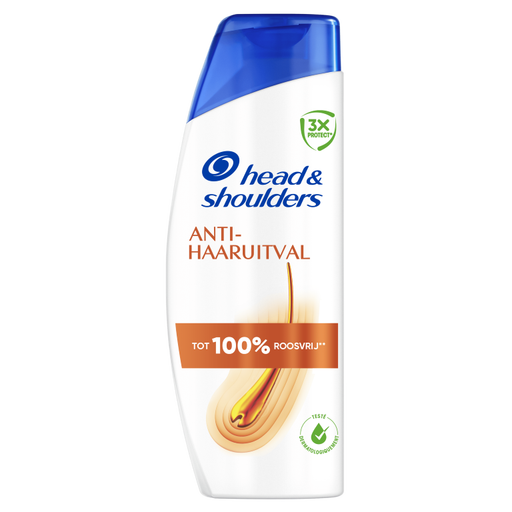
Why it suits this profile: An accessible option if dandruff, dandruff-related itching and excess oil are your main concerns.
The product information lists piroctone olamine and distinguishes between dandruff and hair breakage. According to the brand, the stated results apply when the product is used regularly.
250 ml; contains piroctone olamine and is suitable for daily use according to the product information.
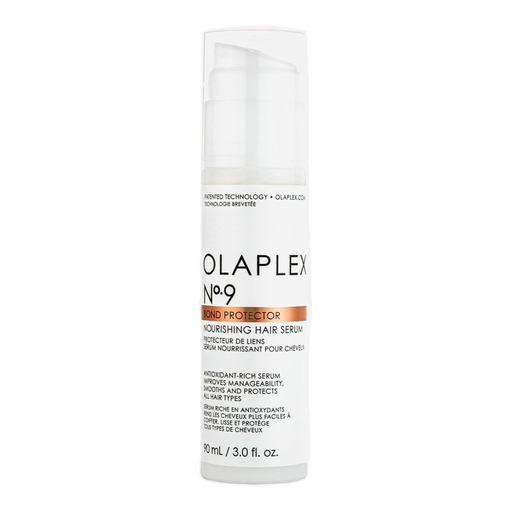
Why it suits this profile: A good fit for dry, coloured or frequently heat-styled hair that is prone to tangles, static and breakage.
This is a leave-in serum for the hair fibre, not a shampoo intended to address a scalp concern. According to the product description, it is designed to protect against heat and help reduce tangles and breakage.
90 ml; sulphate-free, paraben-free and silicone-free according to the product information; apply to towel-dried hair.
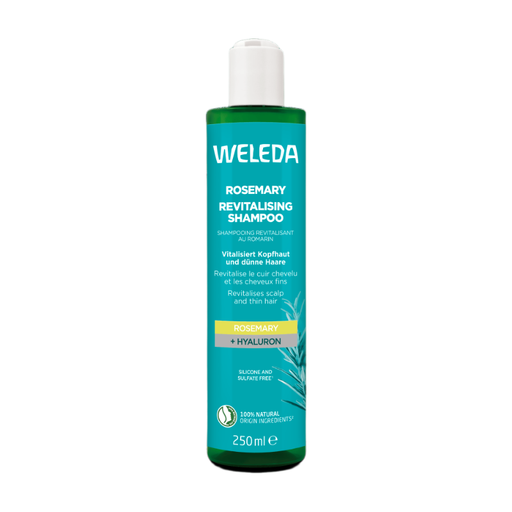
Why it suits this profile: An option for fine, limp hair where volume and moisturising hair care matter more than an anti-dandruff function.
The product description positions this shampoo as a volumising and hydrating option. So don’t expect it to replace a targeted anti-dandruff treatment.
250 ml; according to the product information, it contains hyaluronic acid and rosemary oil, and has a vegan formula that is free from silicones and sulphates.
If you develop sudden bald patches, pain, severe itching or ongoing hair loss, it is sensible to speak to your GP. A cosmetic routine is mainly suited to caring for hair affected by dryness, frizz and breakage.
We’ve put together a complete, up-to-date list of products that meet these strict selection criteria and the applicable European safety regulations.
Choose a shampoo that cleanses your hair gently, and pair it with a conditioner, hair serum for breakage or treatment for damaged hair. Shampoo alone cannot repair broken hair. Also consider how you use a hairdryer or straighteners, colour your hair and tie it back.
It depends on the formula and the directions for use. Some anti-dandruff shampoos are suitable for daily use according to the product information; others are better suited to alternate use. Follow the label and reduce use if your hair or scalp becomes dry or irritated.
It can, but use a small amount and apply it only to the lengths and ends. Too much oil at the roots can make your hair look weighed down or greasy. For fine hair, a lightweight leave-in formula is often more practical than a rich oil.
