
Vandaag of morgen in huis

Kwaliteit gegarandeerd

Welkomstaanbiedingen ontgrendelen: GRATIS bezorging | Tot 80% korting | Gratis 30 dagen JoyPlus-proefperiode
Download de app
Dry hair, frizzy ends, a sensitive scalp or hair that gets greasy quickly: the right hair care starts with your hair’s needs, not a pretty bottle. A product designed for damaged hair, for example, may be too heavy for fine hair. And a natural formula isn’t automatically suitable for sensitive skin.
As Joybuy Product Recommendation Officer, I look at product information from a practical perspective. This helps you see which features matter and which marketing claims are best treated with a degree of caution.
Words such as “repair”, “growth” and “professional treatment” sound appealing. Cosmetics can care for the hair’s surface, leave it feeling smoother or help detangle it. But they cannot literally restore damaged hair fibres to their original state.
So check what the product information actually says:
For example, results based on a brand’s own research or product information may apply only in specific circumstances, such as when using a complete product range. Don’t treat this information as a guarantee for every hair type.
An anti-dandruff shampoo is designed for a different need from a gentle shampoo for children. Fragrances, menthol, essential oils and certain preservatives may also be less suitable for some people.
If you have a sensitive scalp, always check the full ingredients list. Stop using the product if irritation occurs. Persistent symptoms, severe itching or noticeable hair loss shouldn’t be treated with cosmetics alone; speak to a doctor if needed.
An elaborate routine with shampoo, conditioner, hair mask, hair oil, leave-in conditioner and styling product can weigh your hair down. It’s better to start with a simple routine:
For dry or damaged hair, a conditioner, hair mask or bond-building hair treatment could be a good choice. Look for caring ingredients such as glycerine, oils, fatty alcohols, silicones or proteins. No ingredient is ideal for everyone: proteins may work well for fragile hair, while a rich formula can weigh fine hair down.
For frizzy hair, a leave-in conditioner, hair serum or hair oil can help make it easier to comb and leave it feeling smoother. Apply a small amount mainly to the lengths and ends.
For fine or thinning hair, it’s important to distinguish between cosmetic care and medical results. A product may, according to a brand’s own research, help hair look fuller or reduce breakage. But that doesn’t automatically mean it treats hair loss.
A large bottle may seem like better value, but it’s less practical if the formula doesn’t suit you. So compare:
You’ll usually use a hair mask less often than a conditioner. A mini size can be handy for travelling or for trying out a formula first.
“Silicone-free”, “sulphate-free”, “vegan” and “natural hair care” describe different features. On their own, they don’t mean that a product is better or gentler. Always check whether the claim appears on the product packaging or in the official product information.
For products for babies and children, a gentle formula, clear age information and safe use are important. Keep hair care products out of children’s reach and avoid contact with the eyes.
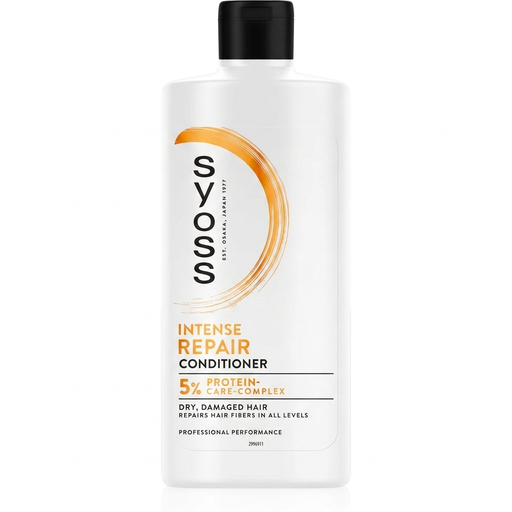
Why it suits this profile: A generous bottle for anyone looking for a straightforward conditioner for damaged hair and wanting to build a regular routine.
The product information clearly states the size, how long to leave it on and the ingredients. This lets you check the price per amount and the formula in advance.
440 ml size; designed for damaged hair; recommended leave-on time of 2 to 3 minutes.
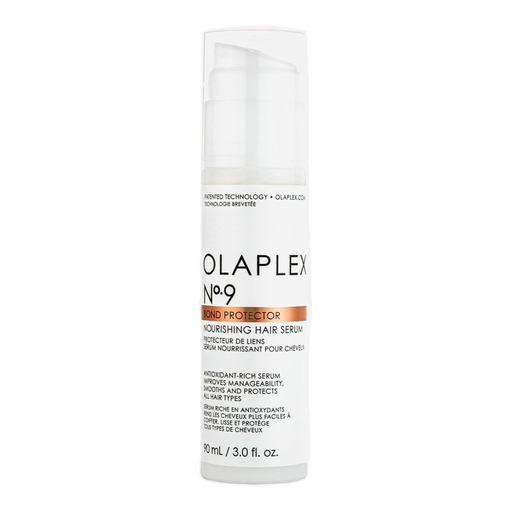
Why it suits this profile: A good fit for anyone looking to protect their hair from heat and everyday environmental factors, and who values a lightweight serum texture.
The directions recommend using a small amount on towel-dried hair. This helps prevent using too much and leaving hair feeling heavy.
Sulphate- and silicone-free formula according to the product information; designed to protect against heat and help reduce tangles.
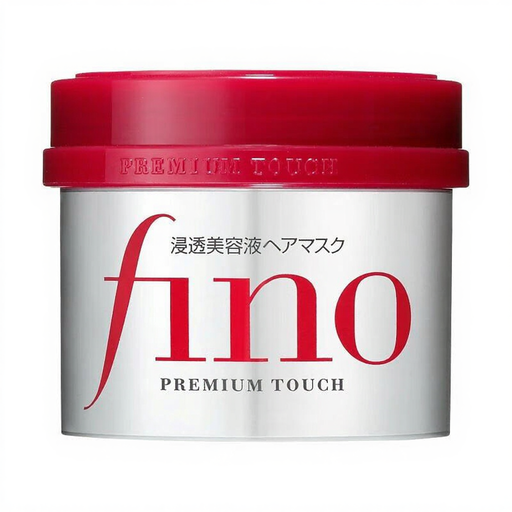
Why it suits this profile: For dry, frizzy or damaged hair that needs a more intensive weekly treatment.
The directions recommend using it once or twice a week instead of conditioner. This helps prevent a rich mask from being used every day.
230 g size; designed for frizzy and dull hair; pH-neutral and dermatologically tested according to the product details.
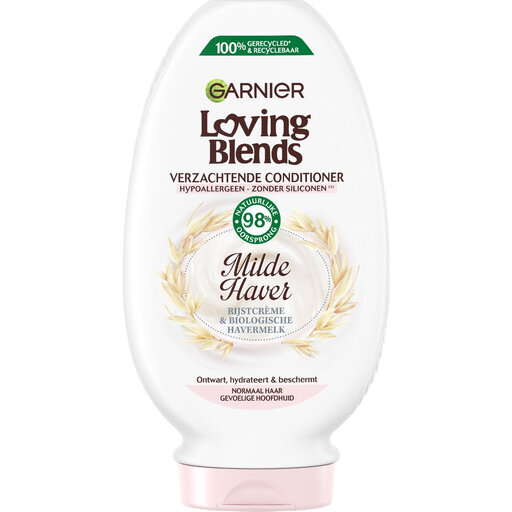
Why it suits this profile: An option for normal hair and a sensitive scalp, when detangling and softening are the main priorities.
The product information explains that it is intended for sensitive scalps, and lists the ingredients and safety warnings. Always check the packaging yourself for any updates.
250 ml size; silicone-free formula; 97% ingredients of natural origin according to the product description.
We’ve put together a complete, up-to-date list of products that meet these strict selection criteria and current European safety regulations.
It depends on your scalp, hair type and daily activities. Wash your hair when it feels greasy or dirty, and use conditioner mainly on the lengths and ends. A hair mask is usually an additional step, for example once or twice a week.
Follow the jar symbol on the packaging, such as 12M for twelve months after opening. Store products in a cool, dry place, close the packaging properly and don’t use a product if its smell, colour or texture has clearly changed.
A shampoo, hair serum or hair growth treatment can make hair look cosmetically fuller or help reduce breakage. A brand’s own research may cite specific results, but these won’t necessarily apply to every user. If hair loss is sudden or persistent, it’s wiser to seek medical advice than to keep adding more cosmetic products.
