
Vandaag of morgen in huis

Kwaliteit gegarandeerd

Welkomstaanbiedingen ontgrendelen: GRATIS bezorging | Tot 80% korting | Gratis 30 dagen JoyPlus-proefperiode
Download de app
Dry ends, frizz or colour that quickly loses its vibrancy: effective hair care starts not with the most expensive product, but with a formula suited to your hair and the occasion. A conditioner for coloured hair, for example, serves a different purpose from a hair oil for dry ends. A leave-in conditioner and a hair mask are not automatically interchangeable either.
As a Joybuy Product Recommendation Officer, I filter product information based on practical criteria. This helps you identify which properties can be verified and which marketing claims should be viewed with a degree of caution.
Terms such as “repairs damaged hair” or “repairs split ends” may sound definitive, but hair fibres do not recover in the same way as skin or other living tissue. A product can temporarily make hair feel smoother, softer or easier to manage. According to a brand’s own research or claims, a formula may also help limit damage, but results vary depending on hair structure and use.
Pay close attention to the product’s function: conditioning, detangling, shine, styling, frizz control or heat protection. Do not expect medical effects, and do not use hair products as a treatment for hair loss or scalp problems.
Hair oil is concentrated. A few drops may be enough for the lengths and ends, while a larger amount can make fine hair look limp or greasy. The ideal quantity also varies considerably, especially for curly and porous hair.
Start with a small amount and add more only if necessary. In most cases, do not apply oil to the scalp unless the product instructions explicitly recommend it.
A hair serum or oil may make hair feel smoother and, according to the product description, form a protective layer. That does not automatically mean the product is suitable as complete heat protection for hair at high temperatures., for example, states that the Peptide 132 Hair Bonding Oil Serum is not a substitute for a dedicated heat-protection spray.
When using a hairdryer, straightener or curling iron, choose the lowest practical temperature and check whether the product is explicitly intended for use with heat. Use a heated styling tool only on dry hair when instructed to do so in the manual.
A conditioner is generally rinsed out after a few minutes. A leave-in conditioner, hair serum and hair oil remain in the hair. This distinction affects how much product you need and how often you use it.
Examples from the range:
Always check the latest ingredients list on the packaging. Manufacturers may update their formulas. If you are sensitive to fragrance ingredients such as limonene, linalool or other allergens, pay close attention to their presence. Lucovitaal Hair Vitamin for Colored Hair, for example, states that the product contains milk and soy.
Claims such as “natural”, “vegan” or “dermatologically tested” are only meaningful when clearly substantiated on the product page or packaging. A natural product is not automatically suitable for every hair type.
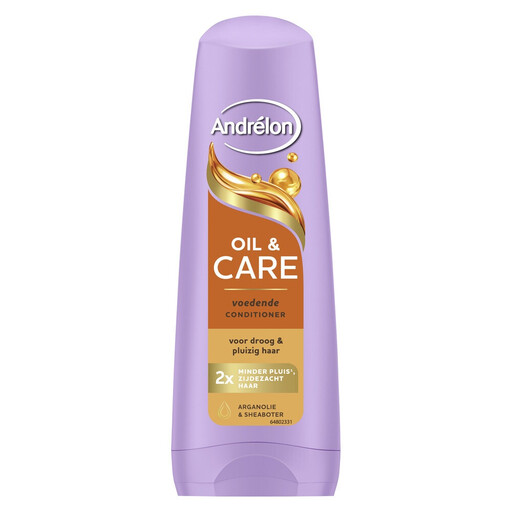
Why This Fits Their Persona: A straightforward rinse-out conditioner for adults with dry or frizzy hair who want to keep their daily routine affordable.
The instructions clearly state that the product should be rinsed out. This prevents accidental use as a leave-in and reduces the risk of hair feeling weighed down.
200 ml; the ingredients list includes argan oil, shea butter and glycerine.
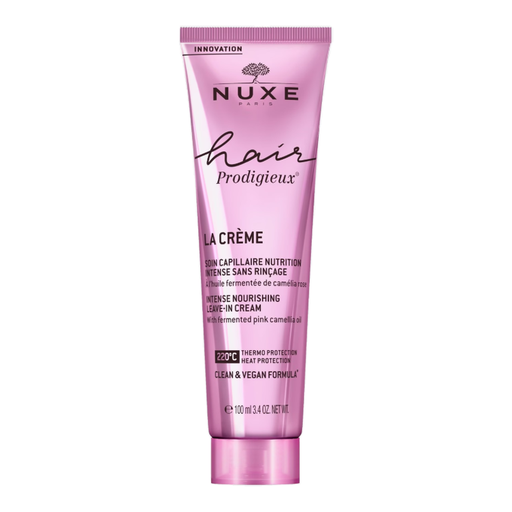
Why This Fits Their Persona: Ideal for anyone who wants to detangle hair quickly after washing and achieve a soft, glossy finish without a separate rinse.
The product description explicitly identifies it as a lightweight leave-in formula. Still, apply sparingly, particularly to fine hair.
100 ml; according to the product information, it contains botanical oils such as camellia, argan and almond oil.
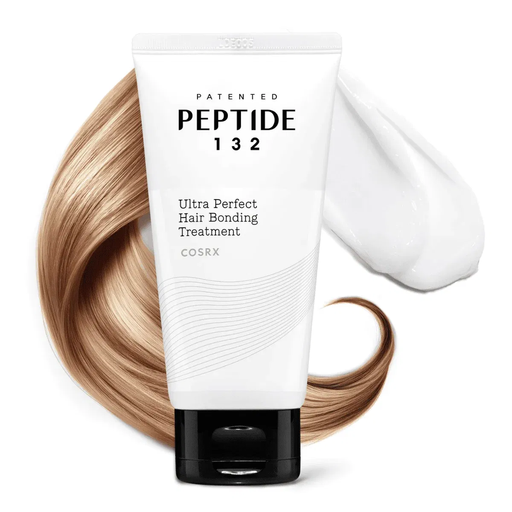
Why This Fits Their Persona: A rinse-out hair treatment for dry, brittle or heat-stressed hair, offering an extra conditioning step alongside shampoo and conditioner.
It is clearly a rinse-out treatment, not a daily oil. The manufacturer recommends applying it to the lengths and ends, then rinsing thoroughly.
120 ml; the ingredients list includes ceramides, oils, panthenol and peptide-132.
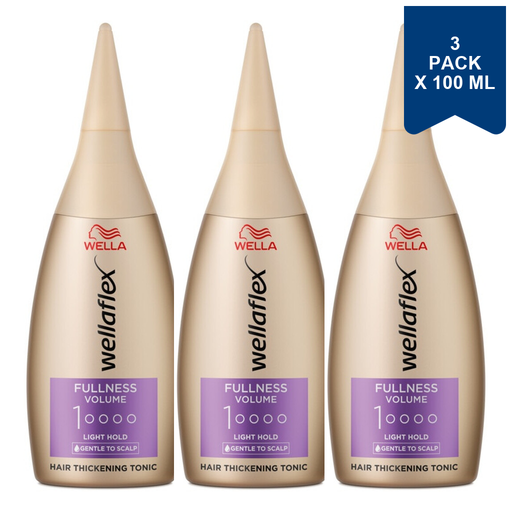
Why This Fits Their Persona: Designed for fine hair, where a rich oil or heavy cream can quickly feel like too much.
The instructions direct you to apply the product to damp hair and mention blow-drying or air-drying. If using heat, still check your separate heat-protection product.
100 ml per bottle; according to the product description, a lightweight tonic with a vegan formula and UV protection.
We have compiled a complete, real-time list of products that fully satisfy these strict selection criteria and UK safety regulations.
A simple hair care routine can consist of three steps:
For curly hair, a lightweight leave-in cream can help define the curl pattern. According to the product information, the Andrélon Perfect Curl Light Leave-in Conditioner is silicone-free and intended for curly hair. For coloured, blonde or grey hair, the Andrelon Silver Care Conditioner may be a more targeted choice; the product description mentions conditioning and neutralising unwanted yellow or brassy tones.
This depends on the condition and thickness of your hair. Start once a week and see how your hair responds. Fine hair can feel weighed down more quickly, while thick, curly or very dry hair may benefit from a richer treatment. Always follow the processing time stated on the packaging.
Yes, provided the formula and quantity are suitable. Preferably use one to a few drops on the lengths and ends. For fine hair, a lightweight hair serum or leave-in conditioner may be more practical than a rich natural hair oil.
Check the expiry information and the open-jar symbol indicating the period after opening on the packaging. Products with a pump dispenser or sealed capsule are generally better protected from air and contact with hands than a jar that is opened frequently. Store hair care products in a cool, dry place away from direct sunlight.
