
Vandaag of morgen in huis

Kwaliteit gegarandeerd

Welkomstaanbiedingen ontgrendelen: GRATIS bezorging | Tot 80% korting | Gratis 30 dagen JoyPlus-proefperiode
Download de app
Dry hair, frizzy lengths or dull hair don’t automatically call for a cupboard full of products. The right hair care starts with identifying your hair concern and checking the product information. Hair oil works differently from hair serum, while a hair mask isn’t a substitute for heat protection.
Words such as “repair”, “reconstruction” and “professional shine” sound appealing, but they don’t always tell you how a product will work on your hair. Cosmetic products can make the hair’s surface feel smoother, help detangle it or give it more shine temporarily. That’s different from permanently repairing a damaged hair fibre.
So check:
According to ghd’s own product information, the Bodyguard formula for fine and thin hair protects against heat up to 230 °C. Treat this as a product specification from the brand, not a guarantee that styling is risk-free.
A rich hair oil or intensive hair mask can feel great on dry, thick hair, but it may make fine hair look weighed down or greasy. So apply oil and serum mainly to the lengths and ends. Start with one pump or a small amount, and only add more if needed.
Hairspray is mainly for hold. Conditioner helps detangle and soften your hair. A hair mask is usually more intensive than a daily conditioner, while a heat protection product is intended for use before blow-drying, curling or straightening. So one product doesn’t need to do everything.
Choose a routine based on your main concern:
The ingredients list is on the packaging and may be updated with different product versions. For example, look out for:
Always check claims such as “vegan”, “sulphate-free” or “paraben-free” against the current packaging. Product information may change.
Compare more than just the price: check the size and how much you’ll use, too. A 400 ml hairspray will last differently from a 90 ml serum. Also check the shelf life, the period after opening and the instructions on the packaging.
With sprays, how you apply them matters. Spraying an even mist from a distance helps prevent too much product building up in one spot. With conditioners and masks, the amount you use and how long you leave them in are key to ease of use.
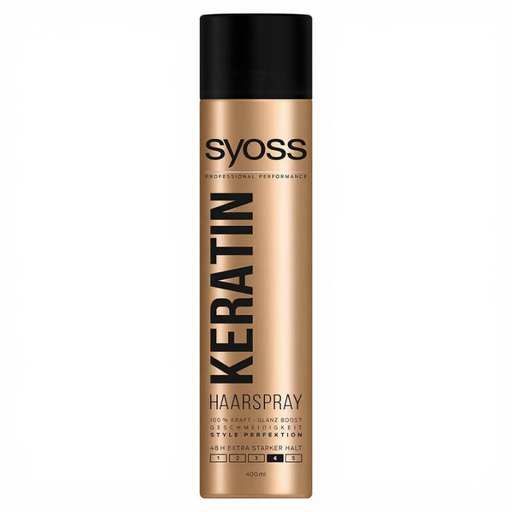
Why it suits this profile: A practical choice if you’re mainly looking for styling and hold, without buying several hair care products straight away. The product information states that it provides strong hold for all hair types.
Its purpose is clearly defined: this is hairspray for styling, not a substitute for conditioner, hair serum or heat protection.
It comes in a 400 ml size and offers strong hold, according to the product description. Check the label for the latest ingredients and instructions for use.
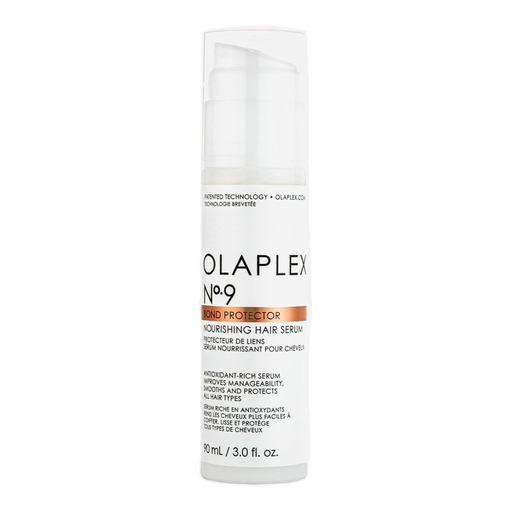
Why it suits this profile: This leave-in hair serum is a good fit if you’re looking for a lightweight step before styling. According to the product description, it’s designed to protect against heat and help reduce tangles, static and hair breakage.
The instructions recommend using a small amount on towel-dried hair. This makes it easier to adjust the amount to suit fine, normal or thick hair.
At 90 ml, this product is sulphate-free and silicone-free according to the supplied product specifications, and is suitable for all hair types.
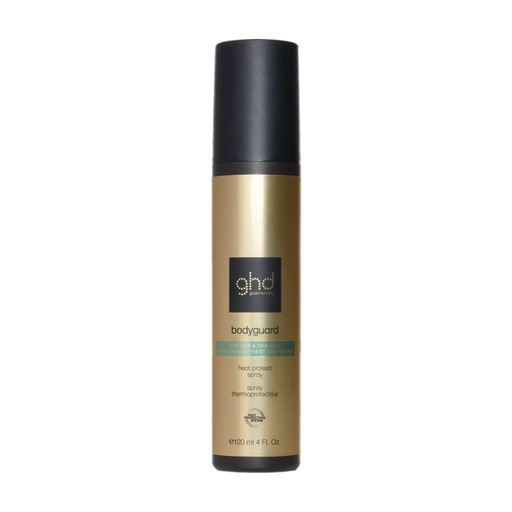
Why it suits this profile: Designed for people with fine or thin hair who regularly blow-dry, curl or straighten it. The product information describes the formula as lightweight and non-greasy.
The product is specifically labelled for fine and thin hair. This reduces the chance of using a heavy oil that leaves hair looking flat.
It comes in a 120 ml size and offers heat protection up to 230 °C, as stated by ghd. Follow the latest packaging and instructions for use.
We’ve put together a complete, up-to-date list of products that meet these strict selection criteria and the applicable European safety regulations.
Start with a gentle shampoo, then apply conditioner to the lengths and ends. Add a hair mask once or twice a week if your hair feels particularly dry, coloured or damaged. Before using heat to style your hair, apply a product specifically designed for heat protection. You can then use a little hair oil or hair serum for added softness or shine.
Don’t start by using all the products at once. This makes it easier to see which ones suit you and helps avoid unnecessary spending. If you experience irritation, an allergic reaction or persistent scalp problems, stop using the product and seek advice from a doctor or pharmacist if needed.
It depends on your hair type and the instructions for use. Once or twice a week may suit dry, thick or damaged hair. Fine hair often needs less product. Use a mask instead of conditioner if the label recommends it.
No. Hair oil often consists mainly of oils and is designed to nourish hair and add softness and shine. A hair serum may have a lighter formula and is often used to tackle frizz, tangles or static. Always check the ingredients and recommended use.
Check the shelf-life information and the period-after-opening symbol on the packaging. Keep products tightly closed, out of direct sunlight and in line with the manufacturer’s instructions. Shelf life varies depending on the formula and packaging.
