
Vandaag of morgen in huis

Kwaliteit gegarandeerd

Welkomstaanbiedingen ontgrendelen: GRATIS bezorging | Tot 80% korting | Gratis 30 dagen JoyPlus-proefperiode
Download de app
Dry hair, an oily scalp, dandruff or a lack of volume don’t automatically call for an expensive product. Yet hair care is often sold with big promises. A shampoo for hair loss, for example, may primarily cleanse and make hair appear fuller, while a hair growth treatment remains a cosmetic care product. The right choice therefore starts with your hair’s needs, the ingredients and the usage instructions.
Words like “repair”, “growth” and “stronger hair” sound clear, but their meaning varies from brand to brand. According to a brand’s own research, a product might show a certain percentage of improvement under specific conditions. That result is not automatically the same for every user.
When looking at a shampoo for hair loss and a hair growth treatment, pay attention to the difference between:
If you experience sudden or severe hair loss, simply switching to a different care product is not enough.
A vegan hair care product contains no ingredients of animal origin, but that doesn’t automatically say anything about how it works on your hair. Even a formula with a high proportion of naturally derived ingredients can contain perfume or allergens. Always check the current ingredients list on the packaging.
A 1,500 ml bottle may seem good value, but it’s less practical if you regularly switch products or use only a small amount of shampoo. A smaller pack is handy for trying out a formula first. Alongside the price, also consider the volume, how often you’ll use it and how much you need per wash.
Shampoo is mainly intended to cleanse the scalp and hair roots. Conditioner, hair mask and hair oil are usually used on the lengths and ends. With an oily scalp, a nourishing mask on the roots can make hair feel heavy. For dry or damaged hair, conditioning products for the lengths are more beneficial.
If you consciously choose a sulphate-free shampoo, you need to check the ingredients list and not just read the front of the packaging. Sulphates can cleanse effectively, but some users find a milder formula more comfortable for a sensitive or dry scalp.
Examples from the range:
None of these features alone determines whether a product is right for you. Your hair texture, styling routine and scalp condition remain important.
Gently massage shampoo into the scalp and rinse thoroughly. A product intended for daily use doesn’t have to be used daily by everyone. Stop if irritation occurs and avoid contact with the eyes.
With hair vitamins and biotin for hair, dosage and warnings are especially important. The Lucovitaal Hair Vitamin Gummies contain, according to the product information, biotin and zinc among other ingredients. The recommended dosage is two gummies per day. The Lucovitaal Biotin 10,000 mcg Forte contains, according to the label, 10,000 micrograms of biotin per lozenge; the manufacturer warns that biotin can affect certain blood test results. Discuss supplements with a doctor if you are pregnant, breastfeeding, taking medication or have a medical condition.
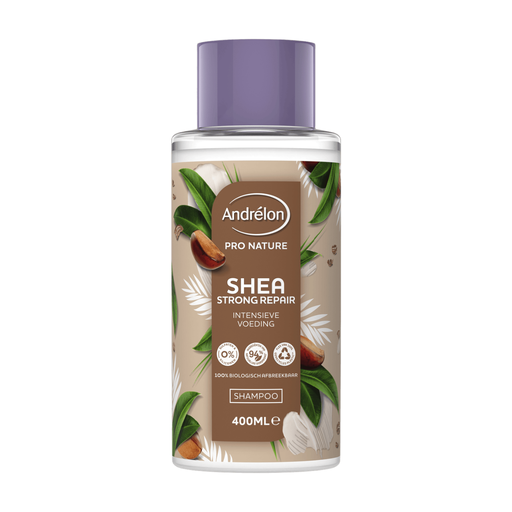
Why this fits the profile: An accessible shampoo for adults looking for a nourishing basic routine for dry or damaged hair.
The product information states 0% sulphates and silicones. Do check the current packaging and ingredients list at the time of purchase.
400 ml content, shea butter in the formula, vegan according to the product details and 94% naturally derived ingredients according to the brand claim.
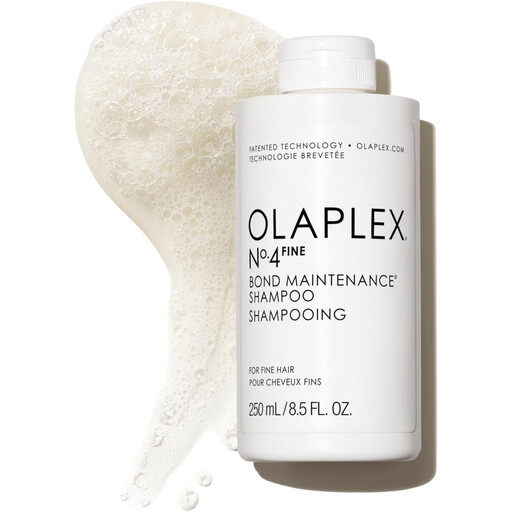
Why this fits the profile: Suitable for those who want targeted care for fine hair, chemically treated hair or hair with styling damage.
The product description states the formula is vegan, colour-safe and suitable for chemically treated hair. It is not a medical treatment for hair loss.
250 ml pack, vegan according to the product information and designed for gentle cleansing, volume and protection against breakage.
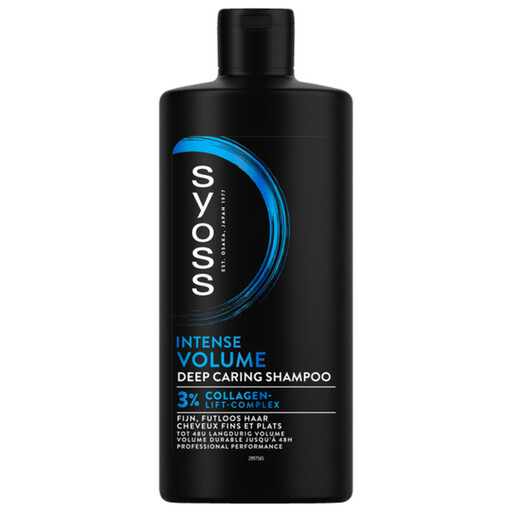
Why this fits the profile: For fine or limp hair where volume is more important than an intensely nourishing finish.
The formula states 0% silicones, so the hair is less likely to be weighed down, according to the product description. The promised volume remains a brand claim, not a guarantee.
440 ml content, vegan according to the product information and suitable for fine or flat hair.
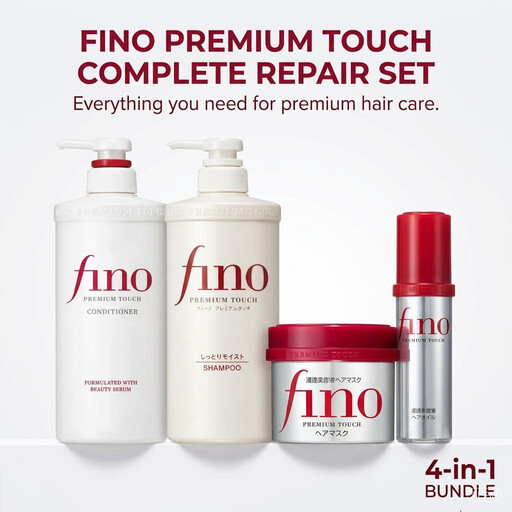
Why this fits the profile: A complete routine for users who want to combine shampoo, conditioner, hair mask and hair oil in one set.
The set makes the steps clear: cleanse, condition, weekly mask and apply oil. Use oil mainly on lengths and ends to avoid a heavy root area.
Four products in one routine: shampoo, conditioner, hair mask and treatment oil, according to the product description aimed at dry and damaged lengths.
We’ve put together a full, up-to-date list of products that fully meet these strict selection criteria and current European safety regulations.
Choose a shampoo that cleanses the scalp without unnecessarily weighing down the hair lengths. A product for an oily scalp may contain ingredients aimed at excess sebum or a fresh feeling. The Roy Hair Strength Expert Care Shampoo for Oily Scalp states ginseng extract and daily use in the product information. According to the brand description, the formula helps reduce excess sebum; this is not a guarantee for every user.
A shampoo can cleanse the scalp and make hair feel cosmetically fuller or stronger. That is different from treating the cause of hair loss. Even with a hair growth treatment, you need to read the product claims carefully. For persistent, sudden or noticeable hair loss, medical advice is wiser than continually buying new products.
Use conditioner after washing, typically on the lengths and ends. A hair mask is often more concentrated and can be used, for example, once a week, depending on the product instructions and your hair texture. Fine hair can become heavy more quickly; dry, curly or damaged hair may tolerate more conditioning. Start with a small amount and adjust the frequency based on the results.
