
Vandaag of morgen in huis

Kwaliteit gegarandeerd

Welkomstaanbiedingen ontgrendelen: GRATIS bezorging | Tot 80% korting | Gratis 30 dagen JoyPlus-proefperiode
Download de app
Dry, frizzy, bleached or coloured hair doesn't automatically call for an expensive product. The right choice mainly depends on your hair's condition, its texture, and how often you wash or style it. With this practical approach, you can compare hair care for damaged hair by ingredients, usage, volume and price.
Words like "repair", "bond building" and "reconstruction" sound convincing, but they don't always tell you what your hair actually needs. A conditioner can make the hair surface feel smoother and help with detangling. That's quite different from permanently repairing split ends.
So, check the following:
For example: according to Olaplex's own research, the No.5 Fine conditioner provides a volume boost and less breakage when used as a system with the corresponding shampoo. That's a brand claim, not a guarantee for every user.
A hair mask for dry hair often has a richer formula than a standard conditioner. On fine hair, daily use can make it feel heavy or limp. For thick, curly or heavily treated hair, a mask may actually be a better fit for your needs.
Pay attention to the usage instructions. Many masks are intended for once or twice a week, whereas a conditioner can usually be applied after every wash.
A large pack may seem good value, but you should also compare how much product you need per use. A concentrated conditioner can last longer than a larger, less concentrated formula. Also check:
A conditioner for damaged hair is mainly practical for daily maintenance. Look for ingredients like glycerine, fatty alcohols, nourishing oils, panthenol or hydrolysed proteins. These ingredients can help create a softer feel, better detangling and less frizz.
A hydrating conditioner isn't always the right choice for fine hair. For a fine hair texture, look for words like "lightweight", "weightless" or "volumising". For thick or curly hair, the formula can generally be richer.
A hair mask for dry hair should be applied to the lengths and ends, not routinely to the scalp. Pay attention to the leave-in time and the recommended frequency. The Tsubaki Premium Repair Hair Mask (180 g), for example, recommends a usage of five to ten minutes, once or twice a week. The ingredients list includes glycerine, dimethicone, camellia seed oil and soy protein.
Product descriptions may use terms like "deep repair". See this as a description of the intended care; it is not a medical or permanent repair claim.
Leave-in hair care stays in the hair and is handy when you want to detangle quickly, limit frizz or add extra shine. Apply a small amount to towel-dried hair and focus on the lengths and ends.
A repairing hair oil can make the hair feel smoother, but too much oil will make fine hair greasy or heavy in particular. Start with one drop or one pump. Also check warnings about use near heat, eyes and open flames. With fragranced formulas, the scent can be a concern for sensitive users.
For hair care for coloured hair, colour-safe and sulphate-free options are relevant for some users. That doesn't mean every product without sulphates automatically works better. Also consider your washing frequency, the heat from styling tools and your hair's porosity.
An Olaplex conditioner like No.5 Bond Maintenance Conditioner 250 ml is described in the product details as suitable for all hair types, including bleached and coloured hair. The listed features include vegan, colour-safe and dermatologically tested. Always check the current ingredients list on the packaging before purchasing.

Why this fits the profile: The bottle contains 440 ml and is designed for damaged hair and all hair types. The usage advice is simple: leave on for two to three minutes, then rinse out.
The volume and usage are clearly stated, so you don't have to rely solely on a general repair claim.
440 ml, conditioner for damaged hair, contains hydrolysed keratin and soy proteins.
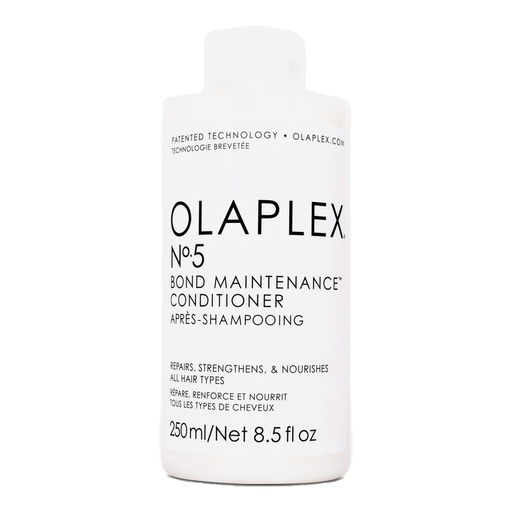
Why this fits the profile: This conditioner is focused on intensive hydration and, according to the product details, is used for all hair textures, including coloured and bleached hair.
The product information lists concrete features such as 250 ml, colour-safe, vegan and suitable for chemically treated hair.
250 ml, cream formula, listed as colour-safe and dermatologically tested.

Why this fits the profile: This mask is intended for dry, damaged, coloured and chemically treated hair and suits a weekly intensive routine.
The usage advice of once to twice a week helps prevent you from using a rich mask daily.
180 g, with camellia seed oil and soy protein; according to the product information, sulphate- and paraben-free.
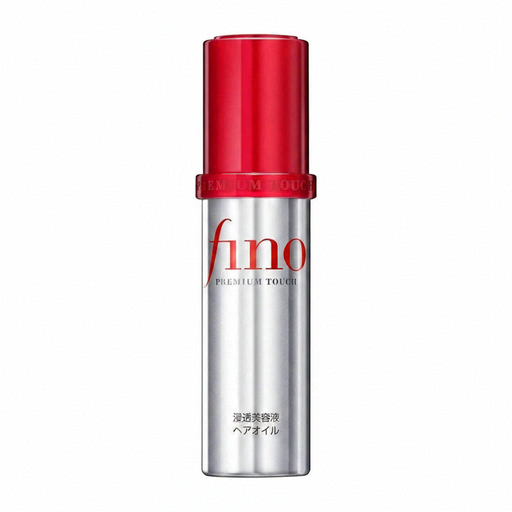
Why this fits the profile: The oil is intended for dry, frizzy, damaged and coloured hair and can be used on towel-dried or dry hair.
The dosage advice of one to two pumps makes it easier to avoid over-application and a heavy feel.
70 ml, with argan oil, vitamin E and squalane according to the product description; suitable for daily use.
We've put together a full, up-to-date list of products that fully meet these strict selection criteria and comply with current European safety regulations.
Start with once a week and see how your hair responds. For thick, porous or chemically treated hair, twice a week may be suitable. Fine hair can become heavy more quickly; in that case, alternate with a lighter conditioner.
Not necessarily. A conditioner is rinsed out and mainly helps with softness and detangling. Leave-in hair care stays in and is handy for frizz, styling and extra care between washes. You can use both, but be sparing with a leave-in product.
That depends on the volume, frequency and amount used per application. A 440 ml conditioner will generally last longer with regular use than a 200 ml tube, but a concentrated formula may require less product per use. Check the packaging for the shelf life and the period after opening.
