
Vandaag of morgen in huis

Kwaliteit gegarandeerd

Welkomstaanbiedingen ontgrendelen: GRATIS bezorging | Tot 80% korting | Gratis 30 dagen JoyPlus-proefperiode
Download de app
Dry, frizzy or brittle hair does not automatically require the most expensive product. When choosing hair care for dry and damaged hair, the main considerations are the type of damage, your hair type and how often you want to use the product. Coloured, bleached, curly and fine hair also have different needs.
The product description on the packaging can sometimes sound more convincing than the specifications justify. So keep an eye out for these common pitfalls.
A hair oil for frizz can make the hair surface feel smoother and add shine. However, oil does not automatically replace a conditioner or hair mask for damaged hair. If you use only oil on very dry hair, you may mainly experience a temporarily smoother feel while your hair still needs a nourishing treatment.
Rich formulas containing silicones, oils or fatty conditioners can work well for thick, porous hair. On fine hair, however, they can make it feel limp or weighed down more quickly. Check whether the product is specifically suitable for fine hair, or start with a small amount on the lengths and ends.
Terms such as “bond repair”, “salon quality” and “repair” do not always describe a measurable result for every user. According to the manufacturer's or seller's product description, such products may care for the hair fibre, make it feel smoother or help reduce visible dryness. That is different from permanently repairing split ends. Split ends may look cosmetically improved, but severely worn ends should be trimmed.
For fine, dry hair, a lightweight emulsion is often more practical than a very rich mask. According to the product information, the Milbon Elujuda Graceon Emulsion (Pink) 120g is offered for dry and fine hair and contains, among other things, baobab oil. The instructions recommend applying it to the ends when the hair is around 70% dry.
For thick, coarse, coloured or chemically treated hair, a richer conditioner or weekly mask may be a better fit. Pay attention to the product category: a conditioner for dry hair is generally intended for more regular use, while a hair mask is often used as a more intensive step.
A mask does not always need to be used every day. According to the product information, the 230 ml Shiseido Fino Premium Touch Hair Mask is recommended as a replacement for conditioner, once or twice a week. The TSUBAKI Premium Repair Hair Mask also states that it should be used weekly.
A leave-in hair treatment or oil, on the other hand, can be applied to towel-dried or dry hair. Use a small amount and concentrate on the lengths and ends. This helps reduce the chance of a greasy finish at the roots.
If you are looking for a bond repair hair treatment, you can check the technology and ingredients listed, but brand claims should be treated as claims made by the brand. According to Olaplex's product description, No. 5 Bond Maintenance Conditioner contains bis-aminopropyl diglycol dimaleate and is intended to hydrate and care for different hair types. The product information also states that it is suitable for coloured and bleached hair.
Also check for fragrances, silicones, sulphates and allergens if you are sensitive to them. The formula may be changed by the manufacturer, so always use the ingredients list on the packaging for the most up-to-date information.
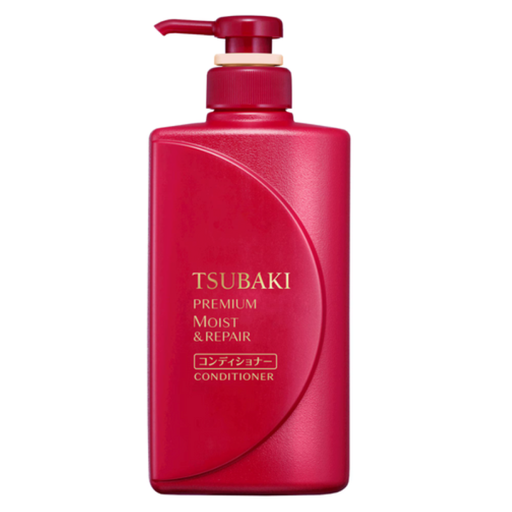
Why it suits this profile: The generous-size pack is intended for daily use and all hair types. The cream formula is a good choice if you are looking for a simple care step for dry, frizzy hair.
The instructions recommend applying it to the lengths and ends and leaving it on briefly. This makes it easier to control the amount than with a very heavy treatment that needs to be left on for a long time.
430 ml or 490 ml, depending on the version supplied; according to the product description, intended to hydrate and soften hair and help it feel less frizzy.
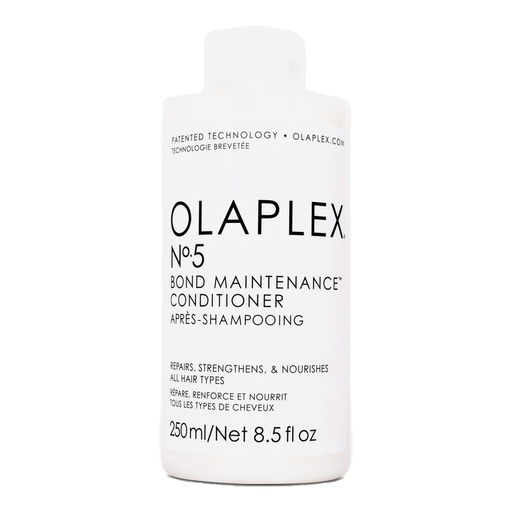
Why it suits this profile: According to the product information, this conditioner is suitable for all hair types, including coloured and bleached hair, and fits easily into a regular post-wash routine.
The product information clearly states the type, volume and intended use. The term bond maintenance is linked to a conditioner, not to permanently repairing hair ends.
250 ml; cream formula; according to the product information, designed to hydrate and care for hair, add shine and suit coloured hair.
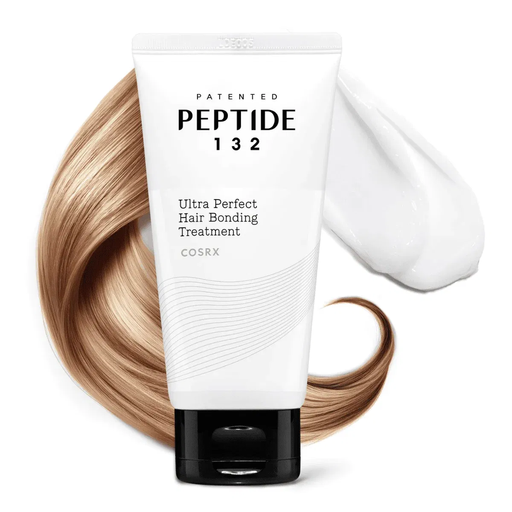
Why it suits this profile: This treatment is intended for intensive care after washing and, according to the product description, targets dry, brittle and damaged hair.
The instructions are specific: apply to the mid-lengths and ends, then rinse thoroughly. This avoids unnecessarily weighing down the scalp with a rich treatment.
120 ml; according to the ingredients list, contains glycerine, oils, peptides, ceramides and hyaluronic acid compounds, among other ingredients.
We have put together a complete, up-to-date list of products that fully meet these strict selection criteria and the applicable European safety regulations.
Start with once a week. For very dry or chemically treated hair, twice a week may be suitable, depending on the instructions on the packaging. If your hair becomes limp or greasy quickly, use less product or reduce the frequency.
A conditioner cares for the hair during washing and helps make it easier to comb. Oil mainly works as a finishing product to add shine and help hair feel less frizzy. For intensive hydration, you can combine both: use conditioner or a mask as the base, then apply one or two drops of oil to the ends.
The effect of a conditioner, mask or serum is usually temporary and is mainly noticeable for as long as you use the product. The product's shelf life is stated on the packaging. Stop using it if irritation occurs and avoid contact with the eyes; always follow the manufacturer's safety instructions.
