
Vandaag of morgen in huis

Kwaliteit gegarandeerd

Welkomstaanbiedingen ontgrendelen: GRATIS bezorging | Tot 80% korting | Gratis 30 dagen JoyPlus-proefperiode
Download de app
Dry, frizzy or brittle hair does not automatically require an entire shelf full of products. The right choice depends on the cause of the problem, your hair type and how often you wash or style your hair. With this guide to hair care for dry and damaged hair, you can compare masks, conditioners, oils and treatments based on practical criteria.
Terms such as hair repair, bond repair treatment and keratin hair care may sound convincing, but they do not tell you much on their own. So check the product type, ingredients list and instructions for use. A conditioner mainly works during washing, while a leave-in conditioner or hair oil stays in your hair for longer.
Claims about repair, strengthening or protection come from the brand and should not be interpreted as a guarantee for every hair type. A brand’s own research may show that certain results can be measured under specific conditions. In practice, results may vary.
A heavy hair mask or oil can make dry hair feel smoother, but it can also leave fine hair limp. Pay attention to the amount you use and generally apply an intensive mask once or twice a week. For daily use, a lightweight conditioner or a small amount of leave-in product is often more practical.
Silicones, fragrance, sulphates and preservatives are not automatically good or bad. It depends on your preferences and how your hair or skin reacts. If you want to avoid a particular substance, check the current INCI list on the packaging. Also look out for warnings such as avoiding contact with the eyes and stopping use if irritation occurs.
Dry hair often needs moisturising ingredients such as glycerine, panthenol or oils. Damaged or chemically treated hair may also benefit from conditioners containing proteins or ingredients that, according to the brand, support the hair structure. Colour-safe formulas are relevant for coloured hair.
Also check whether a product contains silicones, sulphates, fragrance or allergens. The presence of dimethicone or amodimethicone can make hair feel smoother, but these ingredients do not suit every hair-care routine. If you want to avoid silicones, check the product information carefully.
Do not compare only the price of a jar or bottle; consider the contents as well. A 230-gram jar may offer better value when used weekly, while a 250 ml bottle may be more convenient for a regular washing routine. Check the shelf life after opening, for example 12 months if this is stated on the packaging.
Apply products to the lengths and ends unless the packaging says otherwise. A small amount of hair oil is often enough. Using too much product can cause build-up, leaving hair feeling heavy or looking dull.

Why it suits this profile: A generous-sized bottle for anyone who wants to add a simple conditioner to their routine without buying several treatments straight away. The instructions recommend leaving it on for two to three minutes.
The product information clearly states the 440 ml contents and when to use it. This makes it easier to estimate dosage and usage than with a product that makes only general repair claims.
440 ml contents; formula with hydrolysed keratin and soya protein according to the ingredients list.

Why it suits this profile: This hair mask is designed for dry, frizzy and damaged hair and, according to the product information, is used once or twice a week instead of conditioner.
It is not an everyday conditioner that may feel too rich. The clearly stated frequency helps prevent overuse.
230 grams; contains, among other ingredients, sorbitol, dimethicone and amodimethicone according to the ingredients list.
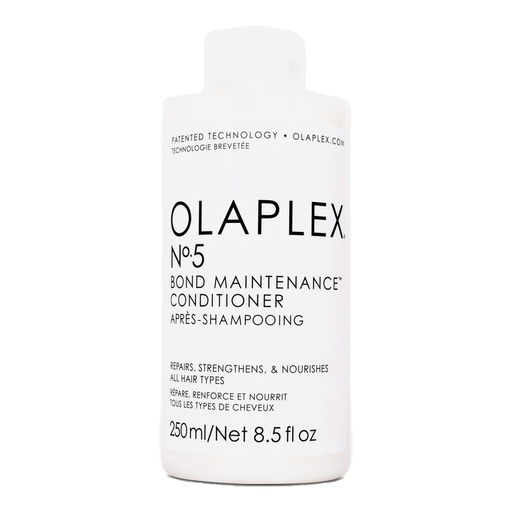
Why it suits this profile: A conditioner for adults with coloured, bleached or chemically treated hair who want to establish a regular routine with a dedicated bond-maintenance product.
The product information clearly states that it is a conditioner, gives the contents as 250 ml and confirms its suitability for coloured hair. This makes it easier to compare than a vague, standalone treatment.
250 ml contents; vegan, colour-safe and sulphate-free according to the product specifications.
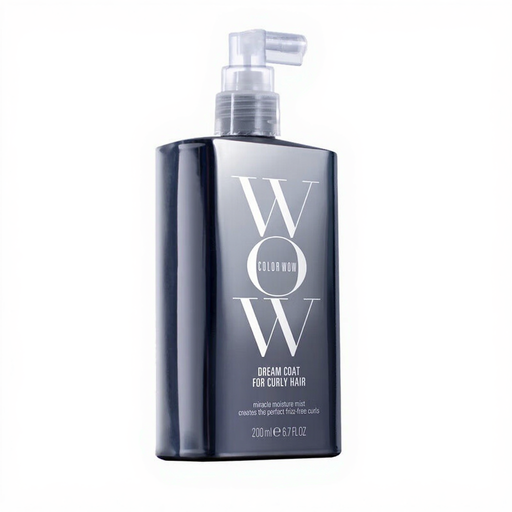
Why it suits this profile: A leave-in anti-frizz hair product for people with curls who want to style their hair after washing and who, according to the instructions, can use heat activation.
The instructions state that the product should be applied generously to damp hair and combed through. This makes it clear that it is for styling after washing, not a rinse-out mask.
200 ml contents; anti-frizz and shine spray; alcohol-free according to the product information.
Do not combine several intensive products straight away. Start with one new step so you can see how your hair reacts. If your hair is coloured or chemically treated, it is sensible to follow the product information and the brand’s recommended routine.
We have compiled a complete, up-to-date list of products that fully meet these strict selection criteria and the applicable European safety regulations.
Once or twice a week is usually a practical starting point. Always follow the label. Fine hair may feel weighed down more quickly, while thick or heavily treated hair may sometimes need more conditioning.
Hair oil can make hair feel smoother and temporarily reduce visible frizz. This does not guarantee that damaged ends will be repaired. Apply one or two pumps to the lengths and ends, and avoid using too much.
Check the date and symbol on the packaging. If it says, for example, “12M”, this generally refers to the period after opening. Store products in a cool, dry place away from direct sunlight, and close jars and bottles securely.
