
Vandaag of morgen in huis

Kwaliteit gegarandeerd

Welkomstaanbiedingen ontgrendelen: GRATIS bezorging | Tot 80% korting | Gratis 30 dagen JoyPlus-proefperiode
Download de app
Dry, damaged or frizzy hair doesn't automatically mean you need a whole shelf full of products. The right choice depends on your hair type, the degree of dryness and your daily routine. If you only look out for words like "repair", "keratin" or "intensive nourishment", you could easily buy a product that is too heavy, doesn't provide enough care, or isn't suitable for coloured hair.
As a Joybuy Product Recommendation Officer, I filter product information based on practical points: ingredients, usage, target audience and verifiable specifications. This way, you can compare hair oil, hair serum, hair mask and conditioner for damaged hair without relying solely on marketing claims.
Words like "repair", "reconstruction" and "protection" can mean different things. A conditioner can temporarily make the hair surface feel smoother, while a hair mask mainly provides extra nourishment and softness. According to a brand's own research, results may have been measured under specific conditions. Always check the instructions for use and product details.
Hair oil and hair serum can add shine and reduce frizz, but using a generous amount can weigh down fine or thin hair. Start with one drop or one pump and apply the product mainly to the lengths and ends. Avoid the scalp if the product information doesn't recommend it.
Curly hair often needs a different texture than fine, straight hair. A rich hair mask formula can suit dry, thick or chemically treated hair, but can reduce volume in fine hair. For curls, a leave-in conditioner or anti-frizz hair product is often more practical than a heavy serum that needs to be rinsed out.
A leave-in product stays in the hair and is suitable for care during styling or for a smooth finish. A serum, hair oil or leave-in conditioner is usually used in a small amount on towel-dried or dry hair.
A conditioner, hair mask or deep conditioner is typically applied after washing and then rinsed out. Pay attention to the recommended treatment time. The L'Oréal Absolut Repair Gold Conditioner, for example, states a treatment time of two to three minutes, while some masks recommend five to ten minutes.
Look at the ingredients list rather than just the front of the packaging. Glycerine, panthenol, oils and conditioning agents are often used for a softer feel and better detangling. Keratin or hydrolysed proteins can be interesting for dry or treated hair, but suitability depends on your own hair structure.
If you want to avoid silicones or sulphates, you need to check this per product. According to the product information, Olaplex No. 5 is described as vegan, colour-safe, sulphate-free and suitable for chemically treated hair. That doesn't say anything about any other product in the same category.
A 25 ml pack is handy for trying out or taking with you, while 200 to 550 ml can be more logical for regular use. You usually use a hair mask less often than a conditioner. So don't just compare the price per pack, but also the amount you need per use.
Also check for warnings. These products are for external use only. Avoid contact with the eyes and stop if irritation occurs. Products with perfume or fragrance allergens such as limonene and linalool are not suitable for everyone; check the ingredients list on the packaging for this.
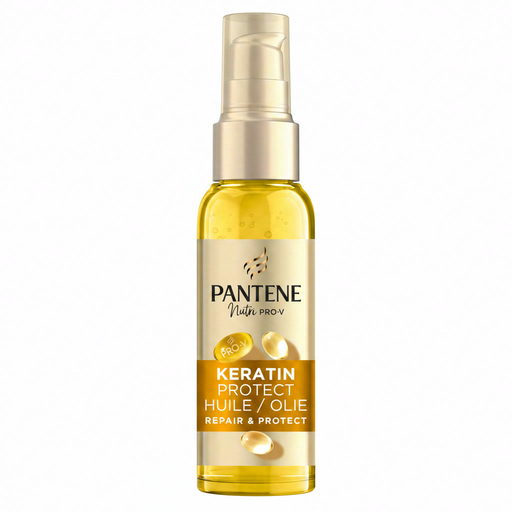
Why this fits the profile: A leave-in hair oil with 100 ml content for anyone looking for a simple finishing step. According to the product information, you apply one drop to wet or dry hair, mainly on the ends.
The dosage instruction limits the risk of using too much oil. The ingredients list includes dimethiconol, panthenol and vitamin E-like components.
Leave-in use; suitable for damaged hair; 100 ml content; paraben-free formula according to the product details.
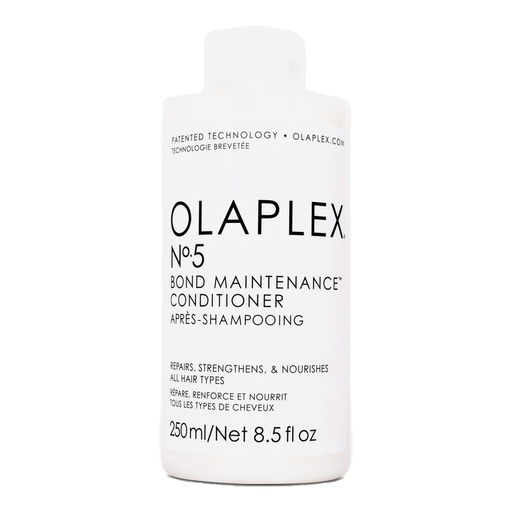
Why this fits the profile: This conditioner is intended for all hair types and is mentioned in the product details for use on, among others, bleached and coloured hair.
The product information specifies use after washing and mentions a cream formula. This makes it clear that it is a rinse-out conditioner, not a hair serum.
250 ml content; vegan and colour-safe according to the product details; intended for hydration and care.
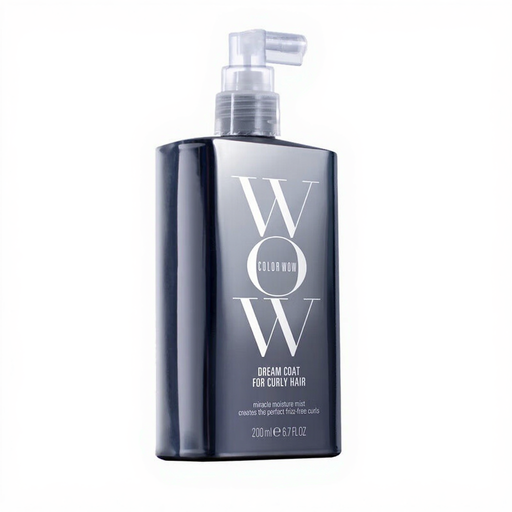
Why this fits the profile: Targeted at hair care for curls. According to the product description, the spray is applied to damp hair and heat can support the effect, according to the brand.
The application is specifically described for curls and frizz control. Do check whether you are willing to spray the product evenly and comb it through.
200 ml content; anti-frizz and shine spray according to the product details; alcohol-free according to the stated specifications.
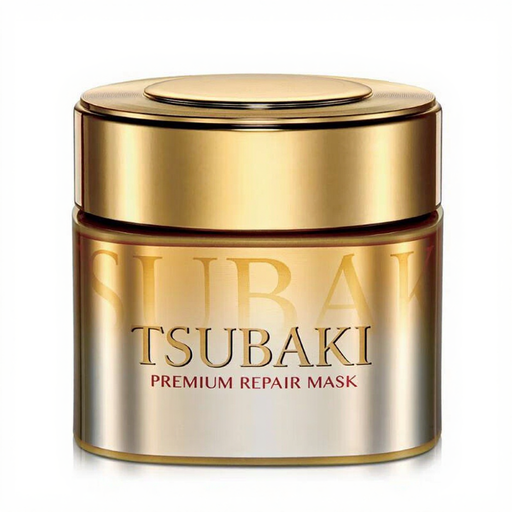
Why this fits the profile: A rich hair mask for dry, damaged, coloured or chemically treated hair. The product information advises using it once to twice a week.
The frequency of use prevents you from using an intensive formula daily. The product details also mention a sulphate and paraben-free formula.
180 grams content; intended for hydration and care; contains camellia oil and protein components according to the product information.
We've put together a full, up-to-date list of products that fully meet these strict selection criteria and comply with current European safety regulations.
Start with a shampoo that your scalp and hair lengths tolerate well. Then use a conditioner for damaged hair on the lengths and ends. Add a hair mask once or twice a week if your hair feels extra dry or porous. A small amount of hair oil, hair serum or leave-in conditioner can finish off the routine.
That depends on the formula and your hair structure. Rich masks are often used once to twice a week; always follow the label. Fine hair can become heavy more quickly, while thick, curly or chemically treated hair sometimes needs extra care more often.
Look for the mention colour-safe, the washing routine and the ingredients list. Olaplex No. 5 is listed as colour-safe according to the product details. That doesn't mean that every product with keratin, oil or protein is automatically suitable for coloured hair. Always check the current packaging and instructions for use.
