
Livraison le jour même et le lendemain

Qualité garantie

Débloquez vos offres de bienvenue: Livraison GRATUITE | Jusqu'à -80 % | 30 jours d'essai gratuits à JoyPlus
Téléchargez l'application
Dry, frizzy or damaged hair doesn’t automatically call for the most expensive product. A good choice starts with your hair type, the extent of the damage and how you use the product. If you only go by words like “intensive repair” or “instant shine”, you could end up spending money on a formula that makes hair feel temporarily smooth but doesn’t work well for fine or coloured hair.
In this guide, you’ll learn what to look for in hair care for dry and damaged hair, which product format fits your routine and which popular choices suit different user profiles.
Oils, silicones and butters can make hair feel smoother. However, with fine hair, a conditioner or hair oil that’s too rich can leave it looking limp. So don’t just look for “intensive hydration hair” – also consider the application: is the product meant for the lengths and ends, or for the scalp too?
Words like “repair”, “protection” and “up to twice less frizz” are product claims. According to the product description of Andrélon, the Oil & Care conditioner can reduce frizz by up to half; this isn’t a universal result for every hair type. So check the ingredients, volume and usage instructions rather than just the front of the packaging.
A conditioner for dry hair is usually intended for regular use after washing. A hair mask is often richer and used less frequently. Too much product or leaving it on for too long can make hair heavy. Follow the instructions on the packaging and apply the product mainly from the mid-lengths to the ends.
Choose the formula based on your routine:
You generally use a leave-in product in a small amount. Distribute it through towel-dried or dry hair and avoid the roots if you’re prone to a greasy or flat feeling.
With hair products containing argan oil, coconut oil or other oils, the overall formula matters more than one standout ingredient.
No single ingredient automatically makes a product suitable for everyone. Also pay attention to the texture, dosage and the hair problem you want to address.
Compare the volume in millilitres or grams with how often you use the product. A 230 ml pot might seem good value, but a small amount per treatment means usage matters more than just the pack size.
With hair care for coloured hair, it’s wise to check whether colour retention is explicitly stated in the product specifications. The product information for Olaplex No. 5 states that the conditioner is suitable for coloured and bleached hair and is labelled as colour-safe. Always check the current packaging, ingredients and warnings.
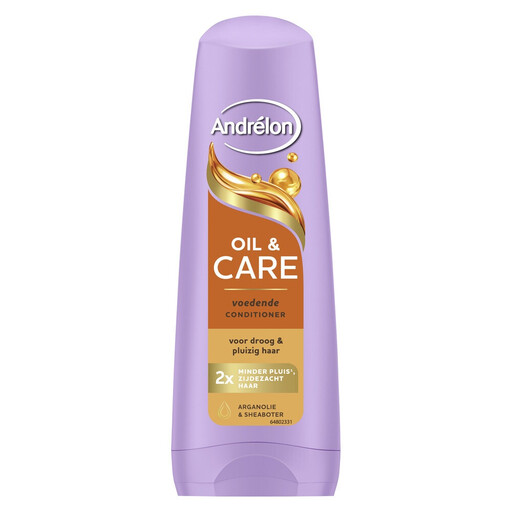
Why this suits the profile: A rinse-out conditioner of 200 ml for adults with dry and frizzy hair who are looking for a simple daily routine.
The instructions are clear: apply to the lengths, leave in briefly and rinse out. This prevents overuse at the roots.
According to the ingredients list, it contains coconut oil, argan oil and shea butter. The volume is 200 ml and the formula is vegan and paraben-free according to the product specifications.
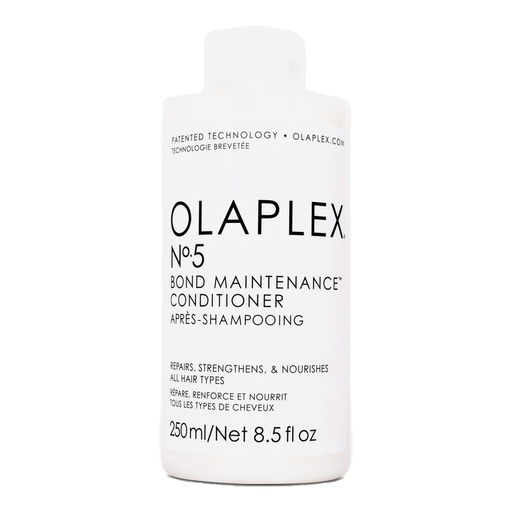
Why this suits the profile: Aimed at those looking for a conditioner for dry, damaged, bleached or coloured hair and considering a complete care routine.
The product specifications explicitly state suitability for coloured and bleached hair and a volume of 250 ml. Do check whether the texture works for fine hair.
According to the product information, the conditioner is vegan, sulphate-free, paraben-free and colour-safe. The application focuses on hydration and hair repair.
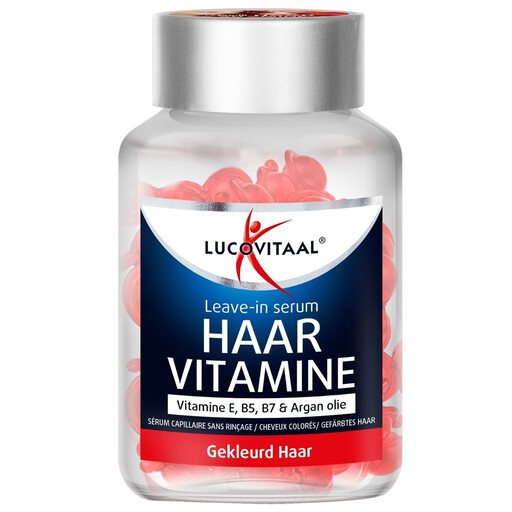
Why this suits the profile: Handy for anyone wanting to care for coloured, dry or frizzy hair on the go or after styling with a leave-in serum.
The softgels help keep the dosage small. The instructions state use on dry or damp hair, only over the lengths and ends.
The pack contains 25 twist-off softgels. According to the product details, the serum is leave-in, paraben-free and suitable for coloured, dry and damaged hair.
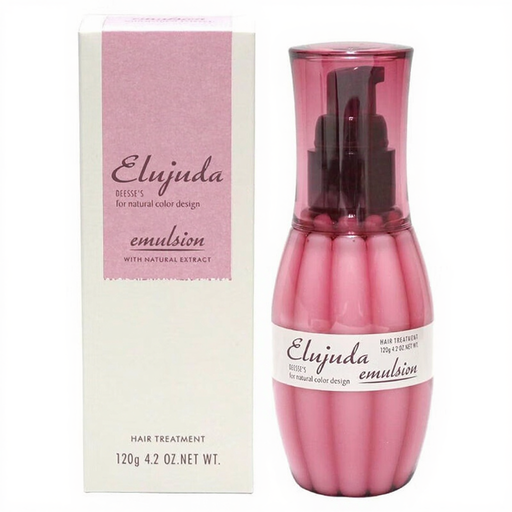
Why this suits the profile: The product specification explicitly mentions dry and fine hair. The emulsion is used on hair that is about 70% dry and mainly on the ends.
The targeted application on the ends reduces the chance of fine hair feeling heavy at the roots.
The volume is 120 g. According to the product information, the formula contains macadamia oil, ceramides and keratin ingredients, among others.
If irritation occurs, stop using the product. Avoid contact with eyes and check the packaging for allergens, shelf life and safety information.
We’ve put together a full, up-to-date list of products that fully meet these strict selection criteria and comply with current European safety regulations.
A combination of conditioner, a weekly hair mask and a small amount of hair oil or leave-in serum can work for dry and frizzy hair. The result depends on your hair structure and the amount you use. Start with a small amount and apply it only to the mid-lengths and ends.
This varies per formula. Many masks are intended for once or twice a week. A rich mask can weigh fine hair down more quickly, while chemically treated or very dry hair may sometimes need extra care more often. Always follow the packaging.
It can be, as long as the product information supports this and the oil is used on the mid-lengths and ends. Also check whether there is a colour retention or colour safety claim. A hair oil doesn’t automatically replace a conditioner or mask.
