
Vandaag of morgen in huis

Kwaliteit gegarandeerd

Welkomstaanbiedingen ontgrendelen: GRATIS bezorging | Tot 80% korting | Gratis 30 dagen JoyPlus-proefperiode
Download de app
Dry, frizzy or brittle hair does not automatically require an entire shelf of products. Even so, it can be difficult to decide whether you need a hair oil, hair serum, leave-in conditioner, hair mask or regular conditioner. Packaging often promises “repair”, “intensive nourishment” or heat protection, but such terms do not always explain how the product fits into your routine.
As a Joybuy Product Recommendation Officer, I filter the most important product information in a practical way. This helps you see which features are relevant and which purchasing pitfalls are best avoided.
Hair oil can add shine and make the hair surface feel smoother. However, oil does not necessarily add moisture. On dry hair, oil often works best as a finishing step after using a conditioner, hair mask or leave-in product. If you use too much, fine hair can look weighed down or greasy.
Damaged hair may look smoother and stronger after using conditioning ingredients, but split ends cannot be permanently repaired by a cosmetic product. A hair mask or serum can temporarily improve their appearance; trimming remains the practical solution for split ends.
Also look out for claims such as “repairs from within” or “reconnects keratin bonds”. These are statements made by brands. According to the brand’s own research, such effects may be reported, but they are not automatically a universal guarantee for every hair type.
A formula containing oils, silicones, glycerine or proteins may sound appealing, but how you apply it also affects the result. A rinse-out conditioner is different from a leave-in conditioner. Always check whether the product should be used on wet, towel-dried or dry hair, and whether it needs to be rinsed out.
Start by choosing according to your routine:
If you have curly or wavy hair, you may benefit from a leave-in product that does not need to be rinsed out. It is best applied in small amounts so that your curls do not become limp.
For hydrating hair care, you will often see glycerine, panthenol, sorbitol or hyaluronic acid-like ingredients. Oils such as argan oil, jojoba oil, macadamia oil and almond oil can make the hair feel softer and help support shine.
Proteins and keratin-like ingredients are often found in products for damaged or brittle hair. They can temporarily make the hair feel stronger. If your hair feels coarse or dry, it is sensible to alternate these products with a nourishing or hydrating formula.
Silicones are not automatically a disadvantage. Ingredients such as dimethicone or amodimethicone can help with smoothness, detangling and anti-frizz hair care. If you prefer to avoid silicones, check the ingredients list; product claims such as “natural” do not always tell you enough about the complete formula.
Compare the quantity with how often you plan to use the product. A 230g tub is practical for a weekly treatment, while capsules or small tubes are useful for keeping the dosage limited or taking the product with you.
Also check:
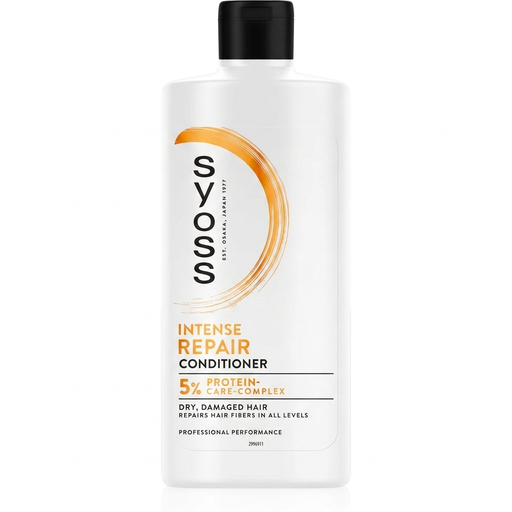
Why it suits this profile: The 440 ml bottle is suitable for people who use conditioner regularly and want a simple basic routine for damaged hair.
It is clearly a rinse-out conditioner, not an oil or leave-in product. The instructions state a processing time of two to three minutes.
440 ml quantity; formula with glycerine, hydrolysed keratin and soya protein according to the product information.
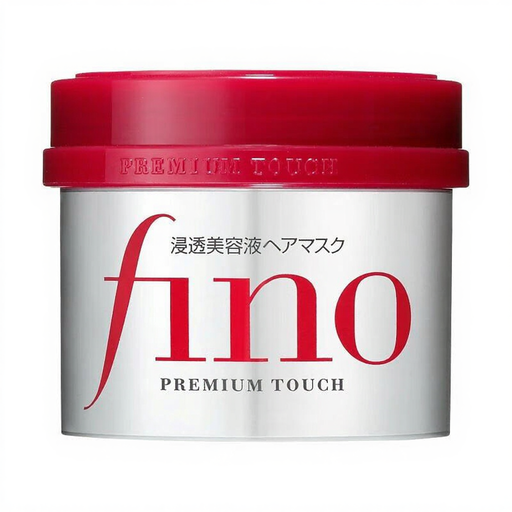
Why it suits this profile: A weekly treatment is ideal for dry, dull or frizzy hair that needs more care than a daily conditioner provides.
The instructions recommend using it instead of conditioner once or twice a week. This helps prevent overuse.
230g quantity; designed for dry, damaged and frizzy hair; 12M period after opening according to the product details.
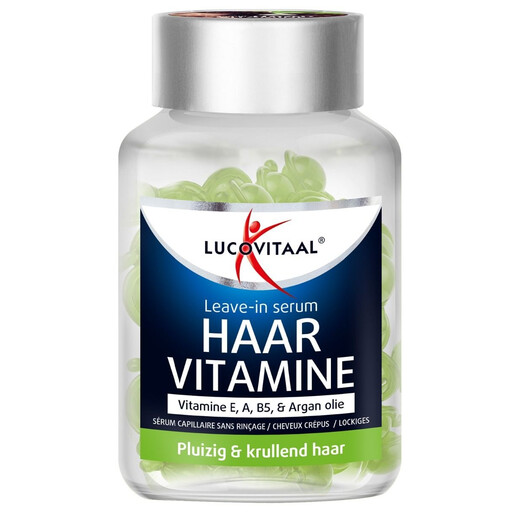
Why it suits this profile: The leave-in formula is designed for curly, wavy and frizzy hair and can be used on towel-dried or dry hair.
The capsules allow you to use a small amount. The product does not need to be rinsed out, keeping your routine simple.
25 twist-off softgels; ingredients list including macadamia, camellia, coconut, almond and argan oils.
For curly hair care, it is usually more helpful to add moisture and slip first with a conditioner or leave-in conditioner. An oil or serum can then help the surface feel smoother. If you have coloured hair, it is sensible to check the product information and ingredients list to make sure they suit your routine.
We have put together a complete, up-to-date list of products that fully meet these strict selection criteria and the applicable European safety regulations.
For many hair types, once a week is a practical starting point. On fine hair, a mask can weigh it down more quickly; use less product and apply it only to the ends. Always follow the instructions for specific products.
Hair oil can temporarily make split ends look smoother and reduce frizz. However, a split end cannot be permanently fused back together. Regular trims are still necessary if you want to limit further splitting.
Hair oil generally consists mainly of oils and is designed to provide nourishment, shine and a softer feel. Alongside oils, a hair serum may also contain silicones, vitamins or other conditioning ingredients, and is often designed to smooth, detangle or reduce frizz. Above all, look at the ingredients, dosage and the intended time of use.
