
Vandaag of morgen in huis

Kwaliteit gegarandeerd

Welkomstaanbiedingen ontgrendelen: GRATIS bezorging | Tot 80% korting | Gratis 30 dagen JoyPlus-proefperiode
Download de app
Dry, dull, frizzy or porous hair does not automatically require an entire shelf full of products. The right combination depends on your hair structure, porosity, styling routine and the extent of the damage. With this guide to hair care for dry and damaged hair, you can compare shampoos, conditioners, hair oil, hair serum and leave-in products based on practical considerations.
A product can make the hair surface feel smoother, giving it more shine. That does not automatically mean that damaged hair fibres have been permanently repaired. Claims such as “repairs” or “strengthens” often come from the brand’s product communications. The brand’s own research may mention specific results, but these will not necessarily be the same for every user.
So pay attention to what a product actually does: detangling, conditioning, smoothing, hydrating or protecting against heat. These are clearer functional benefits than a general promise of healthy-looking hair.
Hair oil and hair serum can make dry lengths look smoother, but a generous amount can leave fine hair limp or greasy. This is particularly tempting with porous hair, where you may feel inclined to keep applying more. Start with one or two drops or pumps, and work the product only through the lengths and ends.
Glycolic acid, keratin, peptides, argan oil and vitamin complexes may sound appealing, but the full ingredients list tells you more. Also check the texture, fragrances, silicones, preservatives and any allergens. The ingredients list on the packaging is the definitive source, as formulations may be changed.
Hydrating hair products often contain ingredients such as glycerine, panthenol or certain conditioning agents. A conditioner for damaged hair also makes the hair easier to comb through and can reduce friction while brushing.
A hair serum, hair oil or leave-in conditioner remains in the hair after washing. These products are particularly suitable for extra smoothness, shine and manageability. For dry hair, a leave-in often feels more effective than oil alone, as the formula may also contain conditioning ingredients.
You will usually use a hair mask for dry and damaged hair less often than a conditioner. A treatment such as the TSUBAKI Premium Repair Hair Mask is described as being intended for dry, damaged and chemically treated hair, and is used once or twice a week. Always follow the instructions on the label.
An oil or serum can condition the hair surface, but it is not automatically a complete heat protectant for hair. The product description, for example, states that its bonding oil serum is not intended to replace a specialist heat-protectant spray at high temperatures. If you regularly blow-dry, curl or straighten your hair, use a product that clearly states its temperature or heat-protection properties.
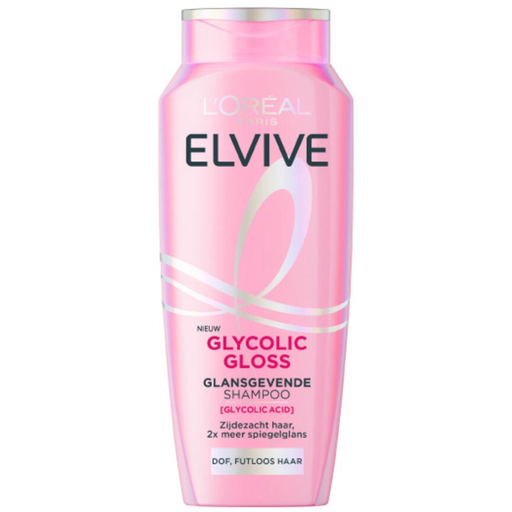
Why it suits this profile: An accessible shampoo for anyone who wants to tackle dull and porous hair with a single product to start with. According to the product description, the sulphate-free formula is combined with glycolic acid and is intended for straight and curly hair.
The product page mentions a lightweight texture designed to cleanse without feeling heavy. Before buying, however, check the current ingredients list on the packaging.
250 ml contents; sulphate-free according to the product information; suitable for different hair structures.
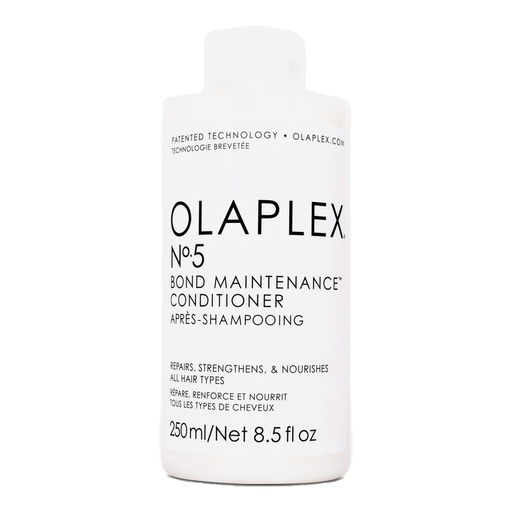
Why it suits this profile: Suitable for adults with dry, coloured, bleached or damaged hair who want a conditioner as a regular part of their routine.
The product information explicitly states that it can be used on all hair types and has a sulphate-free formula. This makes the choice easier to verify than a general shine claim.
250 ml contents; conditioner for hydration and conditioning; suitable for coloured hair according to the product information.
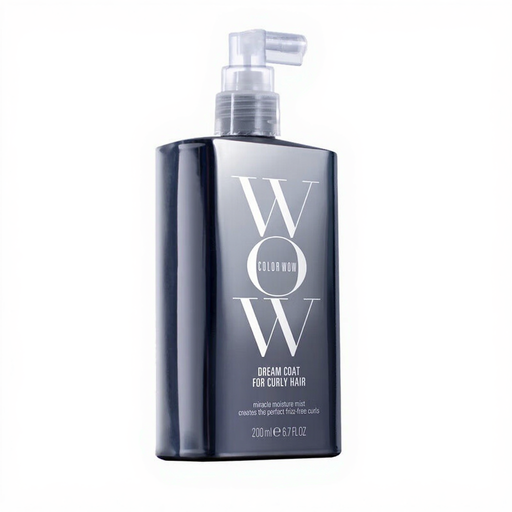
Why it suits this profile: For people who care for curls and mainly struggle with frizz in damp British weather. According to the product description, the spray is used on damp hair and can be activated with a diffuser.
The application instructions are clear: spray generously, comb through and, if required, activate with heat. This makes it clear which steps are needed to achieve the intended styling result.
200 ml contents; anti-frizz spray; designed for different curl types according to the product information.
If you want to compare different formulas, you can also explore a wider selection for a hair shine treatment.
We have put together a complete, up-to-date list of products that fully meet these strict selection criteria and the applicable European safety regulations.
For most dry hair types, once a week is a practical starting point. Damaged, thick or chemically treated hair may sometimes tolerate two applications a week. If your hair becomes limp or weighed down, reduce the frequency or use less product.
A hair serum is often useful for a lightweight, smooth finish and everyday use. Hair oil can provide more nourishment and shine, but requires a smaller amount. For fine hair, serum is usually easier to dose; oil may feel better on thick or porous lengths.
Check the expiry date and the period-after-opening symbol, such as 6M or 12M. Keep products closed, cool and out of direct sunlight. If the smell, colour or texture changes, stop using the product. The packaging and current product information remain the definitive sources.
