
Vandaag of morgen in huis

Kwaliteit gegarandeerd

Welkomstaanbiedingen ontgrendelen: GRATIS bezorging | Tot 80% korting | Gratis 30 dagen JoyPlus-proefperiode
Download de app
Hydrating dry hair, repairing damaged hair or caring for a dry scalp does not automatically require a cupboard full of hair products. The most important thing is to first determine where the problem starts: in the lengths, at the ends or on the scalp. This helps you avoid buying an expensive hair mask when what you actually need is a lightweight leave-in treatment or scalp product.
Terms such as “bond repair”, “salon results” and “72-hour hydration” sound convincing, but they do not always tell you what to expect in practice. According to a brand’s own research or product information, such claims may apply under specific conditions of use. Always read the instructions, ingredients list and product contents carefully.
A hair treatment may make hair feel smoother temporarily without fully repairing structural damage. Split ends, for example, cannot permanently grow back together. A product can, however, help hair feel softer and easier to manage.
Many hair masks are designed for the mid-lengths and ends. If you apply a rich product to the scalp, your hair may look weighed down or greasy more quickly. Scalp care is designed to work around the roots and often requires a different formula.
So check whether a product is intended as:
A large pot is not always better value. Consider the combination of contents, frequency of use and amount needed per treatment. A sachet is useful for trying out a treatment, while a 300 ml pack is more suitable for regular use. If your scalp is sensitive, also check for fragrances, silicones, alcohol and potential allergens.
Choose a formula that matches your goal. For hydrating dry hair, ingredients such as glycerine, panthenol and oils are often relevant in the product description. For repairing damaged hair, you are more likely to see terms such as bond builder, keratin, proteins or ceramides. This does not mean that every ingredient works in the same way for every hair type; porous or fine hair, for example, can become weighed down more quickly by large amounts of oil or silicones.
For caring for coloured hair, products positioned around colour retention or colour protection are practical. If frizz is your main concern, look for anti-frizz hair products with a smoothing formula. When caring for curls, hold, heat activation and the risk of weighing the hair down are also important.
A quick routine calls for a mask that can be left on for one to five minutes. Other hair treatments need at least ten minutes and are used before washing. So check the order of use:
Check the full ingredients list on the packaging. Fragrance, essential oils, alcohol or preservatives can cause irritation for some users. Test a new product on a small area first and stop using it if you experience redness, itching or a burning sensation. If scalp problems persist, advice from a doctor or pharmacist is more sensible than continually trying a new cosmetic product.
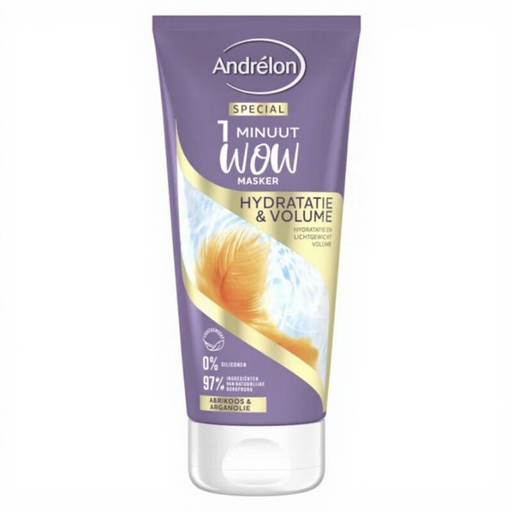
Why it suits this profile: An accessible hair mask for dry, fine hair, with a stated processing time of one minute.
The clearly stated short processing time means you do not need an elaborate routine. Apply it mainly to the lengths.
180 ml contents, a hydration and volume variant, with apricot and argan oils according to the product description.
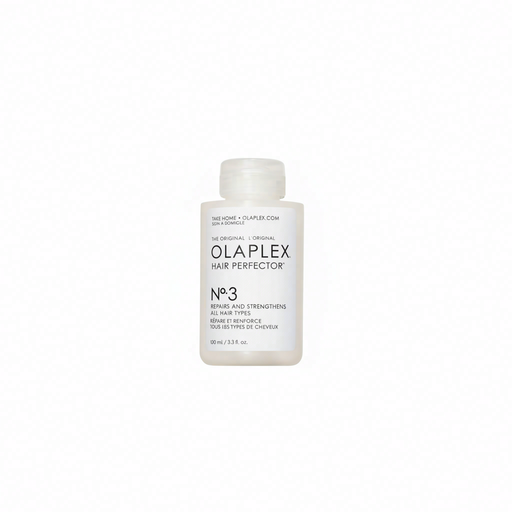
Why it suits this profile: A pre-shampoo bond builder for adults who want to target and treat damaged hair.
The application is clearly defined: use before shampoo, leave to work for at least ten minutes, then rinse out.
100 ml, cream formula, vegan according to the product details and free from sulphates, parabens and phthalates.
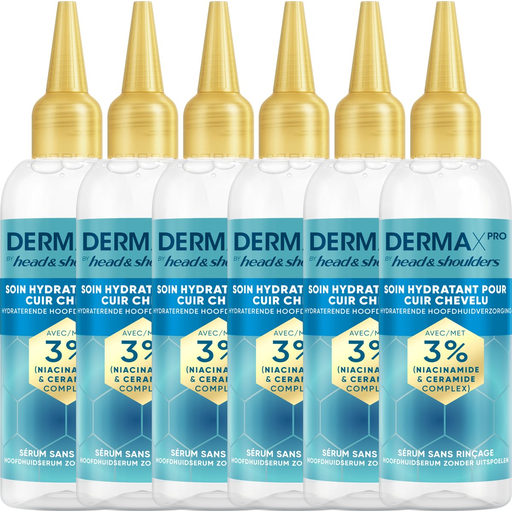
Why it suits this profile: Designed for adults who want to care for a dry or tight-feeling scalp as well as their hair.
This is a leave-in scalp serum, not a heavy mask for the hair ends. That means you can choose the application based on where the problem occurs.
Leave-in formula with niacinamide, glycerine and a ceramide complex according to the product information; applicator for targeted application.
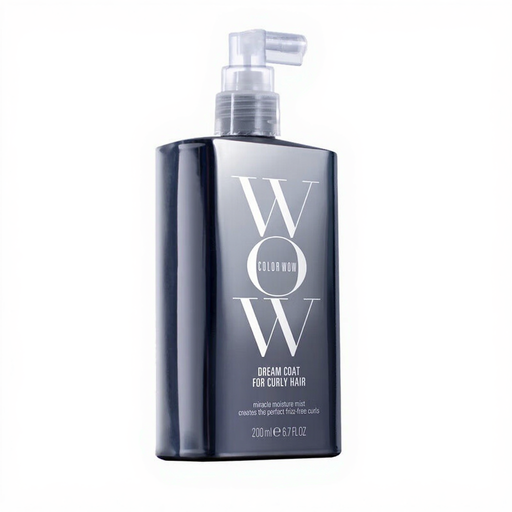
Why it suits this profile: For anyone who wants to define curls and is looking for anti-frizz hair products without a heavy feel.
The instructions advise spraying generously onto damp hair and activating with heat for the intended effect. This makes the correct technique clear.
200 ml, spray format, alcohol-free according to the product details and suitable for different curl types.
We have put together a complete, up-to-date list of products that fully meet these strict selection criteria and the applicable European safety regulations.
A practical routine usually consists of three steps:
Only use hair vitamins according to the label. According to the product information, Davitamon Hair Vitaal contains ingredients including biotin, zinc and B vitamins, but supplements are not a substitute for a varied diet. Consult a doctor if you are pregnant or breastfeeding, take medication or have an existing medical condition.
That depends on the formula and the condition of your hair. A rich mask is often used once or twice a week. Always follow the label. Treating your hair too often can leave fine hair limp, while very dry or damaged hair may sometimes need more care.
Apply conditioner and mask mainly from the mid-lengths to the ends. For fine hair, choose a lightweight formula and use a small amount. A leave-in spray or serum may be more practical than an oil if you do not want to weigh your hair down.
Start with a gentle washing routine and avoid products that cause irritation. A specialist scalp balm or leave-in serum may be suitable for dryness. Claims about reducing itching or flakes depend on how the product is used and on the brand’s product information. If symptoms persist or are severe, professional medical advice is recommended.
