
Vandaag of morgen in huis

Kwaliteit gegarandeerd

Welkomstaanbiedingen ontgrendelen: GRATIS bezorging | Tot 80% korting | Gratis 30 dagen JoyPlus-proefperiode
Download de app
Dry hair, frizzy lengths or curls that lose their shape don’t automatically call for a cupboard full of products. The right choice depends on your hair structure, your routine and the ingredients or features you actually need. This guide from the Joybuy Product Recommendation Officer helps you compare hair products without being swayed by big marketing claims.
Words like “repair”, “healthy hair” or “salon results” sound appealing, but they say little without product details. So check the product type, volume, frequency of use and ingredients. A hair mask, for example, might be intended for weekly use, while a conditioner is applied after every wash.
Claims about shine, less frizz or heat protection come from the product description or the brand. So treat them as an expected function of use, not a guaranteed result for every hair type.
A complete hair care set might seem convenient, but not every component is necessary. If tangles are your main issue, a conditioner or leave-in conditioner may be more relevant than an extensive styling routine. For dry and damaged hair, a hair mask once or twice a week can be enough to supplement shampoo and conditioner.
Also watch out for overlapping functions. A hair oil, hair serum and leave-in product can all be used on the lengths. Too many products can weigh down fine hair or leave it feeling greasy.
A large pack isn’t always better value if you only use the product occasionally. Look at millilitres, grams, the number of units and the recommended amount per application. Capsules, sachets and travel sizes can be handy for portion control or holidays, but they have a different cost per use than a bottle or pot.
For products with ingredients such as perfume, oils or preservatives, it’s wise to check the full ingredients list if you’re sensitive to certain substances. Follow warnings on the label and use hair products for external use only.
A rinse-out product and a leave-in product are not interchangeable. A mask is usually applied after washing and rinsed out after a few minutes. A leave-in conditioner or hair serum stays in the hair. When in doubt, follow the instructions on the packaging.
For caring for curls, a practical order is: wash, conditioner or mask, gently detangle, remove excess water, then apply styling product. Andrélon Mousse Flex Curles, for example, is kneaded into wet hair according to the product instructions; a diffuser can then be used for extra definition.
Always check the recommended daily amount and warnings for hair vitamins. Supplements are not a substitute for a varied diet and should not be used above the stated dosage. If you are pregnant, breastfeeding, taking medication or in doubt, it’s wise to consult a doctor.
For cosmetics, perfume allergens and preservatives are relevant, among others. The product page should provide information about volume, shelf life and use after opening. Also check the packaging and the expiry date upon receipt.
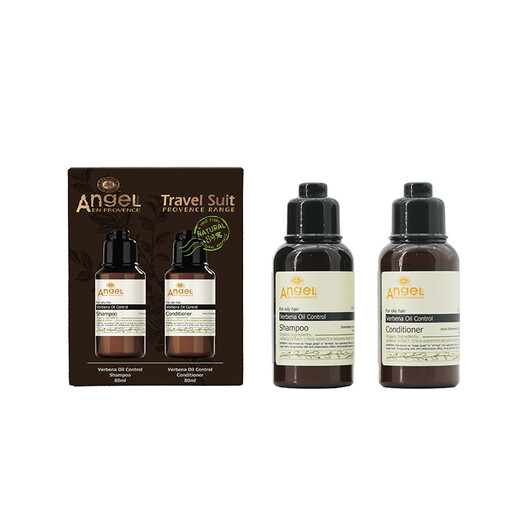
Why this fits the profile: The two 80 ml bottles offer a straightforward starting point for anyone wanting to try shampoo and conditioner or who travels often.
The volume and combination are clearly stated, so you don’t buy a large set before knowing whether the routine suits your hair.
Shampoo and conditioner in one set; compact 80 ml size per product.
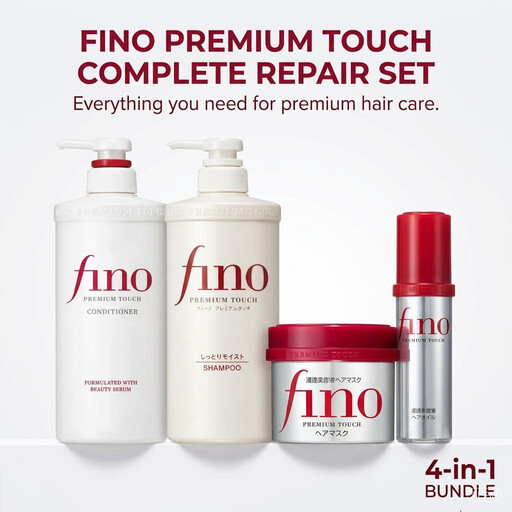
Why this fits the profile: This set combines shampoo, conditioner, hair mask and treatment oil for consumers who prefer to put together one complete routine.
The four steps and functions are described separately. This means you can decide which products are needed daily, weekly or only for styling.
Four different product types; suitable for a routine for dry, damaged or dull hair according to the product description.
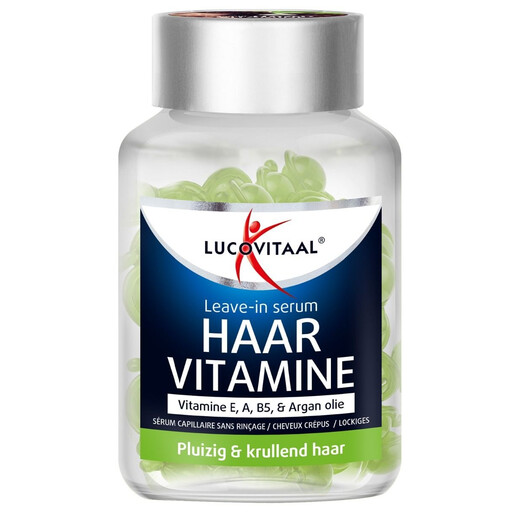
Why this fits the profile: The 25 twist-off softgels are designed for use on curly, wavy or frizzy hair and suit a targeted styling routine.
The packaging clearly states that the product is not for ingestion. You use a small amount on the lengths and ends, rather than a dietary supplement with a similar name.
Leave-in application; 25 individual softgels; ingredients list including macadamia, argan, jojoba and coconut oil.
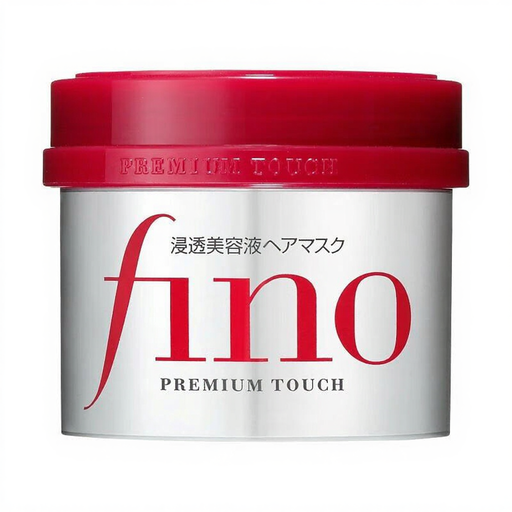
Why this fits the profile: This mask is ideal for anyone wanting to add one targeted treatment per week to a routine for dry, frizzy or damaged hair.
The frequency of use is specific: once or twice a week rather than after every wash. The product details also mention that the product contains silicones.
230 g content; designed as a hair mask for all hair types; use as an alternative to conditioner.
We’ve put together a full, up-to-date list of products that fully meet these strict selection criteria and comply with current European safety regulations.
Start with a shampoo that suits your scalp and then use conditioner on the lengths and ends. For dry or damaged hair, add a hair mask once a week. For curls or frizzy hair, you can then use a leave-in conditioner, hair serum or light hair oil. Don’t add several new products at once; this way you can better see what works for your hair.
This varies per formula, but many masks are intended for once or twice a week. Always follow the instructions on the packaging. Don’t automatically leave a mask on longer than stated. For fine hair, a smaller amount and application to the ends may be sufficient.
Not every hair oil protects against heat. Check whether the product description or packaging explicitly states this and whether the product is suitable for your styling temperature. When using a hairdryer, straighteners or curling tongs, use a product with a clear heat protection function and stick to the usage instructions.
