
Vandaag of morgen in huis

Kwaliteit gegarandeerd

Welkomstaanbiedingen ontgrendelen: GRATIS bezorging | Tot 80% korting | Gratis 30 dagen JoyPlus-proefperiode
Download de app
Driving in the dark with dim halogen bulbs feels unsafe and outdated. You want better visibility, a modern look for your car, and the confidence that you can see everything clearly. An automotive lighting upgrade to H7 LED headlights seems like the logical next step. But the market is flooded with bulbs that make lofty claims. Many drivers fall into common traps that lead to buyer's remorse, vehicle inspection failures, or even dangerous situations on the road.
As a Joybuy Product Recommendation Officer, I'll help you see through the marketing hype. In this guide, we'll discuss the most common pitfalls and the specifications you truly need to focus on.
Before you spend your money, it's crucial to know what often goes wrong. Many buyers focus on the wrong specifications and end up with bulbs that don't perform as expected.
Focus on the technical details that genuinely make a difference in performance and longevity.
The most important factor for a safe and effective H7 LED headlight is the beam pattern. A good LED bulb must precisely replicate the light pattern of a traditional H7 halogen bulb. This is achieved by placing the LED chips in the exact same position as the filament in a halogen bulb.
A smooth, error-free installation is essential. Plug-and-play headlights are designed for direct replacement without any modifications.
The lifespan of bright automotive bulbs depends directly on the cooling system. Active cooling with a fan is typically more effective for high-power LEDs.
Not all H7 LED bulbs are created equal. We've highlighted a few popular choices that suit different driver profiles, based on their specifications.
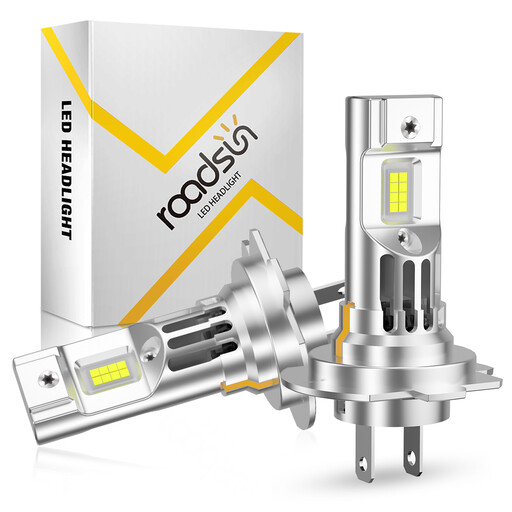
Why This Fits Their Persona: This driver wants a quick and hassle-free upgrade without dealing with extra adapters or modifications. The focus is on a simple DIY installation that can be completed in minutes.
The design is specifically focused on being 'plug-and-play' without needing an adapter, which minimizes the risk of compatibility issues and installation frustration.
True plug-and-play: Fits directly into the original H7 socket. Bright 6500K color: Provides a modern, white light that improves visibility.
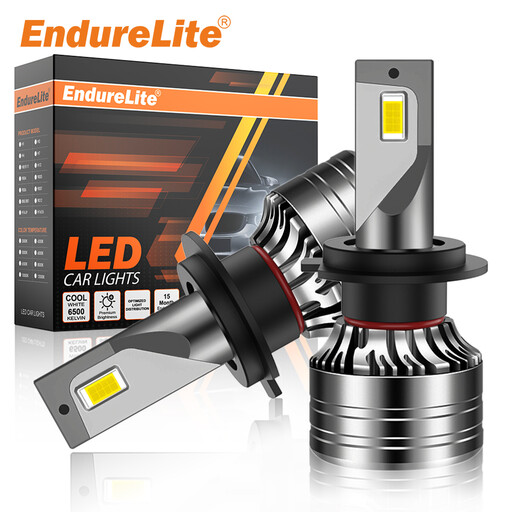
Why This Fits Their Persona: This driver is on the road daily and needs reliable, long-lasting lighting that performs in all weather conditions. Visibility and a long lifespan are the top priorities.
It tackles the poor cooling pitfall with an aluminum body, a 10,000 RPM fan, and an IP68 rating, which provides the foundation for its claimed 50,000-hour lifespan.
Solid all-rounder: A balance of brightness (300% brighter, according to the manufacturer), lifespan, and broad compatibility. Perfect Beam Pattern: Designed to mimic the halogen light pattern.
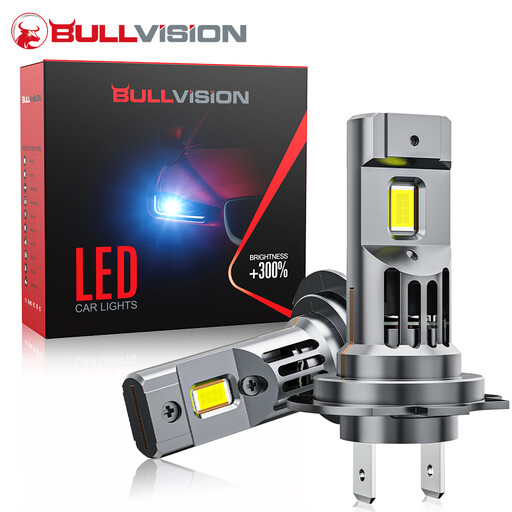
Why This Fits Their Persona: This driver seeks maximum performance and a sleek, modern H7 6000K look. They are tech-savvy and aren't afraid to install an extra CANbus decoder if needed to achieve a perfect result.
Is transparent about the CANbus pitfall by explicitly warning that an extra decoder may be needed for certain car brands. This prevents unexpected errors for the informed buyer.
1:1 size: The compact design simplifies installation. Focus on beam pattern: The description emphasizes a correct light pattern without dark spots, which is essential for performance.
We have compiled a complete, up-to-date list of products that fully meet these strict selection criteria and safety regulations.
Legislation around retrofitting H7 LED car bulbs is specific. Officially, a replacement LED bulb must have an E-mark certification that is valid for your specific headlight assembly. In practice, vehicle inspections primarily focus on the beam pattern. If the bulb produces a correct, non-glaring beam pattern with a clear cut-off line, it will often pass. Bulbs without the proper certification are formally intended for track or off-road use only. Always check the product information and local regulations.
That depends on your car. Most modern cars use a CANbus system that monitors the power consumption of the bulbs. Because LEDs consume less power than halogens, the onboard computer might think the bulb is burnt out and display an error message. Many CANbus H7 LED bulbs have a built-in resistor to prevent this. However, some sensitive cars, particularly those from German manufacturers, may still require an external decoder.
The process of replacing H7 bulbs is quite straightforward in most cars and is a great example of a DIY job:
