
Vandaag of morgen in huis

Kwaliteit gegarandeerd

Welkomstaanbiedingen ontgrendelen: GRATIS bezorging | Tot 80% korting | Gratis 30 dagen JoyPlus-proefperiode
Download de app
Driving in the dark with dim, yellowish halogen bulbs can quickly feel unsafe. It's no surprise that many drivers consider replacing their halogen H7s with LEDs. An upgrade to modern H7 LED headlights promises better visibility, a sleeker look, and a longer lifespan. However, the market is flooded with options and marketing promises that don't always deliver.
Before you invest in a car headlight upgrade, it's crucial to understand a few common pitfalls. Many drivers make a choice they later regret.
To avoid a bad purchase, there are a few technical specifications that make all the difference. By paying attention to these, you'll choose a product that is not only bright but also safe and durable.
The most important factor for a safe car headlight upgrade is the beam pattern. A good LED H7 bulb is designed so that the LED chips are in the exact same position as the filament in a traditional halogen bulb. This creates a sharp cut-off line, ensuring you illuminate the road properly without blinding oncoming drivers. After installing new bulbs, it is always recommended to have the headlights realigned.
The lifespan of an H7 LED headlight is directly dependent on its cooling system. There are two main types:
A bulb with a robust aluminium housing and either a fan or a large heatsink is typically a more durable choice.
For a smooth transition when replacing halogen H7 with LED, look for a plug and play H7 LED model. These fit directly into the original socket without requiring modifications, extra cables, or external drivers. As for the electronics, an H7 LED Canbus system is designed to communicate flawlessly with your car's onboard computer. Be aware: with some car brands, particularly German ones, an external decoder may still be necessary to completely eliminate error messages, despite a built-in Canbus system.
Based on these criteria, we have highlighted several popular choices that suit different driver profiles.
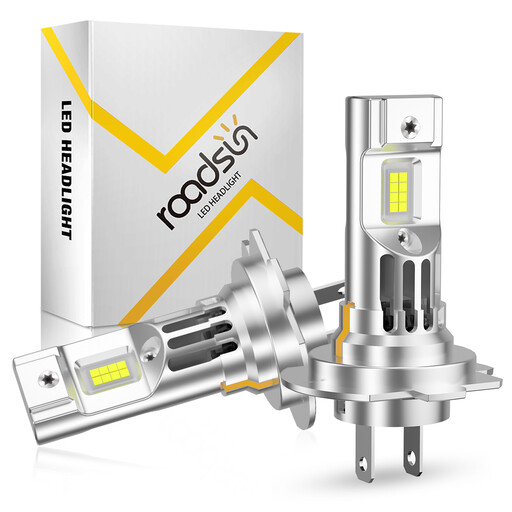
Why This Fits Their Persona: For those who want to perform the upgrade themselves without any hassle. The design is focused on a quick and easy installation, directly into the existing H7 socket, without needing separate adapters or modifications.
This model tackles the pitfall of a complex installation. The manufacturer states that the bulbs can be fitted in 10 minutes, making it an accessible plug and play H7 LED solution.
Integrated design with no loose adapters. The built-in fan provides active cooling to ensure performance and longevity.
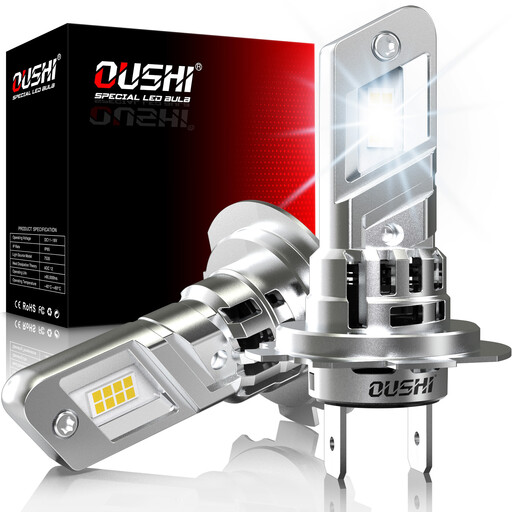
Why This Fits Their Persona: For drivers who want maximum visibility and a modern look. The bright H7 6500K color temperature provides a daylight-white beam pattern, which improves contrast on the road and reduces fatigue.
This bulb addresses the pitfall of overheating. According to the manufacturer OUSHI, the combination of an aluminium housing and a high-speed turbo fan ensures efficient heat dissipation, which is essential for long-term high performance.
High light output for a wider and farther field of vision. The built-in H7 LED Canbus system is, according to the manufacturer, compatible with 98% of vehicles.
Why This Fits Their Persona: Ideal for the daily driver who needs a reliable, durable bulb that performs in all weather conditions. The focus here is on longevity and robustness, not just maximum brightness.
This bulb bypasses the pitfall of an incorrect beam pattern. According to the manufacturer Roadsun, the light pattern is precisely calibrated to prevent glare for oncoming traffic, which improves safety and the chances of passing a vehicle inspection.
The IP68 rating makes the bulb water and dustproof. According to its specifications, it functions in extreme temperatures, making it a reliable choice for daily use.
We have compiled a complete, up-to-date list of products that meet these strict selection criteria.
Regulations regarding retrofitting LED lighting are specific. For a legal upgrade, the H7 LED headlight must have a correct E-mark that is valid for your specific car model and headlight unit. Furthermore, the beam pattern after installation must meet local vehicle inspection requirements, meaning it must have the correct shape and not blind oncoming drivers. When in doubt, consult your local vehicle authority's website or a certified garage.
This depends on your car. Modern cars use a Canbus system to check if the bulbs are working. Because LED bulbs consume less power than halogen, the car might think the bulb is broken and display an error message. Many H7 LED Canbus kits have a built-in resistor to prevent this. However, with some sensitive cars (like those from VW, Audi, BMW, and Mercedes-Benz), a separate Canbus decoder may still be required.
One of the major advantages of a car headlight upgrade to LED is the lifespan. A standard halogen bulb lasts an average of 500 to 1,000 operating hours. For a high-quality LED H7 bulb, manufacturers often state a lifespan of 20,000 to over 50,000 hours. However, this is highly dependent on the quality of the bulb and, most importantly, the effectiveness of its cooling system.
