
Vandaag of morgen in huis

Kwaliteit gegarandeerd

Welkomstaanbiedingen ontgrendelen: GRATIS bezorging | Tot 80% korting | Gratis 30 dagen JoyPlus-proefperiode
Download de app
Driving in the dark with dim, yellowish halogen bulbs can quickly feel unsafe. You're considering an upgrade to an H7 LED headlight for brighter visibility and a more modern look. However, the market is flooded with options promising impressive specifications. Unfortunately, these promises often lead to disappointment: bulbs that don't fit, error messages on the dashboard, or a beam pattern that blinds oncoming drivers.
As a Joybuy Product Recommendation Officer, I'm here to help you cut through the marketing hype. We'll focus on the facts so you can make an informed decision. Let's look at the most common pitfalls.
To avoid buyer's remorse, it's crucial to look beyond the marketing. Pay attention to the following three technical specifications when replacing H7 halogen with LED.
A good LED bulb must replicate the light pattern of the original halogen bulb as accurately as possible. This ensures the light lands on the road and not in the eyes of other drivers. Look for bulbs that specify a "1:1 design" or "halogen-identical beam pattern." This increases the chances of a correct beam pattern and a trouble-free installation, as the bulb will physically fit into the headlight unit.
The colour of the light is expressed in Kelvin (K). Standard halogen bulbs have a yellowish glow of around 3200K. Most H7 LED bulbs offer 6000K cool white light. This colour significantly improves the contrast and visibility of road markings and traffic signs, contributing to a safer drive in the dark.
If your car was built after approximately 2005, it likely has a CANbus system. This system detects a "faulty" bulb if the power consumption deviates, which is the case with energy-efficient LEDs. Therefore, opt for a CANbus H7 LED set with a built-in 'error-free' driver. This prevents error messages on your dashboard and ensures stable operation. Also, check if the bulbs have an IP rating, such as IP67 or IP68, which indicates they are waterproof car bulbs resistant to moisture and dust.
Based on these criteria, we have selected a number of products that suit different user profiles.
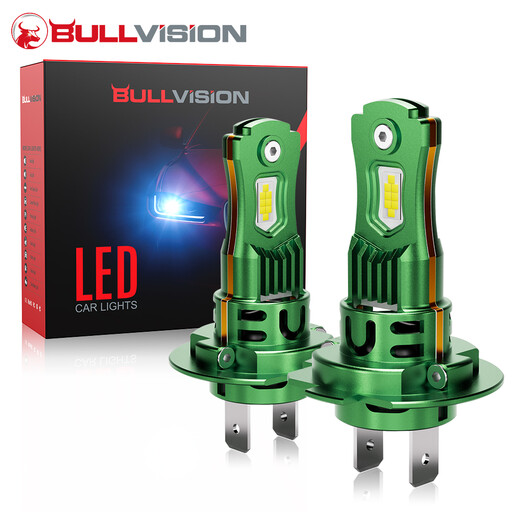
Why This Fits Their Persona: Perfect for those replacing their headlights for the first time. The compact 1:1 size is designed to be as easy to install as a standard halogen bulb, without any modifications to the headlight housing.
Tackles the "Plug and Play" myth with a design that actually fits. The mini size prevents issues with insufficient space behind the headlight.
1:1 mini size for maximum compatibility. The built-in CANbus driver works on 99.9% of vehicles without errors, according to the manufacturer.
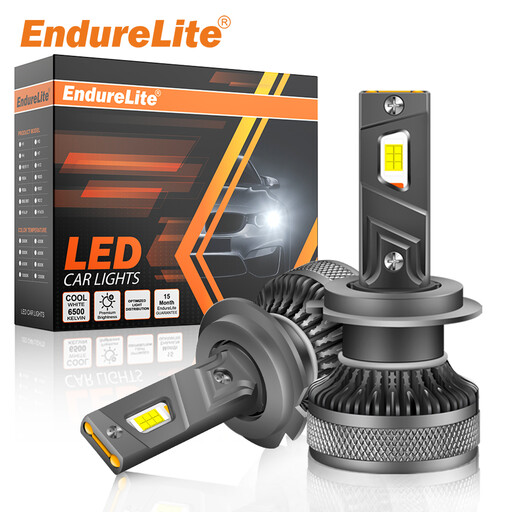
Why This Fits Their Persona: For drivers who frequently travel on unlit roads and prioritise a powerful light beam. This set combines high light output with a design focused on safe light distribution.
Bypasses the "Lumen Trap" by not only highlighting the brightness (20,000 lumens) but also the "precise, halogen-like beam pattern" that prevents glare.
High light output combined with an IP68 waterproof rating, ensuring reliability in all weather conditions. The active cooling system is designed for a long lifespan.
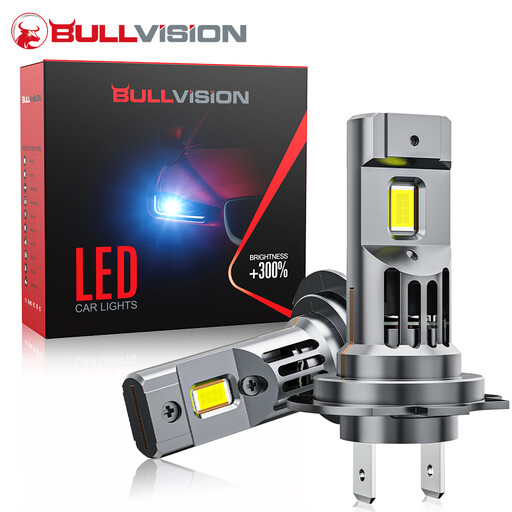
Why This Fits Their Persona: This user wants a noticeable upgrade from halogen to LED without paying a premium. This set offers a solid balance between performance, ease of installation, and durability.
Offers a complete package that addresses the main pitfalls: a 1:1 size to prevent fitment issues and a CANbus-ready driver to avoid dashboard errors.
A wireless design and 1:1 size make installation straightforward. The manufacturer claims a lifespan of 50,000 hours, a significant improvement over halogen.
We have compiled a complete, up-to-date list of products that fully meet these strict selection criteria and local regulations.
Regulations on this are specific. Officially, LED replacement bulbs must have an E-mark certification that is valid for your exact car model and headlight unit. Many universal 'plug and play' sets are, strictly speaking, intended for circuit or off-road use. The most important factor for passing a vehicle inspection is that the headlights are correctly aligned and have a proper beam pattern that does not blind oncoming drivers. Always check the product documentation and your local transport authority requirements.
As a rule of thumb, most European cars built after 2005 have a CANbus system. A quick online search with your car's make, model, and year will often provide a direct answer. When in doubt, it is always a safe choice to purchase a CANbus H7 LED bulb that is explicitly 'error-free' or 'CANbus ready'.
A major advantage of LED is its lifespan. While a halogen bulb often fails after 500 to 1,000 operating hours, manufacturers of quality LED bulbs claim a lifespan of 30,000 to 50,000 hours. The actual lifespan depends heavily on the quality of the cooling (fan or passive heat sink) and the operating conditions.
