
Vandaag of morgen in huis

Kwaliteit gegarandeerd

Welkomstaanbiedingen ontgrendelen: GRATIS bezorging | Tot 80% korting | Gratis 30 dagen JoyPlus-proefperiode
Download de app
Considering replacing your standard halogen car bulbs with H7 LED? You're not alone. An upgrade to bright, white lighting not only improves visibility in the dark but also gives your car a more contemporary look. However, the market is flooded with options, and it's easy to fall into a few common pitfalls.
Before you spend your money, it's crucial to know what to look for. Many drivers are disappointed by bulbs that don't meet their expectations. These are the most common problems:
To avoid a bad purchase, it's better to focus on a few concrete specifications rather than marketing claims. These three points are crucial for performance and safety.
The most important feature of a good H7 LED low beam bulb is not its raw light output, but the precision of its beam pattern. The LED chips on the bulb must be positioned in the exact same spot as the filament in a traditional H7 halogen bulb.
Modern cars use a CANbus (Controller Area Network) system to monitor all electronic components. This system checks if the bulbs are functioning correctly. Because LED bulbs consume much less power than halogen bulbs, the system might think the bulb is broken.
The lifespan of an LED bulb depends directly on how well heat is dissipated. A bulb that gets too hot will rapidly decrease in brightness.
Not all H7 LED bulbs are created equal. Below are a few choices tailored to different user profiles, based on their specifications.
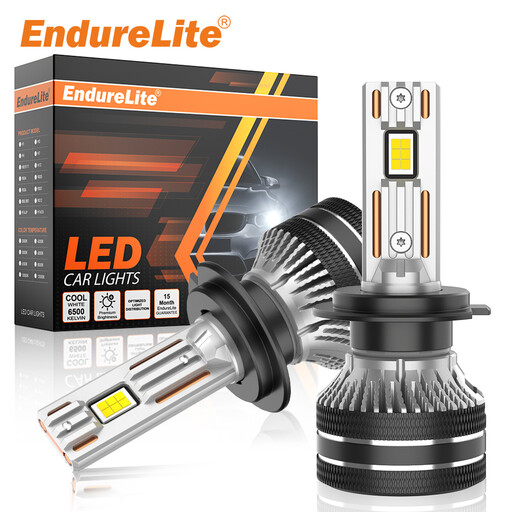
Why This Fits Their Persona: Ideal for the car owner who wants a quick and reliable upgrade without any hassle. The focus is on a simple 'plug-and-play' installation and broad compatibility.
According to the manufacturer, the design is the same size as a standard bulb, which helps to maintain the original beam pattern. The built-in driver is designed to prevent CANbus errors.
Simple installation and a CANbus-ready design that the manufacturer claims works with 99% of vehicles.
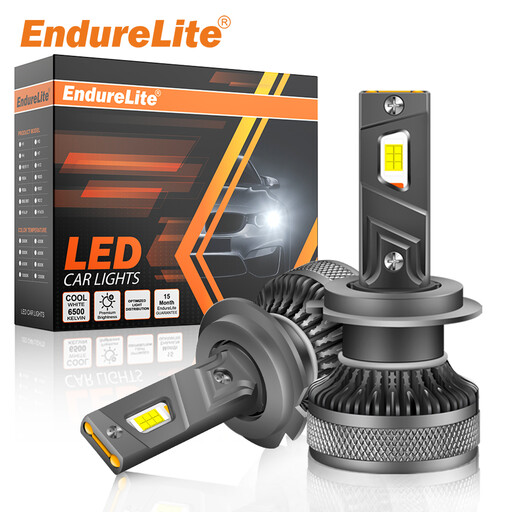
Why This Fits Their Persona: For the driver who values the underlying technology. The mention of specific 7535 CSP chips and a powerful fan indicates a focus on performance and longevity.
Directly addresses the overheating pitfall with a cooling system made of 'aerospace aluminum' and a 12,000 RPM fan, which is crucial for a long lifespan and consistent brightness.
Advanced cooling system for improved durability. The IP68 waterproof rating ensures reliable performance in all weather conditions.
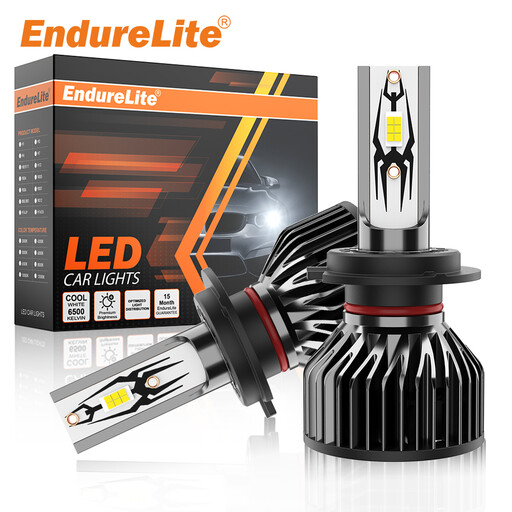
Why This Fits Their Persona: A solid all-round choice for the DIYer looking for a reliable and broadly compatible solution. This product is offered for multiple fitments, including H7.
Like the other recommendations, this model focuses on a 1:1 beam pattern and a CANbus-ready design to prevent the most common installation issues and error messages.
A versatile and accessible option that offers key technical benefits, such as an efficient cooling system and a bright, focused beam pattern.
We have compiled a complete, real-time list of products that fully satisfy these strict selection criteria and UK safety regulations.
Regulations for retrofitting LED lighting into halogen headlights are complex. While many bulbs are designed to mimic the original beam pattern, they often lack the specific E-mark required for use on public roads in your specific car model. This can be a failure point during a vehicle safety inspection. It is advisable to check current local regulations or opt for a complete headlight unit that is approved as a whole.
Manufacturers often claim a lifespan of up to 50,000 hours. This is a theoretical maximum under ideal laboratory conditions. In practice, the lifespan heavily depends on the quality of the cooling system, how often you drive in the dark, and the ambient temperature. However, a good quality set should last significantly longer than traditional halogen bulbs, which often only last 500 to 1,000 hours.
Yes, it is highly recommended to replace H7 headlights as a set. This ensures consistent light colour, brightness, and a symmetrical beam pattern on both sides of the car. It also prevents the other, older bulb from failing shortly after the first replacement.
