
Vandaag of morgen in huis

Kwaliteit gegarandeerd

Welkomstaanbiedingen ontgrendelen: GRATIS bezorging | Tot 80% korting | Gratis 30 dagen JoyPlus-proefperiode
Download de app
Driving in the dark with standard halogen headlights can feel like peering through a haze. The yellowish, weak light reduces visibility and gives your car a dated look. Upgrading to an H4 LED headlight is a natural step for better visibility and a more modern appearance. But the market is flooded with options that overpromise and underdeliver.
As a Product Recommendation Officer at Joybuy, I see the challenges consumers face every day. To help you avoid a bad purchase, I've outlined the three most common pitfalls.
Manufacturers love to tout impressive lumen figures. A higher number seems better, but it says nothing about the quality of the light on the road. A poorly designed bulb with high lumens can produce an unfocused and blinding beam pattern. The result? You dazzle oncoming drivers, while the road ahead is riddled with dark spots. A correct beam pattern is more important than a high lumen count.
The term plug-and-play headlights suggests an installation that takes just minutes. The reality is sometimes different. Bulbs that are physically too large for the headlight housing or, more annoyingly, cause dashboard error messages are a common problem. Modern cars with a CAN bus system are particularly sensitive to this.
An LED chip only performs optimally when it stays cool. Cheaper models often cut corners on the cooling system. An inefficient fan or a subpar heat sink leads to overheating. This causes the light intensity to decrease rapidly, and the promised lifespan of thousands of hours is never even remotely achieved.
To make the right choice, focus on a few technical features that truly matter.
A good H4 LED car bulb is engineered to precisely replicate the light pattern of the original halogen bulb. This ensures a sharp cut-off line, optimally illuminating the road without hindering oncoming traffic. Most popular choices have a colour temperature around 6500K car bulb. This produces a bright, white light comparable to daylight, which enhances contrast on the road. Because an H4 fitting controls both low and high beams, it's crucial that the bulb performs both functions correctly as a low and high beam LED.
A successful halogen H4 replacement starts with the fit. Look for a model with a 1:1 design, meaning its dimensions match the original bulb. This makes the installation truly plug-and-play. Do you have a car made after circa 2005? Then you will likely need a CAN bus H4 LED. These bulbs have a built-in resistor or decoder that prevents your car's onboard computer from triggering an error message.
The cooling system is the key to a long lifespan and stable performance. There are two main types:
Also, pay attention to the IP rating. An IP68 rating guarantees that the bulb is completely dustproof and waterproof, a must for unpredictable weather conditions.
Based on these criteria, we have selected a number of products that suit different types of users.
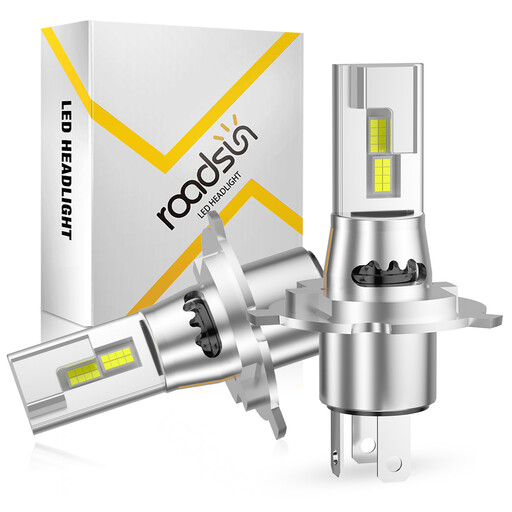
Why This Fits Their Persona: For the driver who wants maximum visibility and safety. According to the manufacturer, Roadsun, this bulb delivers significantly higher light output than halogen, ideal for driving on dark, rural roads.
The high-speed cooling fan (16,000 RPM) tackles the overheating pitfall, ensuring stable brightness and a longer lifespan.
Active cooling for stable performance and an IP68 waterproof rating for reliability in all weather conditions.
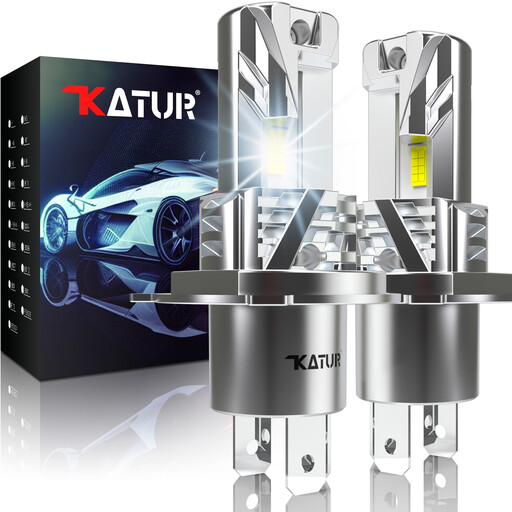
Why This Fits Their Persona: Perfect for those who want a quick and hassle-free upgrade. The compact, fanless design makes installation easy, even in headlight housings with limited space.
This model addresses the "plug-and-play" pitfall with its 1:1 mini design that mimics the original halogen bulb's fit, making modifications unnecessary.
Fanless design for silent operation and no moving parts that can fail. Its compact size ensures broad compatibility.
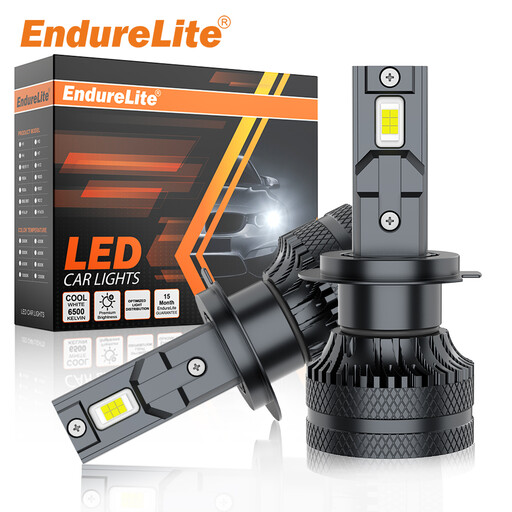
Why This Fits Their Persona: This bulb offers a balanced upgrade with good light output, reliable cooling, and broad compatibility, making it a solid choice for most modern cars.
The "CAN bus ready" design is specifically intended to bypass the compatibility pitfall of dashboard errors, making it a worry-free option for many vehicles.
A good balance between brightness and lifespan, with a built-in intelligent driver for broad vehicle compatibility.
We have compiled a complete, up-to-date list of products that fully meet these strict selection criteria and safety regulations.
Regulations for retrofitting LED lighting can be a grey area. Officially, car bulbs must have a certification mark (like an E-mark) specific to the type of headlight they are used in. Many retrofit LED kits lack this and are formally intended for circuit or off-road use only. However, for roadworthiness inspections, the main concerns are that the beam pattern is correct and does not dazzle oncoming drivers. Therefore, always choose a bulb that mimics the original halogen pattern as closely as possible and have the headlights professionally aligned after installation. For certainty, always consult the current guidelines from your local transport authority.
It's possible, depending on your car. Vehicles with a CAN bus system (usually built after 2005) monitor the status of the lighting. Because LED bulbs consume significantly less power than halogen bulbs, the system might think the bulb is faulty. This results in a warning light on your dashboard. To prevent this, it's best to choose a CAN bus H4 LED kit with a built-in decoder or resistor.
Manufacturers often claim a lifespan of 30,000 to 50,000 hours. In practice, this depends heavily on the quality of the cooling system. A bulb with efficient cooling, either via a fan or a well-designed aluminium heat sink, will maintain its brightness for longer and more closely approach the claimed lifespan. A cheap model that overheats quickly will lose its brightness much faster and fail prematurely.
