
Vandaag of morgen in huis

Kwaliteit gegarandeerd

Welkomstaanbiedingen ontgrendelen: GRATIS bezorging | Tot 80% korting | Gratis 30 dagen JoyPlus-proefperiode
Download de app
Gummy sweets come in many forms, from classic wine gums and fruit gummies to sour sweets, jelly sweets and eye-catching peelable gummies. The wide range makes choosing fun, but it can also make it difficult. For example, colourful packaging tells you little about the sugar content, the type of gelatine used or the size of the pack.
When buying sweets online, there are three main pitfalls to watch out for:
With the right checks, it is easier to find gummy sweets that suit a party, treat, sweet bag or kitchen cupboard.
Ingredients are listed in descending order by weight. Sugar and glucose syrup appear near the top of the list for many types of soft sweets. This is common for this product category, but it is still useful information when comparing different products.
Also look out for:
A product that does not contain one of the 14 major EU allergens is not automatically suitable for every situation. Always check the current label on the packaging, especially for international products.
Not every type of gummy sweet has the same texture. A soft fruit gummy is suitable for leisurely snacking, while sour sweets or products with a crunchy outer layer offer more variety.
Examples:
For young children, check the age information and choking hazard warning. Small sweets should not be given to children under three, and children should preferably eat these types of products under adult supervision.
A 40 to 75-gram bag is handy for individual use or a small treat. For a family, film night or party, packs of around 180 to 215 grams are more practical. A 1-kilogram bulk pack is particularly suitable if you regularly need sweets to share.
Gummy sweets should generally be stored:
Some products, such as candy floss, may shrink or dissolve when exposed to moisture. For peelable gummies and soft sweets, keeping the pack properly sealed helps maintain a pleasant texture for longer. Before buying, also check the best-before date and usage instructions on the packaging.
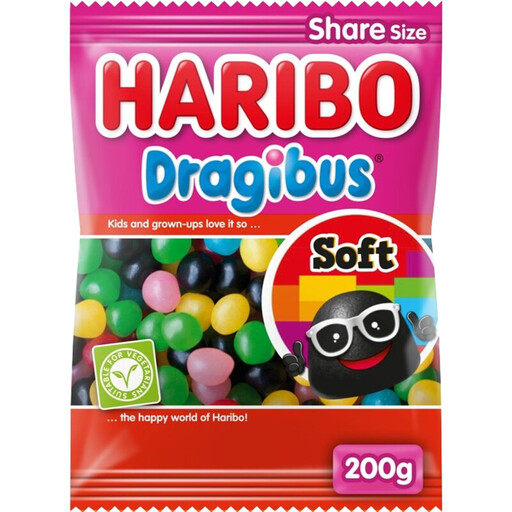
Why it suits this profile: The 200-gram pack offers several fruity flavours and is suitable for sharing.
The net weight is clearly stated. The product information lists six fruit flavours and provides nutritional values per 100 grams.
200 grams, a variety of fruit flavours and, according to the product information, no artificial colourings.
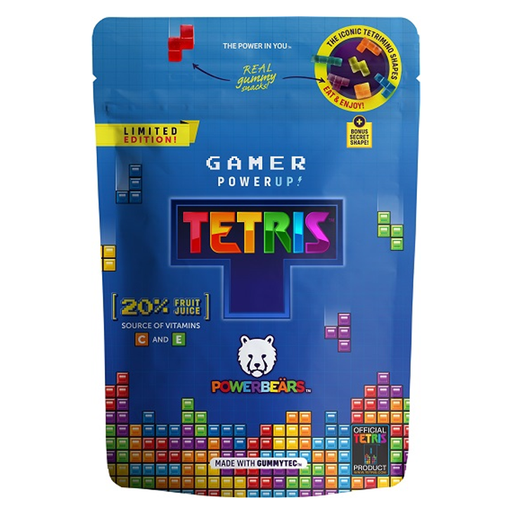
Why it suits this profile: For anyone who values shape, ingredient information and a recognisable theme as well as flavour.
The product information states that it contains 20% apple juice from concentrate, eight fruit flavours and nutritional values per 100 grams.
Tetris shapes, 125 grams, plus vitamin C and E information with the corresponding reference values.
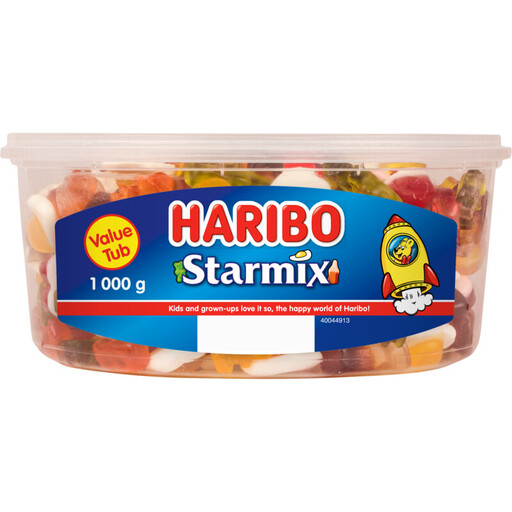
Why it suits this profile: A practical choice for birthdays, treats, a sweet jar or large groups.
The large format makes the price per 100 grams easier to assess than with several small bags. The packaging states approximately 40 servings of 25 grams.
A mix including fruit gums, rings, hearts, cola sweets and gold bears in a 1-kilogram bulk pack.
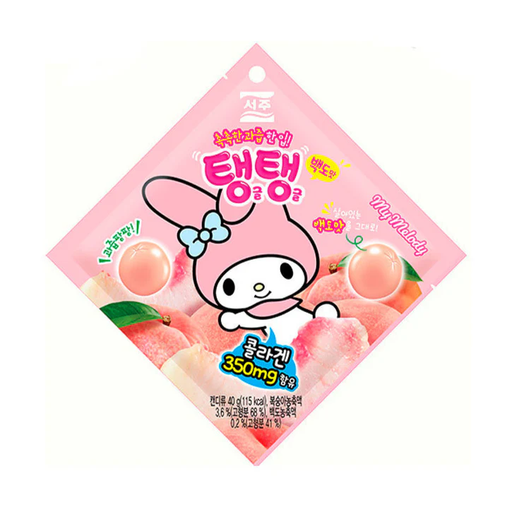
Why it suits this profile: A compact Korean fruit sweet with white peach flavour for anyone looking for something different from standard wine gums.
The pack is small and the net weight of 40 grams is clearly stated. The label identifies peach and beef gelatine as points to note.
Originating from South Korea, with white peach flavour and a soft, chewy texture according to the product description.
For a more playful sweet-eating experience, Cokoc Peelable Gummies Mixed Fruit Flavor 60g and Amos Peelerz Gummy Candy - Lychee 65g are natural choices. According to the label, the first contains apple, strawberry and mango juice concentrates. Amos Peelerz has a lychee outer layer and a fruit centre; the product information states that it contains 9.3% concentrated fruit and apple juice.
If you are looking for a combination of sweet and sour, consider Red Band Fizzy Mix Soft Sweet and Sour - 215g. This bag contains sour gummies, cola bottles and fizzy shapes, among other sweets. Always check the age warning for children and give them sour sweets in moderation.
For a treat with an eye-catching shape, Nerds Gummy Clusters or Amos 4D Gummy Lucky Fish are suitable choices. With Nerds, look out for the mention of pork gelatine and apple. Amos lists possible traces of milk, soya and sulphites.
We have put together a complete, up-to-date list of products that fully meet these strict selection criteria and the applicable European safety regulations.
Keep the bag or packaging tightly sealed in a cool, dry place. Avoid sunlight, heat and moisture. Check the specific instructions on the label, as candy floss and soft jelly products may react differently from firmer fruit gummies.
Choose a pack of around 180 grams or more when sharing sweets with several people. For larger groups or a sweet jar, a 1-kilogram pack is more practical. A mix of different shapes and flavours will generally appeal to more people than a single fruit flavour.
Check the age recommendation, the size of the sweets and the allergen information. Also look at the gelatine and colourings. Nutritional information is usually shown per 100 grams on the packaging; compare it before putting together a sweet bag.
