
Vandaag of morgen in huis

Kwaliteit gegarandeerd

Welkomstaanbiedingen ontgrendelen: GRATIS bezorging | Tot 80% korting | Gratis 30 dagen JoyPlus-proefperiode
Download de app
Want to buy gummy sweets, but unsure whether to choose fruit gummies, jelly sweets, konjac jelly or Asian confectionery? The difference is not just in the flavour. Ingredients, portion size, texture, allergens and storage instructions all affect whether a product is right for you.
Many packages focus mainly on an exotic flavour, colourful shape or calorie claim. As a result, you may only discover after buying that a sweet contains gelatine, is high in sugar or comes in impractical packaging. Use these checkpoints to compare products based on information you can actually verify.
Words such as mango, lychee, peach or passion fruit usually refer to the flavour. This does not mean that the product consists largely of fruit. So check the ingredients list and look for the percentage of fruit juice or fruit concentrate.
For example, according to the product information, Cokoc Mega Trophy Gummies Mango 150 g contains 3.5% concentrated mango juice. The base consists partly of glucose syrup, sugar and beef gelatine. The mango flavour is therefore an important taste characteristic, but it is not the same as a high fruit content.
A vegan sweet can still contain a lot of sugar. According to the label, Fruitella Vegan Dummies consists of sugar, glucose syrup, fruit juice and plant-based thickeners. The product is marketed as vegan, but this says nothing about its sugar or calorie content.
Konjac jelly is different. According to the product description, the Hethstia varieties with lychee, apple, peach or blueberry are offered as sugar-free and low-calorie. However, always check the current packaging, portion size and sweeteners. A brand’s claim about how a product works or whether it is suitable for a diet is not personal nutritional advice.
A bag or box containing lots of sweets may look appealing, but pay attention to the amount per portion and how the product should be stored. Individually wrapped sweets are handy for sharing or taking with you. According to the product information for various Hethstia products, an opened jelly pouch should be refrigerated and used within a limited period.
So compare the net quantity, number of portions and best-before information. This helps prevent part of the pack from losing its texture or flavour.
First check whether the texture is created using gelatine, pectin, carrageenan, gum arabic or konjac. Beef gelatine, for example, makes a product unsuitable for vegans and vegetarians. According to the product information, Cokoc Mega Trophy Gummies Mango and Amos Peelerz Lychee contain beef gelatine.
Fruitella Dummies and Fruitella Mini are marketed as vegan and use plant-based thickeners, among other ingredients. If you have allergies, always check the allergen information on the packaging. ‘No allergens stated’ does not automatically mean that every consumer can eat the product without checking.
For a fair comparison, look at the table per 100 grams. Cokoc Mango lists 340 kcal and 49 grams of sugar per 100 grams. ENNJOI Salted Lemon lists 351 kcal and 68.2 grams of sugar per 100 grams. This difference is relevant if you want to buy several portions.
Konjac jelly can be much lower. According to the product information, Hethstia Lychee lists 7 kcal per 150-gram pouch and 0 grams of sugar. The Hethstia Passion Fruit variety lists 3 kcal per 100 ml and uses erythritol. So check carefully whether the nutritional value is given per 100 grams, per 100 ml, per pouch or per sweet.
Gummy sweets come in a range of formats:
Pay attention to the usage instructions for jelly cups and pouches. Do not give products with an elastic jelly texture to young children without supervision, and follow the warnings on the label.
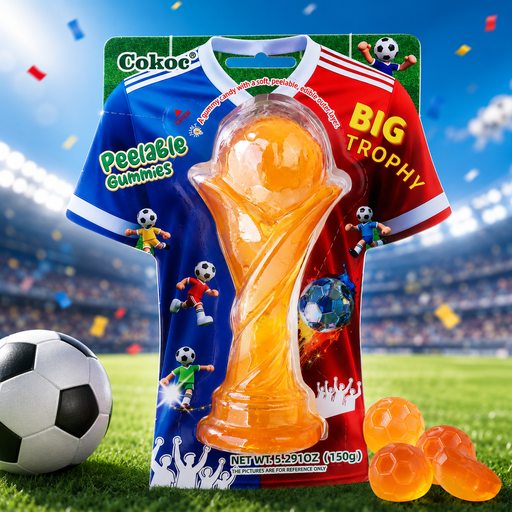
Why it suits this shopper: A clear choice for anyone looking for classic mango gummies in a 150-gram bag and wanting to compare nutritional values in advance.
The product page states the mango juice percentage, ingredients and nutritional value per 100 grams. Beef gelatine is also clearly listed.
Mango flavour, 150-gram contents and a transparent nutritional table showing 340 kcal per 100 grams.
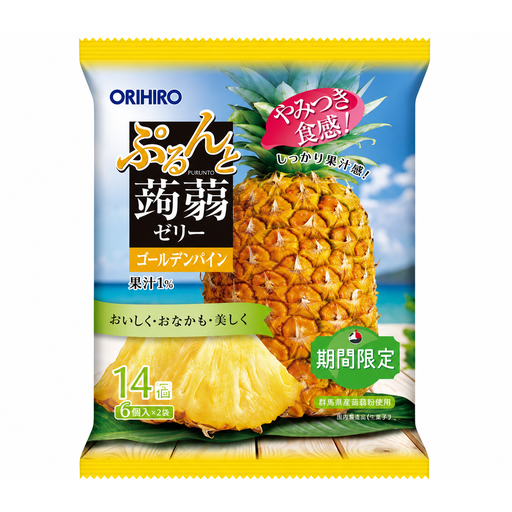
Why it suits this shopper: Ideal for fans of Japanese sweets who appreciate portion packs and a distinctive tropical pineapple flavour.
The pack contains six 20-gram portions. This makes the amount per serving clearer than with one large loose bag.
Six individual jelly portions, pineapple juice as an ingredient and 14 kcal per 20-gram portion according to the product information.
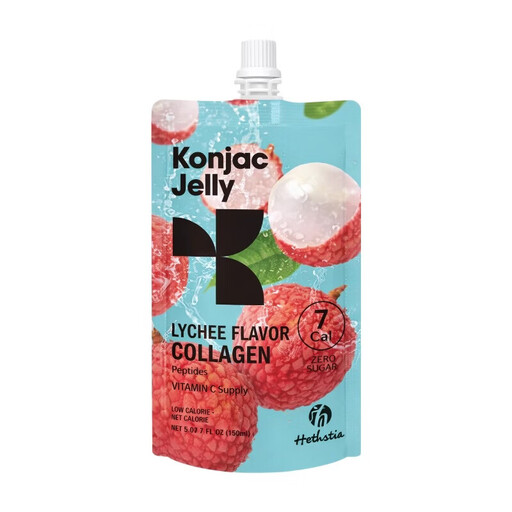
Why it suits this shopper: Suitable for anyone looking for a portable jelly pouch with lychee flavour and who considers the nutritional value per pack important.
The pouch is a single serving, and the product information lists the ingredients, allergens, storage instructions and 7 kcal per 150 grams.
Lychee flavour, a sugar-free product description, gluten-free according to the label, and ready to eat straight from the pouch.
We have put together a complete, up-to-date list of products that fully meet these strict selection criteria and the applicable European safety regulations.
Only choose products that are clearly labelled vegan and check the ingredients. According to the product information, Fruitella Vegan Dummies and Fruitella Mini are marketed as vegan. Traditional gummies can contain gelatine, even when the flavour is entirely fruit-based.
No. Check the label for each product. Some Hethstia varieties are marketed as sugar-free and low-calorie, while other Asian jelly snacks contain sugar and fructose. For example, Yuki & Love Litchi Flavoured Jellies lists 21 grams of sugar per 100 grams.
Store unopened sweets in a cool, dry place, as stated on the packaging. According to the product information, an opened konjac jelly pouch should generally be refrigerated and consumed within the stated period. Always check the best-before date, packaging and the manufacturer’s instructions.
