
Vandaag of morgen in huis

Kwaliteit gegarandeerd

Welkomstaanbiedingen ontgrendelen: GRATIS bezorging | Tot 80% korting | Gratis 30 dagen JoyPlus-proefperiode
Download de app
Anyone looking to buy gummy sweets will soon come across dozens of bags, flavours and pack sizes. A small bag of mango gummies is handy for eating on the go, while a large pack of wine gums is better suited to a birthday party or film night. However, eye-catching packaging does not tell you everything about what is inside.
Pay particular attention to these three common pitfalls:
Gummy sweets can be soft, firm, sour, sweet or filled. Classic fruit sweets and wine gums often have a firm bite. Sour sweets contain citric acid or malic acid for a fresher flavour. Products with a foam layer or soft centre, such as some Haribo sweets, offer more variety in every piece.
A peelable gummy adds an extra element of fun. With products such as mango gummies or banana gummies, you first pull away an outer layer before eating the centre. This can be fun as a treat, but is less practical when you want to hand out sweets quickly.
Do not just look at the price of a bag; check the contents too:
Also check whether the packaging can be resealed. According to the product information from various brands, gummies should be stored in a cool, dry place away from direct sunlight. Seal opened packaging properly to help prevent the sweets from drying out and losing quality.
Gummy sweets often contain glucose-fructose syrup or glucose syrup, sugar, acidity regulators, flavourings and a gelling agent. Gelatine is used in several products, but its source can vary. The products mentioned contain beef or pork gelatine, among other ingredients. This makes it important to check the ingredients if you are vegetarian, follow a halal diet or want to avoid a particular source of gelatine for other reasons.
Also look out for potential allergens. Some products may contain milk, wheat, gluten or sulphites. Allergen information can vary between flavours and product ranges. A product that is free from the 14 main EU allergens is not automatically free from all possible traces. Always read the label and the current product page.
Nutritional values vary. In the product information provided, many gummies contain approximately 300 to 380 kcal per 100 grams, with around 43 to 70 grams of sugar per 100 grams. These are product details, not advice on how much you should eat. Use the nutritional table mainly to compare packs fairly.
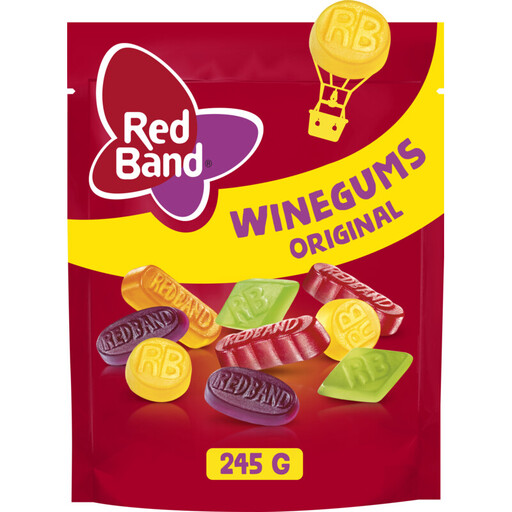
Why it suits this profile: A familiar mix of fruit and liquorice flavours in a 245-gram pack. Suitable if you are ordering gummies or wine gums online for the first time and want to try different flavours.
The quantity is large enough to share, but not as large as a bulk pack. The product information also lists the ingredients, allergen information and nutritional values.
245 g contents; fruit and liquorice flavour; according to the product information, gluten-free and free from the 14 main EU allergens.
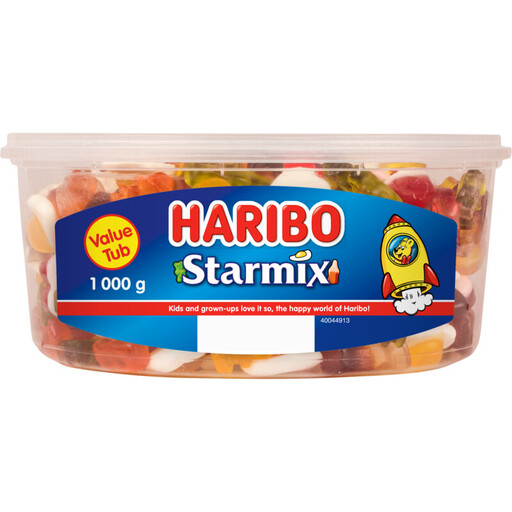
Why it suits this profile: The large tub combines multiple shapes, including hearts, rings, Happy Cola and Goldbears. A practical choice for a sweet jar, birthday party or larger group.
The mix means you do not have to buy a large quantity of just one flavour. However, check the allergens beforehand: the product information states that milk, wheat and gluten may be present.
1 kg contents; multiple sweet shapes; according to the product description, free from artificial colourings; approximately 40 portions of 25 g according to the information provided.
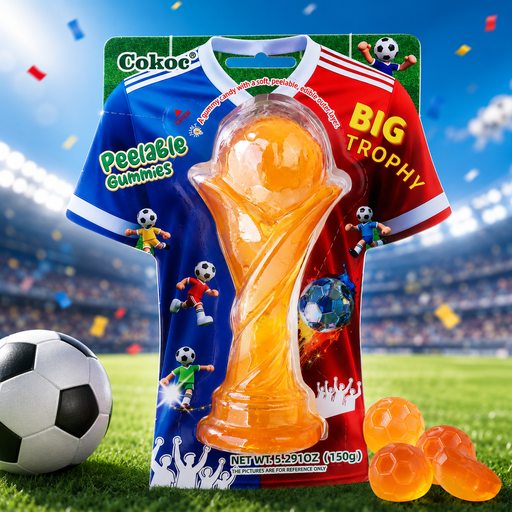
Why it suits this profile: For anyone looking for a distinctive fruit flavour and a playful eating experience. These gummies have a peelable layer and mango flavour in a 150-gram pack.
The packaging states that it contains 3.5% concentrated mango juice. This helps you put the fruit flavour into context instead of relying solely on the product name.
150 g contents; peelable gummy; 49 g of sugar per 100 g according to the nutritional information provided; contains beef gelatine.
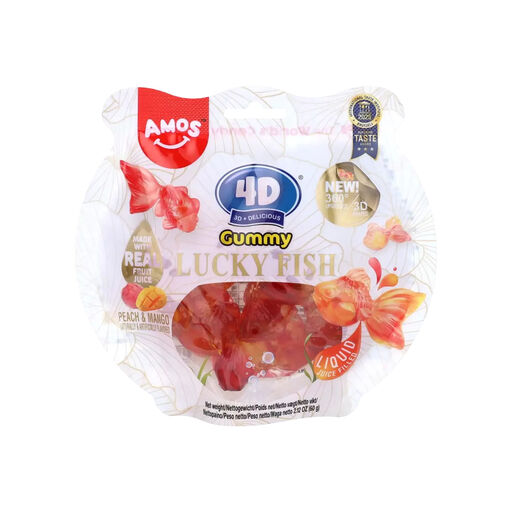
Why it suits this profile: The fish shape and combination of peach and mango are ideal for children's treats, lunch boxes or a small portion to take with you.
The bag contains 60 grams, so you do not need to buy a large bulk pack for a one-off treat. However, check the stated possible traces of milk, soya and sulphites.
60 g contents; peach and mango flavour; fish shape; 4.4% concentrated juice according to the product information.
We have put together a complete, up-to-date list of products that fully meet these strict selection criteria and the applicable European safety regulations.
For a small group, 200 to 250 grams is often a manageable amount. For a larger birthday party, event or shared sweet jar, a 1 kg pack may be more practical. A mix with multiple shapes and flavours, such as Starmix, means you do not have to buy several large bags.
The exact shelf life is stated on the packaging. Store opened gummies in a cool, dry place away from direct sunlight, in accordance with the product information. Seal the bag or tub properly and do not eat the sweets if the packaging is damaged or their smell, colour or texture has clearly changed.
Check the ingredients list for the acids used, such as citric acid or malic acid, and check the nutritional values per 100 grams. Also look out for allergens and the source of the gelatine. The term “sour” mainly describes the taste experience and says nothing about the product’s overall composition.
