
Vandaag of morgen in huis

Kwaliteit gegarandeerd

Welkomstaanbiedingen ontgrendelen: GRATIS bezorging | Tot 80% korting | Gratis 30 dagen JoyPlus-proefperiode
Download de app
Gummy sweets are popular with families, fans of Asian sweets and anyone looking for a soft, fruity treat. Yet many bags of gummies look alike. Eye-catching packaging tells you little about the texture, ingredients or whether they’re suitable for children.
Watch out for these common pitfalls:
Gummy sweets come in several types of chewy confectionery. Jelly candy is often soft and gel-like, while classic gummies offer more resistance when you bite into them. Marshmallow-style fruit gummies tend to feel lighter and airier.
Peelable gummies have a layer you can pull away or “peel”. This makes them a fun choice for a playful snack, such as at a party. Sweets with a fruit centre or several layers may be stickier than regular gummies. So, if you’re after a particular mouthfeel, check the product description.
The flavour on the front of the pack doesn’t always tell you how much fruit the product contains. The ingredients list shows whether it includes, for example, grape juice concentrate, apple concentrate, peach or mango.
Here are some differences you might come across:
A product containing fruit juice is still a sweet. So, check the nutritional information too. The sugar values in the product information provided vary, for example from 45 grams to over 80 grams of carbohydrates per 100 grams, depending on the variety.
Always check the current packaging before you buy. Some gummies contain beef gelatine, collagen or milk. Other products state that they don’t contain any of the 14 main EU allergens, but you should check this for each product.
Take extra care when buying for children:
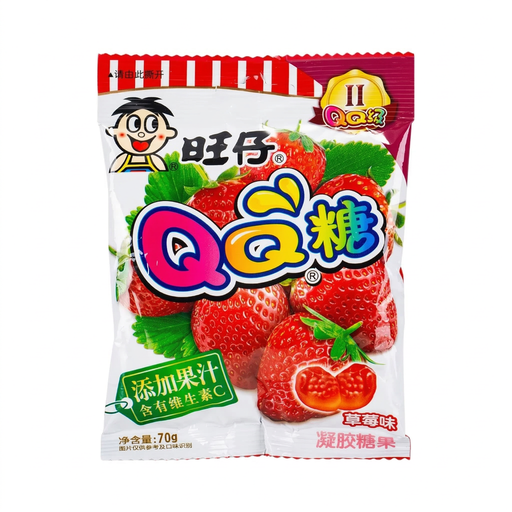
Why it suits this shopper: A handy 70 g bag for trying soft strawberry-flavoured gummies for the first time or sharing with others.
The packaging lists the contents, ingredients and nutritional information, so you don’t have to rely on the flavour image alone.
70 g per bag, a soft chewy texture and concentrated apple and strawberry juice, according to the product information.
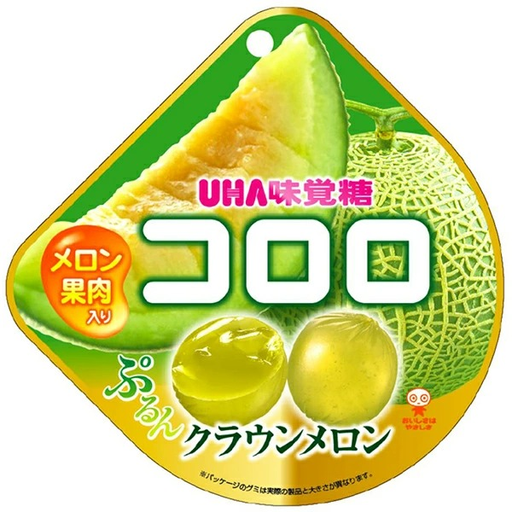
Why it suits this shopper: A distinctive Asian snack for anyone who loves an intense melon flavour and pieces of melon fruit.
The product information names specific ingredients, including melon, melon juice and pieces of melon fruit, rather than just giving a general fruit flavour.
A 40 g pack, 109 kcal per bag according to the nutritional information provided, and a distinctive soft texture.
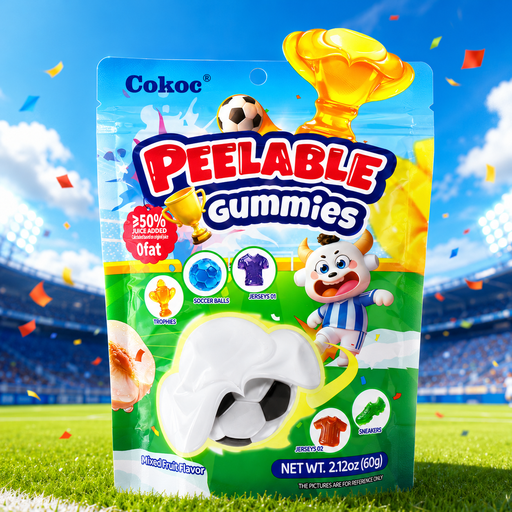
Why it suits this shopper: A handy choice for parties, treats and occasions when the shape and peeling are part of the fun.
The product description clearly lists the mixed fruit flavours, peelable texture and warnings for E102 and E129.
Football shape, 60 g pack, soft chewy texture and several fruit concentrates, including peach, mango, grape and apple.
Store gummy sweets in a cool, dry place away from direct sunlight. Heat and moisture can make sweets stick together or go hard. Seal an opened bag securely and check the best-before information on the packaging.
A larger bag is handy for sharing with family or at a party. For a lunchbox, a treat or a first taste of Asian sweets, bags of 40 to 75 grams are often easier to portion out. Always check the age guidance for children and encourage them to eat slowly.
We’ve put together a complete, up-to-date list of products that meet these strict selection criteria and current European safety regulations.
Gummies are usually elastic and take longer to chew. Jelly candy often has a softer, gel-like texture. The exact texture depends on ingredients such as gelatine, pectin, carrageenan and other gelling agents.
It depends on the product. Check the minimum age, ingredients and warnings on the packaging. Some varieties, for example, state that they aren’t suitable for young children or that an adult should supervise them.
This depends on the packaging and storage conditions. Many products recommend resealing them after opening, storing them in a cool, dry place and eating them as soon as possible. Always check the best-before information on the label.
