
Vandaag of morgen in huis

Kwaliteit gegarandeerd

Welkomstaanbiedingen ontgrendelen: GRATIS bezorging | Tot 80% korting | Gratis 30 dagen JoyPlus-proefperiode
Download de app
Soft, chewy sweets might seem easy to choose at first. But gummy products can vary widely in flavour, texture, ingredients, packaging and quantity. For example, a picture of fruit on the pack doesn’t automatically mean the sweets contain a lot of fruit. Terms such as “light”, “natural” or “with vitamin C” don’t always tell you what you most need to know either.
Use this practical buying guide to compare gummy sweets based on verifiable product information. That way, you can choose more confidently, whether you’re looking for fruit gums, fruit sweets or gummy candy to enjoy at home, on the go, at a party or during a film afternoon.
Strawberry gummy sweets, blueberry gummy sweets, grape gummy sweets and peach gummy sweets can get their fruity flavour from flavourings, concentrated fruit juice or a combination of the two. So always check the ingredients list. If sugar, glucose or maltose appears near the top, it makes up a significant part of the recipe. A picture of fruit on the packaging doesn’t prove that the sweets have a high fruit content.
Some sweets use sweeteners such as maltitol, sorbitol or sucralose. This may suit your preferences, but check the nutritional information and directions for use. A product may still contain a lot of carbohydrates. If sweets contain sweeteners, it’s also sensible to stick to the recommended amount on the packaging.
A 70 g bag, a pack of 70 g x 2 and a 145 g tub aren’t directly comparable. Divide the price by the net weight if you want to compare value. Also check whether the pack is resealable. An open bag of gummy candy may change texture more quickly when exposed to moisture or air.
If you’re looking for soft, chewy sweets, it’s worth checking the product description and ingredients. Gelatine, pectin and other thickening agents affect the firmness and mouthfeel. Gelatine isn’t automatically suitable for vegetarians. Pectin may be used in vegetarian varieties, but always check the full label.
Compare more than just the flavour name: check the description too. Want Want QQ Gummy products are available in flavours including strawberry, peach, cola, apple, grape and blueberry. Some varieties list concentrated fruit juice; others rely mainly on flavourings. That difference matters if you’re specifically looking for fruit sweets with a fruity taste.
A 70 g pack is handy for one occasion or to share with a few people. Check the amount of sugar, carbohydrates and energy per 100 g. For example, the Want Want strawberry variety lists 51.9 g of sugars per 100 g. The packaging also carries a warning about the colour E129: according to the product information, this colour may have an adverse effect on activity and attention in children.
Check the allergen information too. “No allergens listed” doesn’t mean a product is suitable in every circumstance. Check the current packaging, production-line information and any warnings about possible traces.
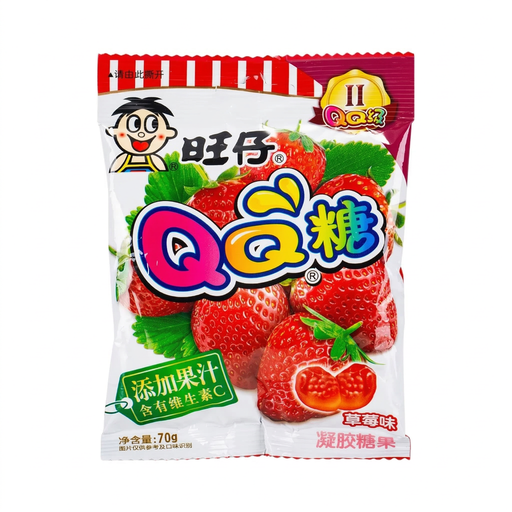
Why it suits this profile: A handy 70 g pack with a familiar strawberry flavour is a practical introduction to Asian sweets.
The net weight and nutritional information are clearly stated. Check the warning about colour E129 before giving these sweets to children.
Soft, chewy texture, strawberry flavour, 70 g net weight and ready to eat.
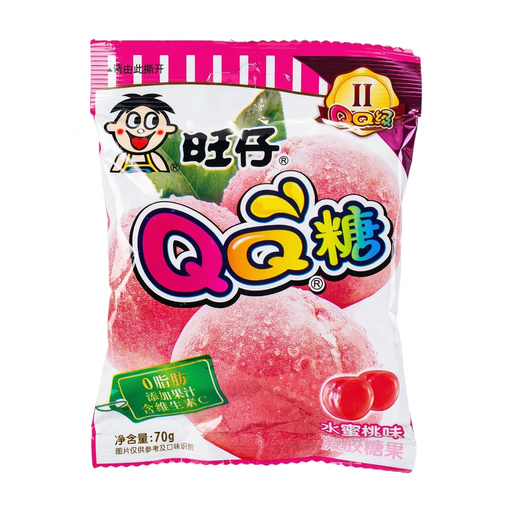
Why it suits this profile: The peach variety is a good choice if you’re after a softer, aromatic fruit flavour and like to compare product information side by side.
The description lists concentrated apple and peach juice, while the ingredients also include flavourings. This makes it easier to assess flavour claims in context.
Soft, chewy texture, peach flavour, 70 g pack and no preparation needed.
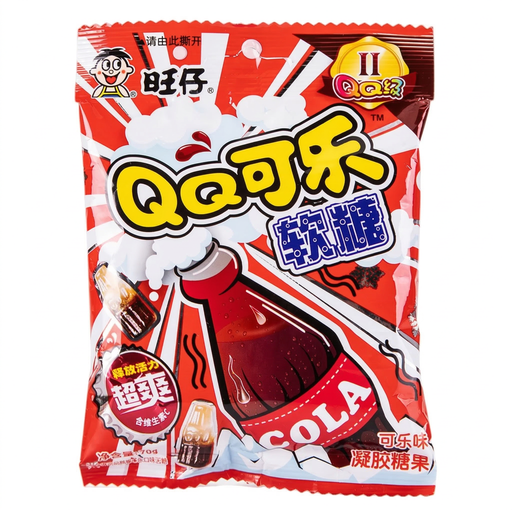
Why it suits this profile: A practical choice for cola gummy sweet fans looking for a portable pack to take on the go or share.
The packaging explains how to reseal the sweets after opening and advises consuming them as soon as possible to help prevent them hardening due to moisture.
Cola flavour, soft texture, 70 g net weight and, according to the product information, 15 mg of vitamin C per 100 g.
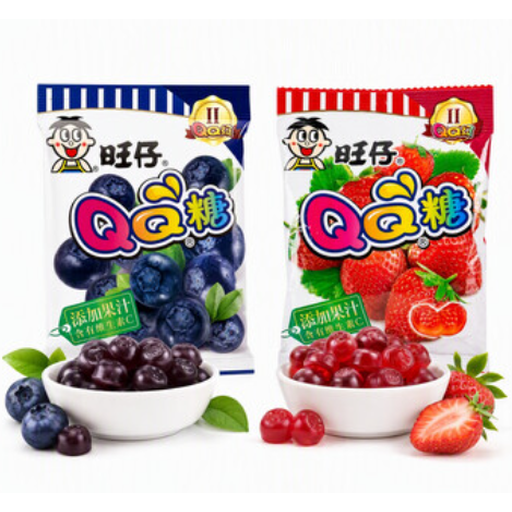
Why it suits this profile: Two flavours in one pack are handy for families, parties or anyone who likes to alternate between strawberry and blueberry.
The total weight is clearly stated: 70 g x 2. Each flavour has its own ingredients and nutritional information, so you can assess them separately.
Two 70 g packs, strawberry and blueberry flavours, ideal for sharing.
We’ve put together a complete, up-to-date list of products that meet these strict selection criteria and current European safety regulations.
Store gummy sweets in a cool, dry place away from direct sunlight, following the instructions on the packaging. Seal an opened bag or pack securely. This helps limit changes in texture caused by moisture. Check the use-by date, packaging and any warnings before eating.
Sweets are intended as a treat. For children, check the age recommendations, ingredients and colours. Product information can change, so always refer to the current packaging.
Gummy sweets is a broad term for soft, chewy sweets. Fruit gums and fruit sweets usually refer to varieties with a fruity flavour, such as strawberry, blueberry, grape or peach. The texture and ingredients vary by brand and recipe.
It depends on the recipe and how they’re stored. An opened pack may become harder when exposed to moisture, heat or air. Store the sweets in a cool, dry place, seal the pack securely and follow the advice to consume them promptly after opening.
Asian sweets sometimes have different flavour combinations, pack sizes and textures. Want Want QQ Gummy, for example, is available in flavours such as cola, peach, grape and blueberry. Always compare the ingredients, nutritional information, allergens and warnings rather than choosing based on origin alone.
