
Vandaag of morgen in huis

Kwaliteit gegarandeerd

Welkomstaanbiedingen ontgrendelen: GRATIS bezorging | Tot 80% korting | Gratis 30 dagen JoyPlus-proefperiode
Download de app
Anyone looking to buy gummy candy will quickly encounter a wide range of flavours, shapes and pack sizes. From fruit gummies and jelly sweets to Japanese candy, Korean candy, sour sweets and retro treats for gamers, the appearance does not always tell you what you are getting.
Eye-catching packaging may conceal a surprisingly small bag, for example. Terms such as “fruit-flavoured” or “juicy” can also suggest a high fruit content, even when the proportion of concentrated fruit juice is limited. Use these practical checkpoints to compare gummies based on the information provided on the label and in the product description.
Check the net weight, not just the size of the bag. A 60- or 65-gram bag works well as an individual treat or for sampling several flavours. For a movie night or party, a 125- to 180-gram pack may be more convenient.
Also pay attention to the serving size. Nutritional values are often listed per 100 grams, even though you may eat an entire bag in practice. According to the product information, for example, Cokoc Mega Trophy Gummies Mango contains 49 grams of sugar per 100 grams in a 150-gram pack. This means the total amount per bag differs from what the nutrition table may initially suggest.
Products named after fruit may consist primarily of glucose syrup, sugar, gelling agents and flavourings. Look for the stated percentage of fruit juice, fruit purée or fruit pieces.
Examples from the selection:
These percentages provide insight into the composition, but they do not automatically indicate how intense the flavour will be. Taste also depends on flavourings, texture and personal preference.
“Peelable gummies”, soft jelly sweets and gummies with a liquid or soft centre offer a different eating experience from classic wine gums. If you enjoy a satisfying chew, look for a firmer gummy. If you want to try something new, you might prefer a thin outer layer, a dual-layer texture or real fruit pieces.
Also check whether the product contains gelatine. The product information provided includes beef gelatine, pork gelatine and collagen. Anyone following a vegetarian diet, looking for a halal option or avoiding certain animal-derived ingredients should check the full label. Do not rely solely on the product name or packaging.
Choose the pack size based on when and how you plan to enjoy the candy:
After opening, several product descriptions recommend sealing the packaging securely and storing it in a cool, dry place away from direct sunlight. A resealable pack, such as the one used for the listed UHA Kororo Muscat, can be particularly practical.
Always check the current packaging. Product information can change, and the physical label takes precedence. Pay particular attention to:
The product information for Cokoc Mega Trophy Gummies Mango and Cokoc Peelable Gummies Football states that E110 and E102 may have an adverse effect on activity and attention in children. ENNJOI SourMeow Grapefruit carries a similar warning for E102. This is a statutory labelling warning, not a medical assessment of the product.
Gummy candy is a treat. If you are comparing several bags, it is therefore worth checking the nutritional values. The figures in the product information vary considerably. Nerds Gummy Clusters, for example, lists 70 grams of sugar per 100 grams, while Powerbeärs Tetris Fruit Gum lists 43 grams per 100 grams.
Flavour profiles also differ significantly:

Why This Fits Their Persona: A compact bag for trying peelable gummies and mixed fruit flavours without committing to a large supply.
The net weight is clearly stated as 60 grams, and the product description mentions apple, strawberry and mango concentrate.
Peelable texture; mixed fruit flavour; 0 grams of fat per 100 grams according to the stated nutritional information.
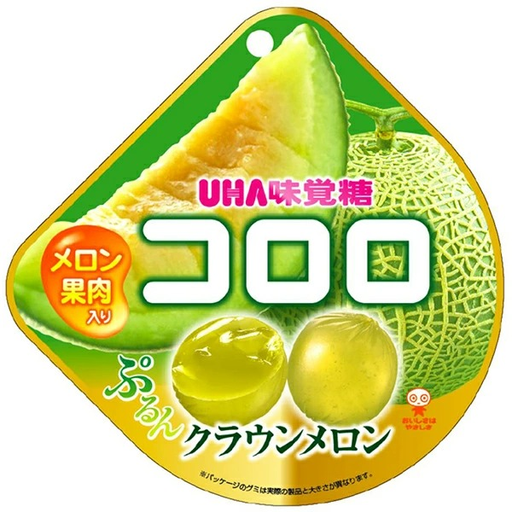
Why This Fits Their Persona: For anyone looking for Japanese candy with a softer, fruit-forward bite and pieces of cantaloupe.
The product description specifically mentions the cantaloupe pieces and the soft, chewy texture.
40 grams; cantaloupe and concentrated apple juice listed among the ingredients; made by UHA Umeya.
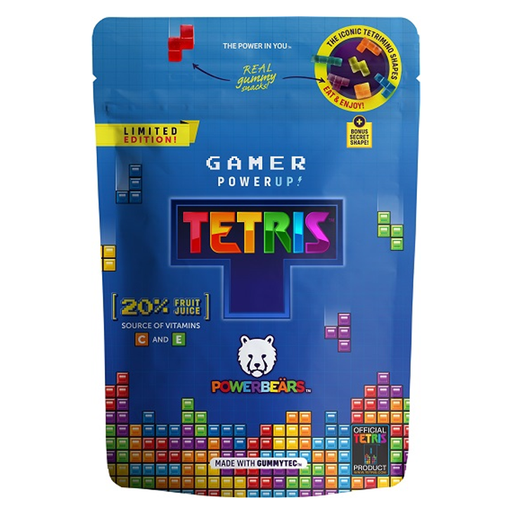
Why This Fits Their Persona: The Tetris shapes are a natural fit for gaming nights, retro-themed gifts and treats made for gamers.
The themed shape is clearly described, and the 125-gram bag size is stated.
Eight listed fruit flavours; Tetris shapes; 20% apple juice according to the product information.
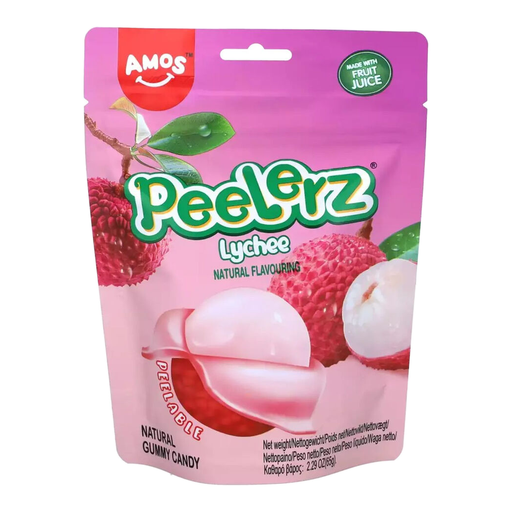
Why This Fits Their Persona: A small bag with a playful way to enjoy it: peel away the lychee-style outer layer first, then eat the soft centre.
The two-layer construction and 9.3% concentrated fruit are explicitly stated in the product description.
65 grams; lychee and apple juice concentrate; may-contain statement for milk and sulphites.
Explore a current selection of fruity chewy candy and compare flavours, pack sizes, textures and themes based on the available product information.
For a party, a candy mix featuring several textures works particularly well: combine classic gummies with sour sweets, fruit chews and jelly candy. For a gift, choose a recognisable theme such as Pac-Man, Tetris or Sanrio. According to its description, Jelly Candies Fandom Snacks Pac-Man contains multiple fruit flavours and is aimed at retro fans.
Fans of Korean candy may want to consider SEOJU Sanrio Tang Tang Peach Candy. The product information lists white peach, grape and apple concentrate, as well as beef gelatine. For a sour option, Look-O-Look Sour Strawberry Mats and Bebeto Sour Blast Happy Raspberry are logical categories to compare. For both products, pay attention to the stated wheat content and any other allergens.
Gummy candy is generally elastic and chewy because of gelling agents such as gelatine or pectin. Jelly candy may feel softer or more moist and is sometimes made with konjac powder or carrageenan. The precise texture depends on the ingredients and product format.
Follow the storage instructions on the packaging. In most cases, gummies should be kept tightly sealed in a cool, dry place away from direct sunlight, heat and moisture. A resealable bag helps prevent them from drying out. Check the best-before information before eating, and do not use a pack if it is damaged.
Review the ingredients list, allergens, source of gelatine and any colour-related warnings. Also check the sugar content per 100 grams and the pack size. If in doubt, choose a product with complete, up-to-date information that is clearly legible on the label.
