
Vandaag of morgen in huis

Kwaliteit gegarandeerd

Welkomstaanbiedingen ontgrendelen: GRATIS bezorging | Tot 80% korting | Gratis 30 dagen JoyPlus-proefperiode
Download de app
Ground coffee may seem simple to choose: select a brand, pay and brew a cup at home. Yet many disappointments are caused by the wrong grind, an overly dark roast or packaging that quickly loses its aroma after opening. If you only look for words such as “strong”, “premium” or “intense”, you still do not know whether the coffee is suitable for your machine.
In this buying guide from the Joybuy Product Recommendation Officer, we compare the key properties of ground coffee. This makes it easier to find filter coffee, coffee for a French press, Italian coffee or an international variety for traditional brewing methods.
A fine grind behaves differently from a coarse grind. Filter coffee is usually intended for a filter machine, while coffee for a French press should be coarser. If you use coffee that is too finely ground in a French press, the drink may become heavy or cloudy. A coarse grind in a standard filter machine can produce a weaker cup.
So do not just check whether the packaging says “ground coffee”. Also check whether the coffee is suitable for filter, French press, moka, espresso or Turkish coffee.
A dark roast often produces a bold, roasted flavour, but on its own it does not tell you exactly how much caffeine the coffee contains. The bean blend, dosage and brewing method also play a part. Robusta is often associated with a more intense flavour, while Arabica generally has softer, more aromatic notes. These are general product characteristics, not a guarantee of how every individual coffee will taste.
A 500 g or 1 kg pack may seem attractive when calculated per gram. However, if you only drink coffee occasionally, the ground coffee will remain open for longer. Light, heat, moisture and air can affect its aroma. If you use coffee less frequently, choose a 250 g pack or divide a larger pack immediately between airtight, dark storage containers.
Start by considering your brewing method:
A practical starting dosage for filter coffee is around 7 grams per cup, as stated for various Douwe Egberts products. You can then adjust the amount to suit your own taste.
Arabica coffee is often known for aromatic, fruity or floral notes. Robusta coffee generally has a fuller character and is regularly used in blends for a bold cup. A blend of Arabica and Robusta can offer a middle ground between aroma, body and intensity.
Check the ingredients label. Does it say 100% Arabica, Arabica and Robusta, or simply “ground coffee”? This information can be verified and is more useful than a general flavour term on the front of the pack.
A medium roast can deliver a balanced flavour, while a dark roast often has more roasted and spicy notes. Your preference depends on your brewing method and whether you drink black coffee, milky drinks or coffee with sugar.
Also check:
After opening, store ground coffee somewhere cool and dry, away from direct sunlight. Seal the packaging securely and do not use a product if its packaging is damaged.
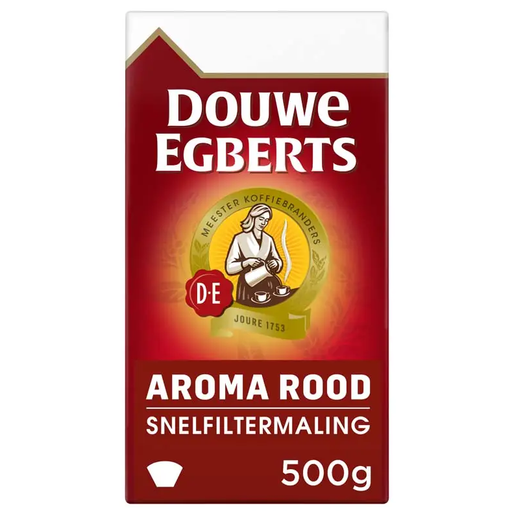
Why it suits this profile: A familiar choice for everyday use with a filter machine, French press, AeroPress, percolator or Chemex. The 500 g pack is practical for households and offices that brew coffee regularly.
The product information specifies the suitable brewing methods and a medium roast. This means you do not have to rely solely on the term “strong coffee”.
A smooth flavour according to the product description, 500 g of coffee and broad compatibility with several filter methods.
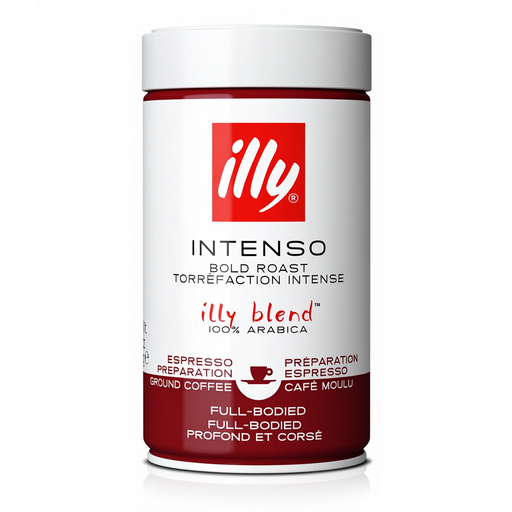
Why it suits this profile: Suitable for anyone looking for 100% Arabica and using different methods, such as espresso, moka, filter and cold brew. The 250 g pack limits the amount of coffee left open after opening.
According to the product information, the blend is 100% Arabica and the recommended grind varies depending on the brewing method. This makes the choice more specific than simply relying on an intensity label.
100% Arabica, protective packaging and 250 g of coffee. The product description states a caffeine content of no more than 1.5%.
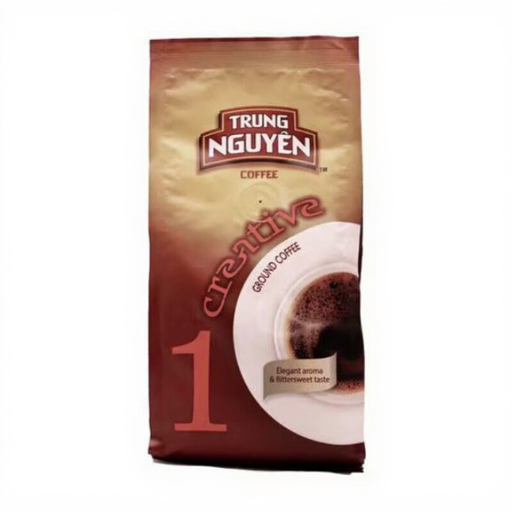
Why it suits this profile: According to the product information, this Vietnamese coffee uses Culi Robusta beans and is intended for a dark, bold cup. It is well suited to fans of Vietnamese iced coffee with sugar and milk.
The bean variety and preparation suggestion are clearly described. You can therefore choose Robusta and a pronounced flavour deliberately, rather than relying on an unclear claim of “extra strong”.
Culi Robusta, a chocolatey flavour according to the product description, and suitable for hot or cold preparation. Contents: 250 g.
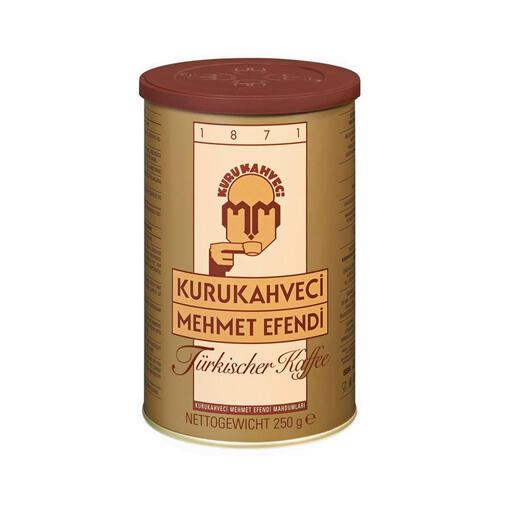
Why it suits this profile: For anyone who wants to prepare Turkish coffee using a traditional method. The product information states that it contains 100% Arabica beans and has a very fine grind.
The coffee is specifically described as Turkish coffee. This means the fine grind is suited to preparation in a cezve or ibrik, rather than in a standard filter machine.
100% Arabica according to the label, 250 g of coffee and packaging that, according to the product description, helps preserve aroma and freshness.
We have put together a complete, up-to-date list of products that fully meet these strict selection criteria and the applicable European safety regulations.
Choose a product labelled filter coffee, filter grind or filter machine. Douwe Egberts Aroma Red Filter Coffee and Lavazza Qualita Rossa are examples of products intended for filter brewing according to their product descriptions. Also pay attention to the dosage and adjust the amount if the coffee tastes too weak or too strong.
The exact shelf life is stated on the packaging. After opening, the quality is generally better preserved if you store the coffee in an airtight container somewhere cool and dry, away from sunlight and strong odours. Choose a 250 g pack if you use coffee slowly, and always seal a larger pack carefully.
It depends on the brand, pack size and how you use it. Ground coffee is ready to use in a filter machine, French press or traditional brewing method, so you do not need a grinder. Coffee beans offer greater flexibility in terms of grind, but require additional equipment and time. Compare the price per 100 grams as well as the amount you actually use.
