
Vandaag of morgen in huis

Kwaliteit gegarandeerd

Welkomstaanbiedingen ontgrendelen: GRATIS bezorging | Tot 80% korting | Gratis 30 dagen JoyPlus-proefperiode
Download de app
A pack of ground coffee may seem straightforward to choose. However, there are clear differences in grind, roast, bean variety, packaging and brewing advice. If you focus only on the brand name or phrases such as “rich aromas”, you may end up with coffee that tastes too bitter, loses its aroma quickly or is unsuitable for your coffee machine.
The main pitfalls are:
For a standard filter machine, you generally need ground filter coffee. The grind allows water to pass through the coffee at an even rate. If the coffee is too fine, the water may pass through slowly, resulting in a harsher, more bitter flavour. If the grind is too coarse, the coffee may taste watery.
So check the usage information:
A product suitable for several methods, such as Trung Nguyen Creative Ground Coffee No4, can be practical if you use different brewing methods at home. However, always check the product packaging and the manufacturer’s instructions.
Arabica coffee is often described as aromatic and refined, while Robusta coffee generally has a more powerful profile. These are broad characteristics, not a guarantee of a particular flavour. Origin, blend, roasting and preparation also affect the result.
Dark-roasted coffee usually has a pronounced, roasted character. This may suit fans of strong coffee, but if you prefer a milder cup, it may be better to look for a medium roast or an Arabica blend.
In particular, check:
When a brand makes specific flavour or preparation claims, treat them as information provided by the brand itself. According to Lavazza Qualità Rossa’s own product description, selected Arabica and Robusta beans create aromas with notes of chocolate and dried fruit. This is a product description, not a guaranteed result for every coffee drinker.
A 250 g pack of coffee is suitable if you like to switch between flavours regularly or drink coffee on your own. For a household or office, 500 g may be more practical. As a guide, allow around 7 grams per cup for filter coffee, as stated on various product packages. The actual amount depends on the cup size and your preferred strength.
Also look for:
If you are looking for decaffeinated coffee, check that “decaffeinated” is clearly stated on the label. According to its own product description, Douwe Egberts Coffee Decaf is sold as decaffeinated. Always check the current packaging when buying, particularly if you want to limit caffeine for personal reasons.
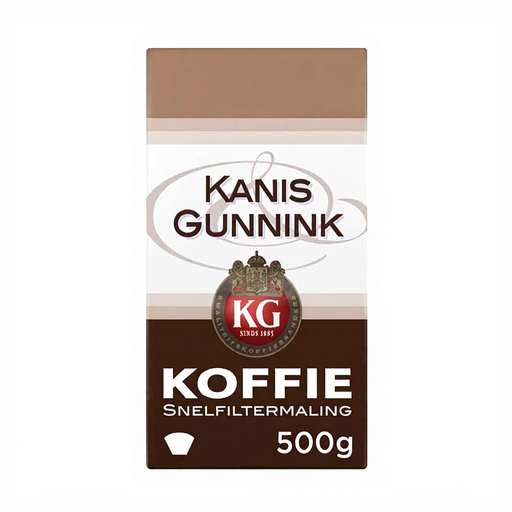
Why it suits this profile: The 500 g pack is convenient for daily use in a household with a filter machine. The product description states that it has a fine grind and lists coffee beans as an ingredient.
The stated filter grind helps prevent you from accidentally buying espresso or cafetière coffee for a standard filter machine.
500 g quantity; fine grind; according to the product information, none of the 14 major EU allergens.
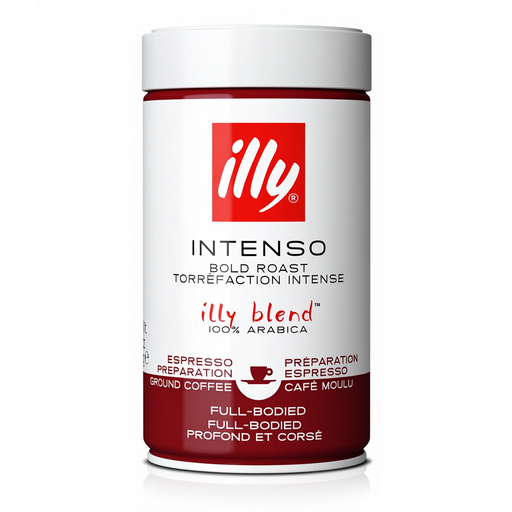
Why it suits this profile: This is 100% Arabica coffee in a 250 g tin. According to the product information, it is suitable for espresso, moka, filter and cold brew, depending on the grind and preparation method selected.
The protective tin limits exposure to air and light after opening more effectively than an ordinary loose bag, provided the tin is closed properly.
100% Arabica; dark roasted; according to the product information, caffeine content no higher than 1.5%.
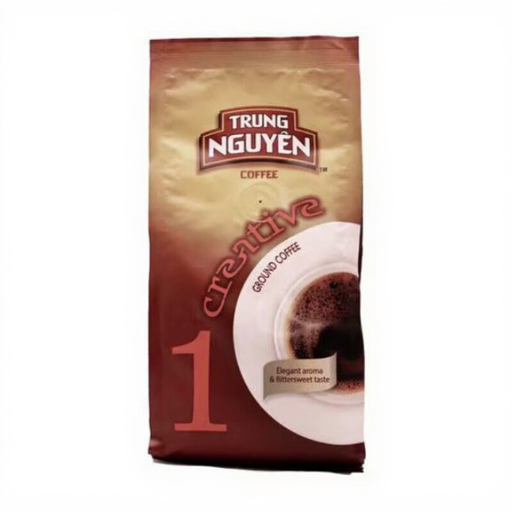
Why it suits this profile: According to the product description, this Vietnamese coffee is made from Culi Robusta beans and has a dark, powerful flavour. It is a good match for fans of strong coffee and Vietnamese iced coffee.
The bean variety and recommended uses are clearly stated. This allows you to make an informed choice rather than relying solely on the word “intense”.
Arabica and Robusta blend; 250 g pack; according to the product information, suitable for filter, French press and espresso.
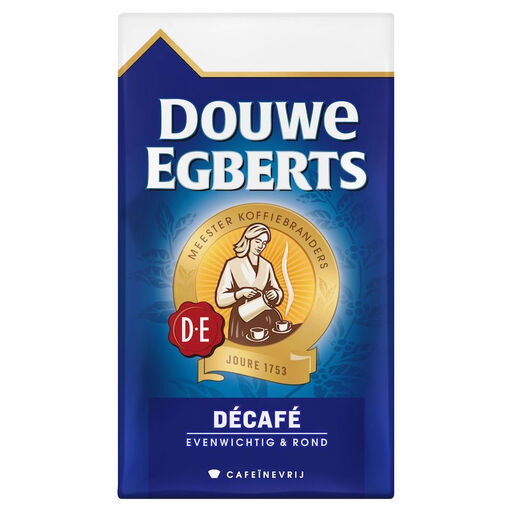
Why it suits this profile: According to the product information, this ground coffee is decaffeinated and suitable for filter machines, French press, AeroPress, percolators and Chemex.
The decaffeinated quality is explicitly stated in the product information. Nevertheless, check the current packaging and brewing instructions when your order arrives.
250 g pack; medium roast; suitable for several filter and manual brewing methods.
We have put together a complete, up-to-date list of products that fully meet these strict selection criteria and the applicable European safety regulations.
Ground coffee gradually loses its aroma after opening through contact with air, heat, moisture and light. Store the pack:
It is better to buy an amount you will use within a few weeks. A 250 g pack offers greater flexibility, while 500 g is better suited to daily use by several people.
Choose coffee labelled filter coffee, “quick filter” or “suitable for filter machine”. Also pay attention to the grind. Products such as Kanis & Gunnink Quick Filter and Douwe Egberts Aroma Rood Filter Coffee are intended for filter brewing according to their product information.
A practical guideline is around 7 grams per cup. Use a little more for a stronger flavour and a little less for a lighter cup. Also consider the capacity of your cup: a large mug requires more water and often more coffee than a small coffee cup.
This depends on the packaging, storage conditions and the best-before information on the label. For a consistent flavour, it is best to seal an opened pack carefully and use it within a few weeks. Discard the coffee if the packaging is damaged or if its smell and appearance have changed noticeably.
