
Vandaag of morgen in huis

Kwaliteit gegarandeerd

Welkomstaanbiedingen ontgrendelen: GRATIS bezorging | Tot 80% korting | Gratis 30 dagen JoyPlus-proefperiode
Download de app
A pack of ground coffee may seem simple to choose. Yet many consumers end up with coffee at home that is unsuitable for their machine, loses its aroma too quickly or tastes different from expected. Marketing terms such as “rich”, “intense” and “Italian espresso” do not always tell you whether the coffee is right for your preferred brewing method.
Pay particular attention to these three common pitfalls:
The brewing method determines which grind is suitable:
Packaging that only says “ground coffee” does not always provide enough information. Check whether the product is suitable for filter coffee, French press, espresso or a traditional brewing method.
Arabica coffee is often known for its smoother, more aromatic flavour profile. Robusta coffee generally has a stronger character and, according to product information, often contains more caffeine. With an Arabica and Robusta blend, the ratio is not always stated. Check the ingredients list and product description for details.
The roast is also important:
A brand’s claim about flavour or effect is not a guaranteed result for every user. A brand’s own research may refer to particular aromas or flavour notes, but your experience also depends on the water, dosage, equipment and brewing time.
Once opened, ground coffee reacts to air, light, heat and moisture. A resealable or protective pack can be practical, but no packaging can replace proper storage.
Keep these points in mind:
For daily use by a family or office, 500 g of coffee may be a sensible choice. If you only drink a few cups a week, 250 g of coffee helps you finish the pack more quickly. The price per gram is not the only factor: waste caused by loss of aroma matters too.
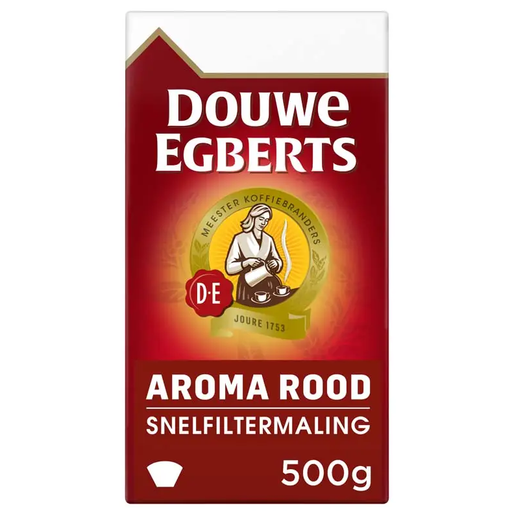
Why it suits this profile: The 500 g pack is suitable for households or small offices that regularly make filter coffee. The product information states that it has a medium roast, an intensity rating of 05 on a scale from 01 to 09, and can be used with, among other things, a filter machine and French press.
The brewing information makes it clear that this product is intended for filter brewing. This reduces the risk of choosing an espresso grind for a standard filter machine.
500 g; medium roast; suitable for filter machine, French press, AeroPress, percolator and Chemex.
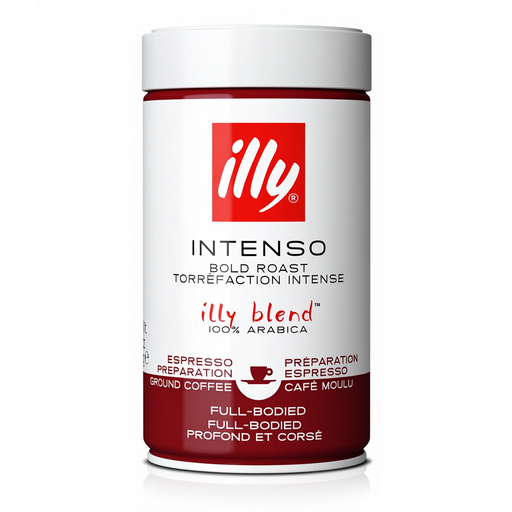
Why it suits this profile: According to the product information, this coffee is made from 100% Arabica and comes in a tin with a protective atmosphere. Depending on the brewing method, the grind can be used for espresso, moka, filter coffee and cold brew.
The product details state both the bean type and the blend’s maximum caffeine content. This provides more useful guidance than a general term such as “intense” alone.
100% Arabica according to the label; 250 g; protective packaging; suitable for several brewing methods.
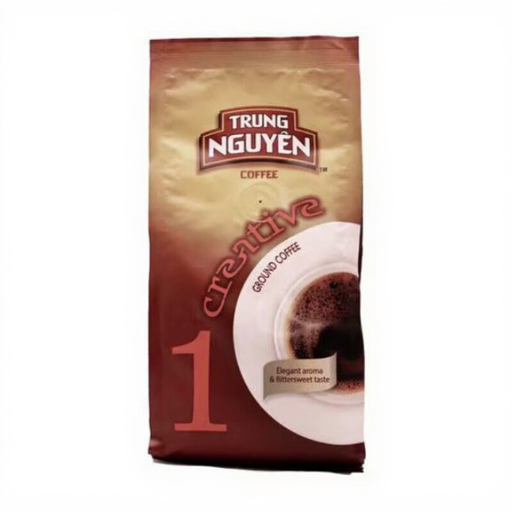
Why it suits this profile: According to the label, this Vietnamese coffee uses Culi Robusta beans. The description refers to a dark, powerful flavour and says it can be used for hot or iced coffee, including Vietnamese coffee.
The bean type and suggested use are clearly stated. If you are sensitive to caffeine, check the caffeine information on the current packaging.
250 g; Culi Robusta according to the product information; suitable for hot and cold preparation; may contain traces of milk ingredients.
If you are looking for decaffeinated coffee, consider Douwe Egberts Decaf Ground Coffee. The product information states that this coffee is intended for filter machines, French presses, AeroPress, percolators and Chemex. Always check the label on decaffeinated coffee: “decaffeinated” does not automatically mean that it contains no caffeine residue at all.
For Turkish coffee, an ordinary filter grind is not suitable. According to the product description, Kurukahveci Turk Kahvesi Coffee is ground extremely finely and intended for traditional preparation. According to the label, Najjar Cardamom Coffee combines Brazilian Arabica with cardamom and is also intended for use in a cezve or ibrik.
If you want to make cappuccino, pay attention to the difference between ground coffee and an instant mix. Products such as Trung Nguyen Legend Cappuccino Hazelnut and g'woon Cappuccino contain, among other things, milk ingredients, creamer, sugar and instant coffee. They are therefore not the same as pure ground coffee for an espresso machine.
We have put together a complete, up-to-date list of products that fully meet these strict selection criteria and the applicable European safety regulations.
Choose filter coffee with a medium grind. Products such as Douwe Egberts Aroma Red, Kanis & Gunnink Quick Filter and Lavazza Qualita Rossa are linked to filter brewing in the product information. Also follow the recommended dosage on the packaging, or start with around 7 g per cup and adjust the flavour to suit your preference.
This depends on the packaging, storage conditions and how often you open the pack. Seal ground coffee immediately after use and store it in a dry, dark place in a tightly closed container. A smaller pack, such as 250 g of coffee, may be more practical if you do not drink much coffee.
You can, provided the grind is suitable for your espresso machine. To make a cappuccino, first brew an espresso and then add frothed milk. Instant cappuccino or mocha mixes are a different product category: they often contain sugar, milk powder or creamer and are prepared with hot water. Always check the label and preparation instructions first.
