
Vandaag of morgen in huis

Kwaliteit gegarandeerd

Welkomstaanbiedingen ontgrendelen: GRATIS bezorging | Tot 80% korting | Gratis 30 dagen JoyPlus-proefperiode
Download de app
Ground coffee may seem simple to choose: select a brand, a pack size and a flavour description. Yet small differences in grind size, roast profile and brewing method can have a major effect on the coffee in your cup. A fine grind for a filter coffee machine, for example, can result in a slow flow and bitter taste, while a grind that is too coarse may produce a watery cup.
As a Joybuy Product Recommendation Officer, I focus primarily on verifiable information on the label and in the product description. This helps you avoid paying solely for marketing language and choose more deliberately for home, office or on-the-go use.
Medium-roast coffee is often described as smooth and balanced. Dark-roast coffee generally has a more powerful, roasted flavour profile. That does not automatically mean it contains more caffeine, nor that every dark roast tastes the same. Also check the ingredients, recommended brewing method and any intensity scale.
Not every ground coffee is suitable for every brewing method. Finely ground filter coffee is intended for many traditional filter machines, while a coarser grind may be better suited to a French press, percolator or certain slow-coffee methods. Check whether the packaging describes the coffee as quick filter, filter grind, coarse grind or suitable for pour-over.
A product offered only as whole beans still needs to be ground. That is not the same as ready-to-use ground coffee.
A 1,000-gram pack can be cost-effective if you brew several cups every day. For a smaller household, 250 grams may be more practical because the pack will remain open for less time. Store coffee according to the product instructions: cool, dry, sealed and away from direct sunlight. Always check the shelf-life information on the packaging as well. The date may vary from one batch to another.
For coffee intended for a filter coffee machine, the grind size is the first thing to check. With drip coffee and pour-over, water is usually allowed to pass slowly through the grounds. A medium to fine filter grind is often a practical choice. Drip bags, such as KEY COFFEE KEY DOORS+ Drip On Special Blend, already include an integrated filter and are designed to hang directly over a cup.
A coarser grind is generally used for a French press. Do not automatically choose a product labelled only “ground coffee”; look for specific information about the recommended brewing method.
Arabica coffee is often associated with a smoother, more aromatic profile. Robusta coffee can, according to product descriptions, provide a more robust character. A blend combines both varieties. The proportions are not always shown on the front of the pack, so check the ingredients list.
According to the product description, g’woon Red Brand Filter Coffee uses a blend of Arabica and Robusta beans. Some products specify 100% Arabica instead, including several drip bags and Lavazza Qualità Oro Montain.
Choose a size that matches your consumption:
For coffee capsules and pods, also check compatibility. A capsule for a Nespresso system is not automatically suitable for a Dolce Gusto machine. Always verify the exact system specification on the product page and packaging.
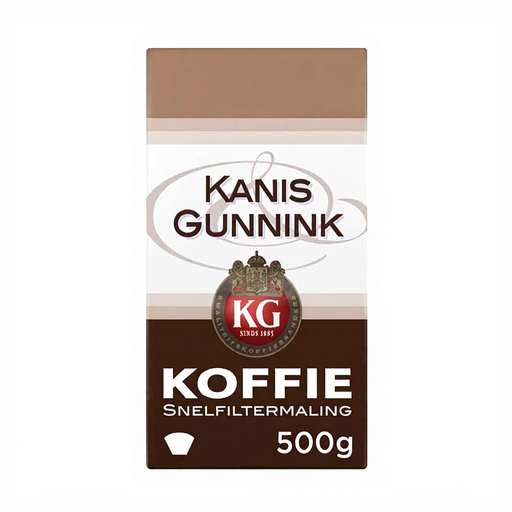
Why it fits: A 500-gram pack is practical for everyday use in a traditional filter coffee machine, at home or in the office. The product description specifies a fine grind.
The brewing method and grind size are stated clearly, so you are less reliant on broad terms such as “rich” or “aromatic”.
500 g contents; fine grind; according to the product information, free from the 14 major EU allergens.
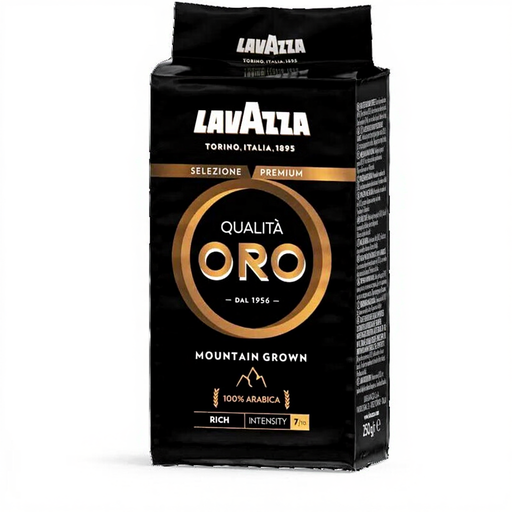
Why it fits: If you are looking for a smaller pack and 100% Arabica, this ground coffee for filter brewing is worth considering. The product description highlights fruity and floral notes.
The composition is clearly stated: 100% Arabica. This makes the choice based on a product specification rather than packaging language alone.
100% Arabica according to the label; 250 g pack; packed under a protective atmosphere according to the product information.
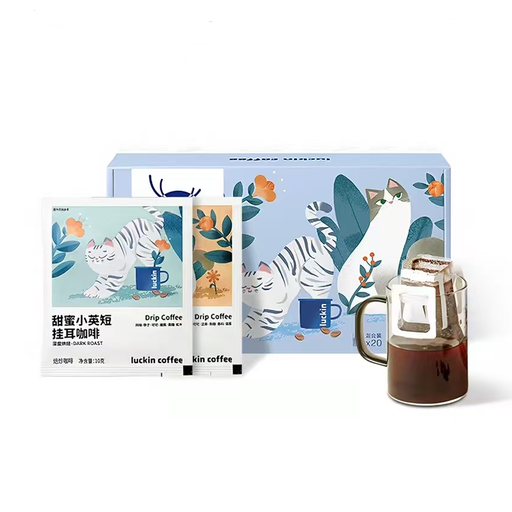
Why it fits: Drip bags do not require a coffee machine. Hang the filter over a cup and slowly pour hot water over the coffee in small amounts.
Each portion is pre-measured at 10 g per drip bag. This eliminates guesswork when brewing without a measuring scoop.
20 individual sachets; 100% Arabica according to the product description; recommended brewing temperature of around 90 °C.
Browse a current selection of aromatic filter coffees and compare grind size, pack format, composition and brewing method before placing your order.
When brewing filter coffee, use a consistent ratio as your starting point. Douwe Egberts specifies approximately 7 grams of coffee per cup for various products. Adjust the amount afterwards to suit your taste. For pour-over, first pour a small amount of hot water over the coffee and wait briefly before continuing; some product brewing instructions refer to this as blooming.
Store opened coffee in an airtight container. Do not place the pack next to a hob, radiator or window. For international products, such as Vietnamese coffee, cardamom coffee or a blend containing Robusta, it is advisable to check the allergen information again. For example, the Trung Nguyen product description states that one variant may contain traces of milk.
Choose a product labelled filter grind, quick filter or filter coffee grind. Also check the recommended brewing methods. According to the product description, a coarsely ground variant may be better suited to a French press or percolator than to a standard filter machine.
This depends on the packaging, storage conditions and shelf-life information on the label. Reseal the pack carefully and store it in a cool, dry place. If you drink only a few cups per week, it is generally better to buy a smaller pack.
That depends on the brand, pack size and how much you consume. Ground coffee often offers greater flexibility in terms of dosage and brewing method. Capsules and pods are portioned for convenience but require a compatible machine. Compare the cost per cup rather than the pack price alone.
