
Vandaag of morgen in huis

Kwaliteit gegarandeerd

Welkomstaanbiedingen ontgrendelen: GRATIS bezorging | Tot 80% korting | Gratis 30 dagen JoyPlus-proefperiode
Download de app
The aroma of fresh coffee in the morning is a cherished ritual for many. Yet, the search for the perfect ground coffee can often feel unnecessarily complex. With packaging making lofty promises and a vast array of options, making a choice is tough. This guide will help you see through the marketing hype and select a coffee that suits your taste and coffee maker.
Before you add a pack of coffee to your basket, it's wise to be aware of a few common pitfalls:
To avoid these pitfalls, there are a few objective specifications you can check. These are almost always listed on the packaging.
The grind size determines how quickly water flows through the coffee, and therefore how much flavour is extracted. The wrong grind is the quickest way to a failed cup of coffee.
Besides the grind, the beans used and the roasting method are decisive for the final taste in your cup.
To get you started, we've matched some popular choices with different preferences.
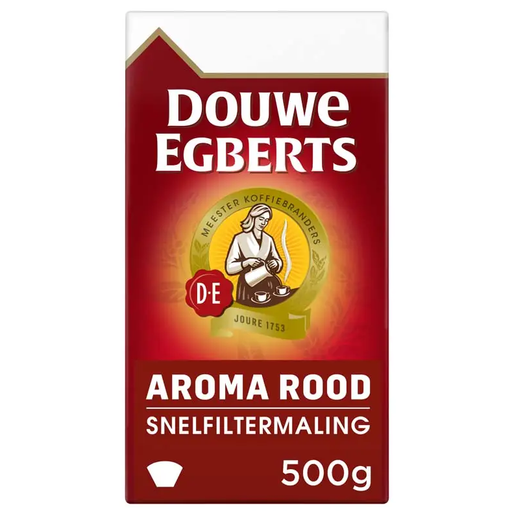
Why This Fits Their Persona: For those who love a familiar, comforting daily cup. No fuss, just a good, consistent coffee that delivers every time.
This is a classic fine/drip grind, making it perfect for standard filter machines. The flavour is round and balanced (intensity 5/9), which minimises the risk of a flavour mismatch.
A reliable, harmonious flavour that never gets old. Suitable for almost any time of day.
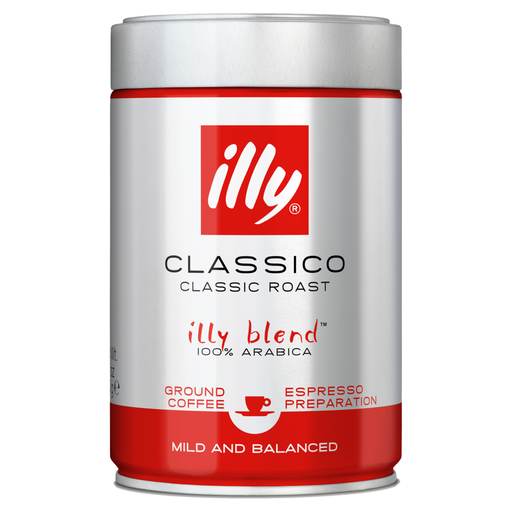
Why This Fits Their Persona: For those who want to brew an authentic Italian espresso at home with a moka pot or semi-automatic machine and seek refined, consistent quality.
This product is explicitly an espresso grind, which immediately avoids the pitfall of using the wrong grind size. The iconic packaging and brand name guarantee a specific taste experience.
According to the manufacturer, it consists of a 100% Arabica blend. The coffee is packaged in a protective atmosphere in the famous can, which helps preserve the aromas.
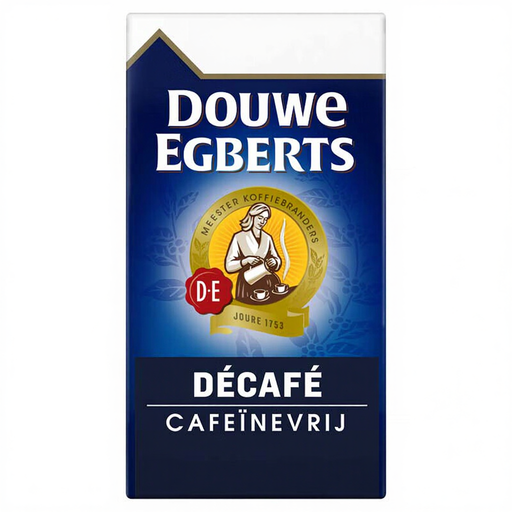
Why This Fits Their Persona: For the coffee lover who wants to enjoy a cup at any time of day, even in the evening, without the effects of caffeine.
This is clearly a decaffeinated coffee (or decaf). It offers the familiar taste of Aroma Rood, so you know exactly what you're getting, but without the caffeine.
According to the manufacturer, this coffee has the same full and rich flavour as the regular version. Its fine/drip grind makes it suitable for most filter machines.
We have compiled a complete, real-time list of products that fully satisfy these strict selection criteria and UK safety regulations.
The difference lies in the size of the ground coffee particles. A fine/drip grind is fine and intended for paper filters in a standard drip coffee maker. Water flows through it relatively quickly. Coarse grind coffee has larger particles and is suitable for brewing methods with a longer contact time, such as a French press. The coarse texture prevents sediment from ending up in your coffee and stops the flavour from becoming too bitter.
Oxygen, light, and moisture are the greatest enemies of fresh coffee. After opening, store ground coffee in its original packaging, folded tightly and sealed with a clip. Place the entire package inside an airtight, opaque container in a cool, dark place. The refrigerator is often not recommended, as coffee can absorb odours from other products and condensation can form. Try to use the coffee within two weeks of opening.
This is not recommended. An espresso grind is so fine that it can clog a paper filter in a standard drip machine. This causes the water to flow through too slowly, or not at all, resulting in over-extracted, bitter coffee and a potentially overflowing filter. For a drip machine, always use filter coffee with a fine/drip grind.
