
Vandaag of morgen in huis

Kwaliteit gegarandeerd

Welkomstaanbiedingen ontgrendelen: GRATIS bezorging | Tot 80% korting | Gratis 30 dagen JoyPlus-proefperiode
Download de app
Choosing a bag of ground coffee seems simple. Yet many consumers end up with coffee that does not suit their coffee maker, taste or consumption habits. Packaging often uses terms such as “intense”, “Italian” or “aromatic”, but these words do not always tell you enough about the grind, composition or preparation method.
So always focus on verifiable product information. This helps you avoid three common buying mistakes:
For standard coffee for a filter coffee maker, a fine to medium-coarse grind is common. The coffee then flows gradually through the filter. A coarser grind is generally better suited to a cafetière, so fewer coffee particles end up in the cup.
When choosing espresso coffee, check the product description. Some varieties are labelled ground espresso, but according to the specifications they are also suitable for filter coffee or a cafetière. This applies, for example, to Lavazza Espresso Ground Coffee. Always check your machine’s instructions and adjust the dose or brewing time if the coffee tastes too bitter or too weak and watery.
If you use a pour-over or Chemex method, you can also choose filter coffee. The flow rate depends on the grind size, the amount of coffee and how quickly you pour the water.
The two most commonly mentioned coffee varieties are Arabica coffee and Robusta coffee.
A blend of Arabica and Robusta can therefore suit anyone looking for strong coffee with a full-bodied flavour. A 100% Arabica coffee is more likely to appeal to someone who values aroma and a softer profile. Neither choice is automatically right for everyone; your brewing method and personal preference remain decisive.
The origin can provide additional guidance. Italian coffee is often associated with espresso and darker roast profiles, while coffees from Colombia or Vietnam may have different flavour characteristics. Use origin as additional information, not as a guarantee of a particular taste.
Ground coffee is available as 250-gram coffee and 500-gram coffee. A smaller pack is useful if you drink coffee alone, regularly switch between flavours or use coffee slowly. A 500-gram pack is better suited to families, offices or households where several cups are brewed every day.
After opening, store the coffee somewhere cool and dry, away from sunlight, heat and moisture. Seal the packaging carefully or use a well-sealed, dark storage container. Also check the best-before information on the packaging. Protective packaging can help preserve the aroma for longer, but proper storage remains important.
Also pay attention to the product format. Instant coffee, coffee drinks and coffee concentrates are not ordinary ground coffee. Nescafé Espresso Concentrate Caramel 500 ml is, for example, a concentrated preparation based on instant coffee with flavouring and sugar. It is intended for preparing a drink, not for use in a filter holder.
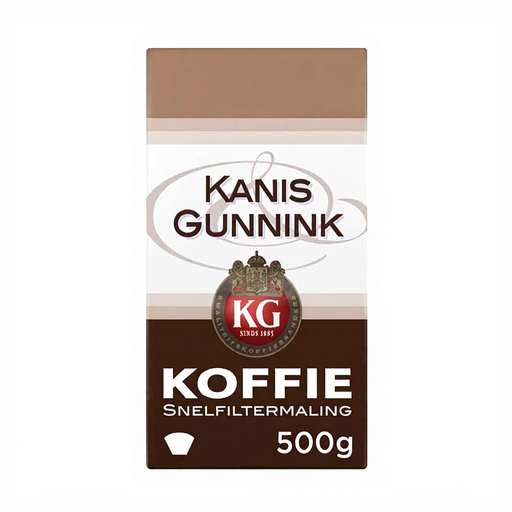
Why it suits this profile: The 500-gram pack is practical for everyday use in a household or office. The coffee is finely ground and intended for filter brewing.
The brewing method is clearly stated, so you will not accidentally buy this coffee for espresso. Keep the opened bag tightly sealed.
500-gram contents; ingredients list only coffee beans; suitable for filter coffee.
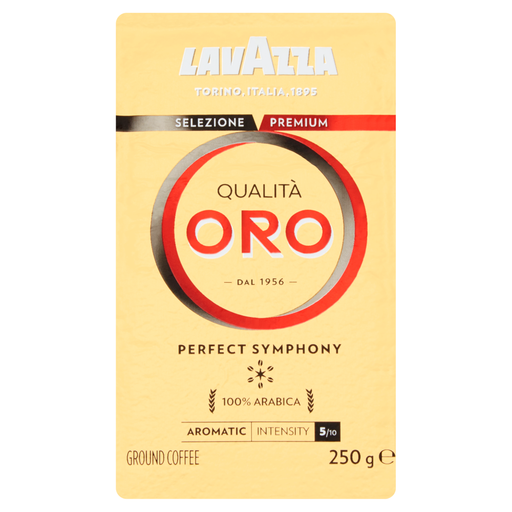
Why it suits this profile: According to the product information, this 250-gram blend consists of 100% ground Arabica and has a medium roast. That suits anyone who values aroma and a softer flavour profile.
The composition and roast are clearly stated. This means you can base your choice on Arabica and a medium roast rather than on marketing terms alone.
100% Arabica; 250 grams; product description mentions notes of chocolate and dried fruit.
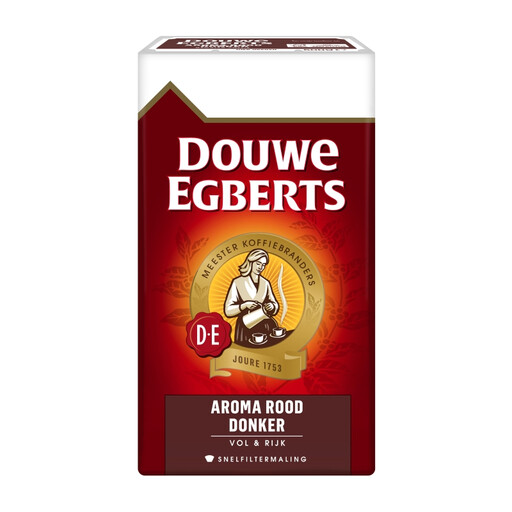
Why it suits this profile: The combination of Arabica and Robusta and the dark variant suit drinkers looking for a full-bodied, spicy coffee flavour who brew coffee regularly.
The product information specifies the beans and flavour profile. This tells you in advance that dark and full-bodied is not the same as a neutral filter coffee.
500-gram contents; blend of Arabica and Robusta; preparation information for filter and pour-over, among other methods.
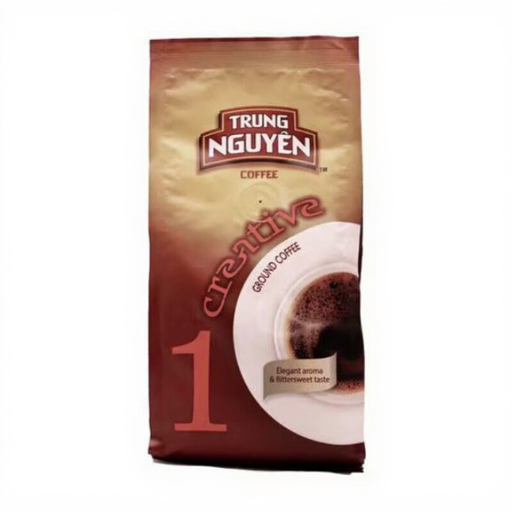
Why it suits this profile: According to the product information, the Arabica and Robusta blend is suitable for filter coffee, a cafetière and espresso. The 250-gram pack is a handy way to try a distinctive flavour profile.
The recommended preparation methods are stated, so you do not have to judge the coffee solely by the description “strong”.
250 grams; suitable for several brewing methods; ingredients list Arabica and Robusta.
We have put together a complete, up-to-date list of products that fully meet these strict selection criteria and the applicable European safety regulations.
Even suitable ground coffee can disappoint if it is prepared incorrectly. Use a consistent dose, such as the amount stated on the packaging. More coffee does not always produce a better or stronger cup; it may simply make the flavour more bitter.
For filter coffee, use clean water and do not leave the water on the coffee for unnecessarily long. A coarser grind helps when using a cafetière. For espresso, the grind, tamping and brewing time are particularly important. If in doubt, first follow the manufacturer’s preparation instructions, then make small adjustments.
Also check whether you are actually looking for a different type of product. Drip bags, instant coffee and ready-to-drink coffee are convenient for quick use, but they do not require a traditional filter coffee maker. Nescafé Espresso Concentrate Caramel 500 ml also contains sugar and natural flavouring according to the product description, whereas ground coffee usually consists solely of ground coffee beans.
Choose a product labelled filter coffee, filter grind or “suitable for filter”. A fine filter grind works in many standard filter coffee makers. Always check the packaging, as the precise grind varies from product to product.
The exact shelf life is stated on the packaging. After opening, the aroma quality usually gradually declines through contact with air. So seal the bag carefully and store the coffee somewhere cool, dry and away from light. Buy a 250-gram pack if you use coffee slowly; 500 grams is better suited to daily use by several people.
Arabica and Robusta differ in flavour, composition and how they are used in blends. Robusta is often chosen for more body and a stronger profile, while Arabica is often described as more aromatic. The final strength also depends on the roast, dose and brewing method. So look at the ingredients and preparation information rather than relying solely on the word “strong” on the packaging.
