
Vandaag of morgen in huis

Kwaliteit gegarandeerd

Welkomstaanbiedingen ontgrendelen: GRATIS bezorging | Tot 80% korting | Gratis 30 dagen JoyPlus-proefperiode
Download de app
The aroma of fresh coffee marks the start of the day for many. Yet, the search for the right ground coffee can be unnecessarily complex. Packaging often promises the world, but the contents can be disappointing. As a Joybuy Product Recommendation Officer, I'm here to help you cut through the marketing jargon. We'll focus on what truly matters, ensuring you make a choice that suits your taste and coffee maker, without wasting money.
Before you start buying ground coffee, it's wise to be aware of a few common pitfalls:
To avoid the mistakes mentioned above, it's essential to focus on two core properties. These factors determine 90% of your coffee experience.
The grind size dictates how quickly water flows through the coffee. The wrong combination leads to a disappointing result.
Besides the grind, the bean type and roast profile define the final taste.
Below is a selection of products tailored to different preferences and use cases.
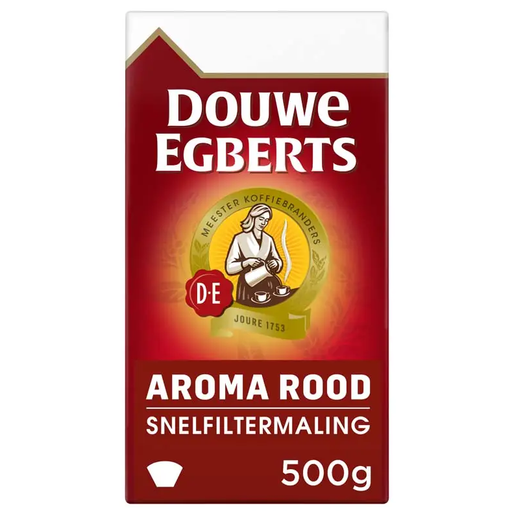
Why This Fits Their Persona: For those who love the familiar, balanced taste of a classic cup of coffee. No fuss, just a good, reliable start to the day.
This is a classic drip grind. You can't go wrong; it's specifically made for the most common type of coffee maker.
Consistent, round, and harmonious flavour. The medium roast (intensity 5/9) makes it an approachable coffee for any time of day.
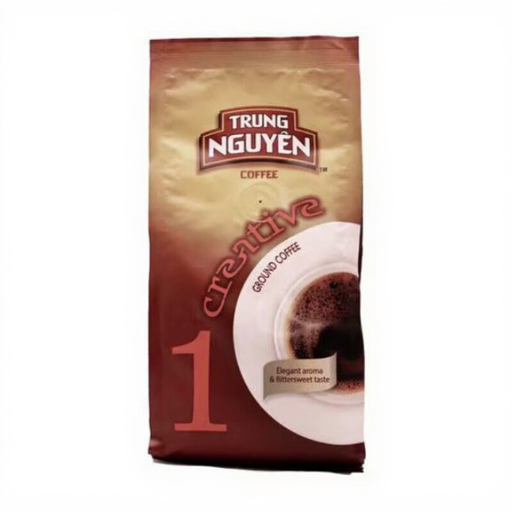
Why This Fits Their Persona: For those who are tired of standard flavours and seek a powerful, intense coffee experience. Ideal for a strong start to the day or as a base for Vietnamese iced coffee.
This product bypasses the '100% Arabica' pitfall by deliberately using Culi (peaberry) Robusta beans, which are known for their intense flavour and high caffeine content.
Dark, strong, and full-flavoured with distinct chocolate notes. The grind is versatile, suitable for both filter coffee and French press.
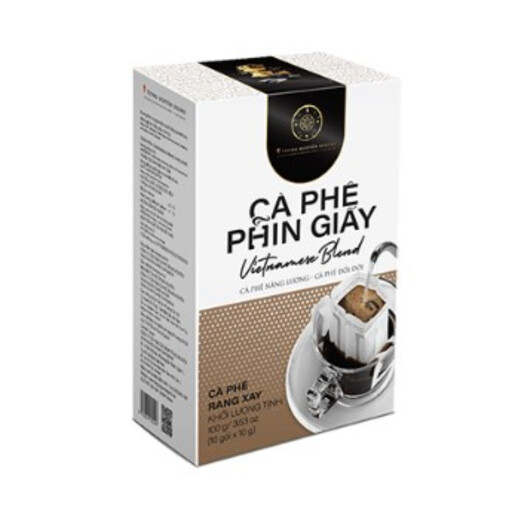
Why This Fits Their Persona: For those who want a quick, quality cup of coffee at the office, while travelling, or simply at home without the hassle of machines. Convenience is key, but not at the expense of quality.
These individually wrapped drip bags solve the freshness problem associated with large packages. Every cup is fresh, without you having to open an entire bag.
Extremely user-friendly: all you need is hot water and a mug. The blend of Robusta and Arabica ensures a full, balanced flavour.
We have compiled a complete, up-to-date list of products that meet these selection criteria and comply with current regulations.
Ground coffee is sensitive to air, light, moisture, and heat. After opening, keep the coffee in its original packaging, sealed tightly with a clip, and place it inside an airtight, opaque canister. Store the canister in a cool, dark place, but preferably not in the refrigerator, as condensation can negatively affect the flavour.
A drip grind is relatively fine, allowing water to pass through at a controlled speed in a filter machine. This ensures a balanced extraction. A French press grind is much coarser. Because the coffee and water are in direct contact for a longer period, the coarse grind prevents the coffee from becoming too bitter (over-extraction) and stops too many fine particles from slipping through the press's metal filter.
Not necessarily. The price is influenced by brand name, packaging, origin, and certifications (like Fair Trade or organic). A more expensive coffee might be made from a rare bean, but that doesn't automatically mean you'll prefer its taste. Focus on the specifications that matter to you, such as the grind size and the flavour profile described by the manufacturer, rather than relying blindly on price.
