
Vandaag of morgen in huis

Kwaliteit gegarandeerd

Welkomstaanbiedingen ontgrendelen: GRATIS bezorging | Tot 80% korting | Gratis 30 dagen JoyPlus-proefperiode
Download de app
Green tea is available as loose leaf tea, green tea bags, powder and ready-to-drink green iced tea. This wide range makes choosing easy, but it also increases the chance of a disappointing purchase. A striking packet, for example, tells you very little about the amount of tea, the sugar content or how to prepare it.
Pay particular attention to three common pitfalls:
If you’re buying for everyday use, it’s a good idea to first decide how the tea will be drunk: hot at home, cold on the go, at the office or in larger quantities for catering.
Don’t just look for terms like “light”, “pure” or “natural”. Check the ingredients list and the nutritional values per 100 ml or per serving.
Green iced teas vary widely:
These values come from the supplied product information. Always check the current label at the time of purchase, as recipes and packaging can change. If you’re looking for green tea without sugar, it’s better to choose an unsweetened variety or loose leaf tea and control the preparation yourself.
The method of preparation determines how much effort and waste you’ll have.
Japanese green tea, such as Sencha tea, often has a grassy and fresh flavour profile. A blend with mint, ginger or lemongrass is more aromatic. Matcha green tea and instant powder are prepared differently from a traditional tea bag.
The term “green tea” on a pack is not a quality standard in itself. Look at the ingredients, the net weight, the number of servings and the brewing instructions. For tea containing caffeine, it’s wise to check the label, especially if you are sensitive to caffeine or consume several caffeinated drinks in a day.
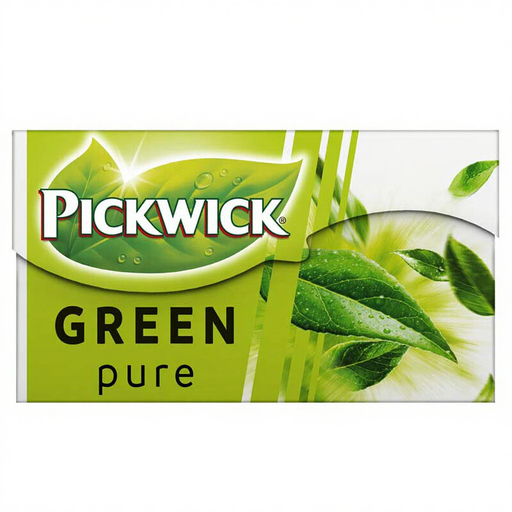
Why this fits the profile: A straightforward choice if you want to try green tea bags without added flavours. The box contains 20 individually wrapped bags of 1.5 grams each.
The ingredients list states only green tea. This means you don’t have to filter out hidden sugar, flavourings or fruit pieces.
20 servings, individually wrapped and with no added flavours according to the product description.
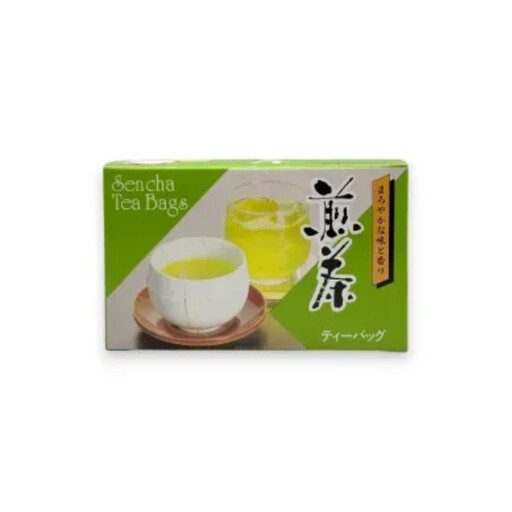
Why this fits the profile: For lovers of Japanese green tea who want a specific tea style and individual portions.
The product information lists Sen Cha leaves as the ingredient and states no sugar or flavourings.
20 bags, 40 grams total and suitable for both hot and cold use according to the product information.
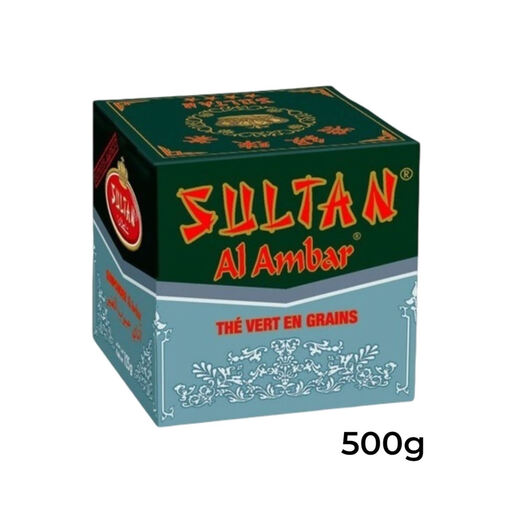
Why this fits the profile: A practical option for households, offices and catering users who regularly prepare loose green tea.
The 500-gram pack makes the quantity clear upfront. You can decide the dosage and strength yourself.
Large pack for frequent use; suitable for Moroccan mint tea according to the product description.
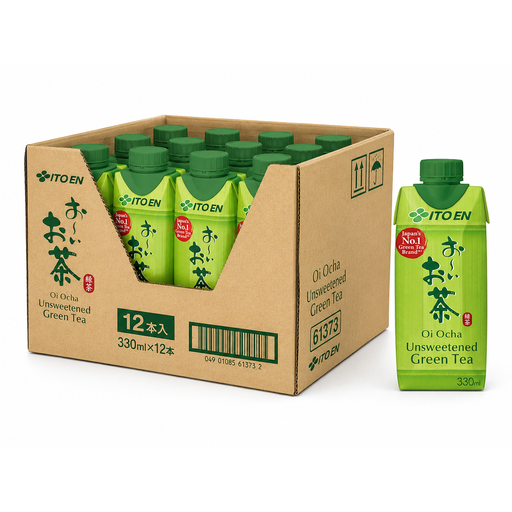
Why this fits the profile: Handy for on the go, at work or at home when you want chilled green tea without having to brew it yourself.
The product information states no added sugar and gives 0 kcal and 0 grams of sugar per 100 ml.
12 bottles of 330 ml, ready to drink and from Japan according to the product information.
We’ve put together a full, up-to-date list of products that fully meet these strict selection criteria and comply with current European safety regulations.
No. A product may say “light” or “low sugar” and still contain sugar or sweeteners. Check the ingredients list and the nutritional values per 100 ml. With pure green tea or green tea bags, tea is usually the only ingredient listed.
Store dry tea in a well-sealed pack in a cool, dry and dark place. Check the best-before date on the packaging. Store ready-to-drink green iced tea according to the label; opened bottles and cans should generally be kept refrigerated and consumed quickly.
Use the temperature and steeping time stated on the pack. Water that is too hot or steeping for too long can make the taste stronger and more bitter. With loose leaf tea, you can adjust the amount; with tea bags, the dosage is largely fixed. For matcha green tea or green tea powder, check whether the product is intended for dissolving in hot water, cold water or both.
