
Vandaag of morgen in huis

Kwaliteit gegarandeerd

Welkomstaanbiedingen ontgrendelen: GRATIS bezorging | Tot 80% korting | Gratis 30 dagen JoyPlus-proefperiode
Download de app
The tea aisle can be overwhelming. From simple tea bags to refined powder, the selection of green tea is immense. How do you know which variety suits your moment of the day or taste preference? This guide is designed to help you. We highlight different types and provide practical tips, so you can make an informed choice without having to wade through marketing jargon.
Before you make a choice, it's helpful to consider a few key characteristics. The form, origin, and production method largely determine the flavour and user experience.
The most common forms each have their own advantages:
The two largest producers of green tea each have their own traditional processing methods that strongly influence the taste:
Organic green tea is grown without the use of synthetic pesticides and artificial fertilisers. For those who are conscious about nutrition and agriculture, an organic certification can be an important factor in their purchase.
Based on product features and intended use, we have compiled a list of popular choices for you.
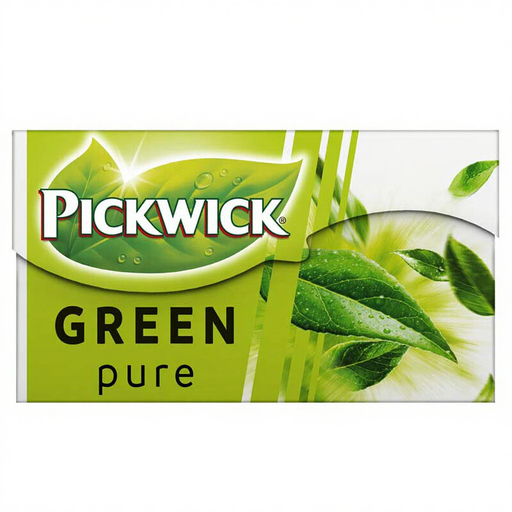
Why It Stands Out This product focuses on purity and convenience. It contains only green tea, with no additives or flavourings, packed in convenient, individual bags.
Benefits
Who Is It For? Ideal for anyone looking for a reliable and quick cup of pure green tea, without extra flavours or complexity.
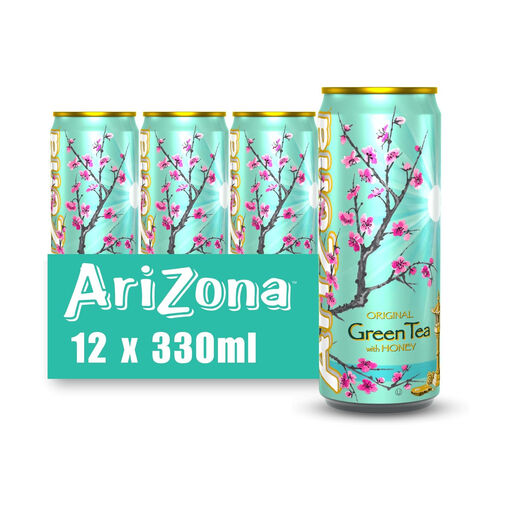
Why It Stands Out A ready-to-drink green iced tea that combines the flavour of green tea with a touch of honey. A refreshing alternative to a hot beverage.
Benefits
Who Is It For? Suitable for those who enjoy a chilled, sweet drink and want to experience the taste of green tea in a refreshing form.
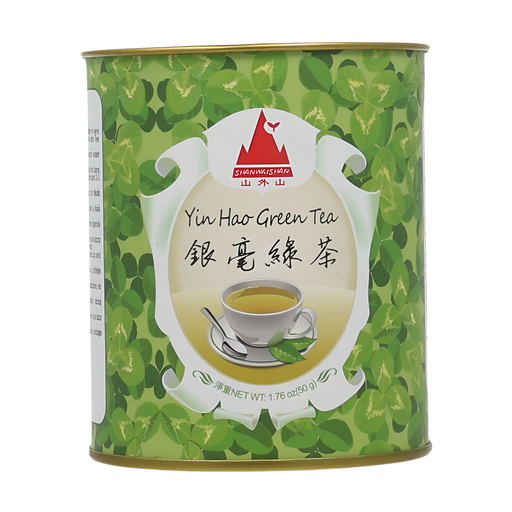
Why It Stands Out This loose green tea is a 'Silver Tip' tea, which indicates the use of young buds and leaves. This type of Chinese green tea is known for its delicate and refined character.
Benefits
Who Is It For? The tea lover who takes time for a brewing ritual and appreciates the nuances of high-quality, loose-leaf tea.
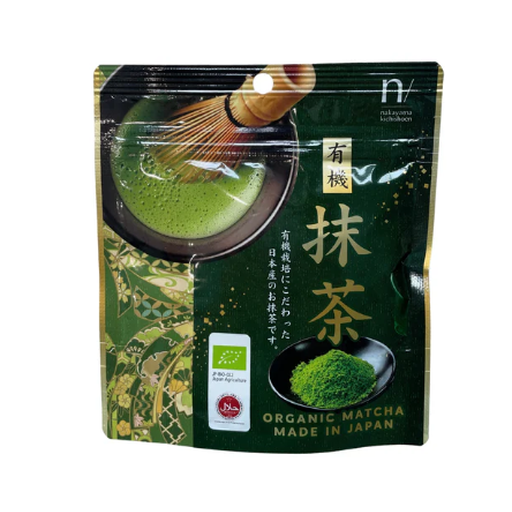
Why It Stands Out This matcha powder is organic and of ceremonial grade, sourced from Japan. It is made from shade-grown tencha leaves, which results in a vibrant green colour and a complex flavour.
Benefits
Who Is It For? For the health-conscious consumer, the adventurous home cook, or the tea aficionado who wants to experience the unique ritual of a traditional matcha.
The world of green tea is vast and diverse. If the options above aren't exactly what you're looking for, or if you're simply curious about more varieties, there is much more to discover.
Browse our full range and find the perfect match for your taste. Click here to explore all green tea drink options.
The main difference lies in the processing. Both green and black tea come from the same plant, the Camellia sinensis. For green tea, the leaves are immediately heated (steamed or roasted) after harvesting to prevent oxidation. Black tea leaves, on the other hand, are exposed to air, allowing them to oxidise. This process creates the dark colour and the more robust, malty flavour of black tea.
For a good cup of loose green tea, the water temperature is crucial. Water that is too hot can make the tea bitter. A general guideline is:
Matcha is a powder made from finely ground, specially treated green tea leaves. Unlike regular tea, where you drink an infusion of the leaves, with matcha you consume the entire leaf. This results in a more intense flavour and a different texture. It is traditionally prepared by whisking the powder with a bamboo whisk in hot water until a frothy drink is formed.
