
Vandaag of morgen in huis

Kwaliteit gegarandeerd

Welkomstaanbiedingen ontgrendelen: GRATIS bezorging | Tot 80% korting | Gratis 30 dagen JoyPlus-proefperiode
Download de app
Anyone looking to buy green peas will soon notice a big difference between tins, frozen bags, dried pulses and seasoned snacks. A low price or eye-catching packaging does not always tell you what you are actually getting. Pay particular attention to the ingredients, nutritional values, storage method and when you plan to use the product.
With peas in tins or jars, part of the weight consists of water. So do not just look at, for example, 400 or 500 grams on the packaging; also check the drained weight. For meal planning, this is more relevant than the total net weight.
This is less of an issue with frozen peas, but the pack size is important there. An 800-gram bag is practical for families, while a smaller pack may be more convenient if you have limited freezer space.
A crispy pea snack or seasoned peas often contain oil, flour, salt, sugar and flavourings. This makes the product suitable as a snack, but it is not automatically comparable with plain green peas. According to the product information for Gan Yuan Original Flavour, for example, 100 grams contains 528 kcal, 33.5 grams of fat and 1.9 grams of salt.
The flavour of wasabi peas can also vary considerably. Products containing wheat flour, mustard or soya are not suitable for everyone. Check the allergens before ordering, especially when children or guests will be eating too.
Dried peas generally require more preparation than tinned peas. They are suitable for soup and storing in your cupboard, but you need to allow time for soaking and cooking according to the instructions on the packaging.
Frozen products must remain frozen. The product information for TCT Edamame states that it should be stored at -18 °C or below and advises against refreezing it after thawing. When your order arrives, check that the packaging is still properly frozen.
First decide what you need the peas for:
If you want to buy beans more broadly, it is worth checking the preparation method: ready to eat, simply requiring reheating or needing to be fully cooked.
A short ingredients list makes comparing products easier. G’woon Very Fine Peas, for example, lists only peas and water. Bonduelle Broad Beans Extra Fine contains broad beans, water, salt and natural flavourings.
The list is often longer for snacks. Xiangduoduo Garlic Peas contains, among other ingredients, green peas, wheat flour, vegetable oil and garlic powder. The product contains wheat. According to the product information, Laoba Tender Beans contains soya and gluten.
Bear in mind that recipes and labels can change. Always use the information on the packaging as your final check. A claim such as “high in protein” or “healthy bean snack” is no substitute for looking at the full nutritional information table.
Compare products on the same basis: usually per 100 grams. Look at energy, fat, carbohydrates, protein, fibre and salt. A seasoned snack may contain a relatively high amount of protein, but also more calories, fat or salt than plain peas.
G’woon Garden Peas Extra Fine lists, among other values, 5.5 grams of protein, 5.5 grams of fibre and 0.01 grams of salt per 100 grams. According to the product information, the product consists of garden peas and is sold frozen.
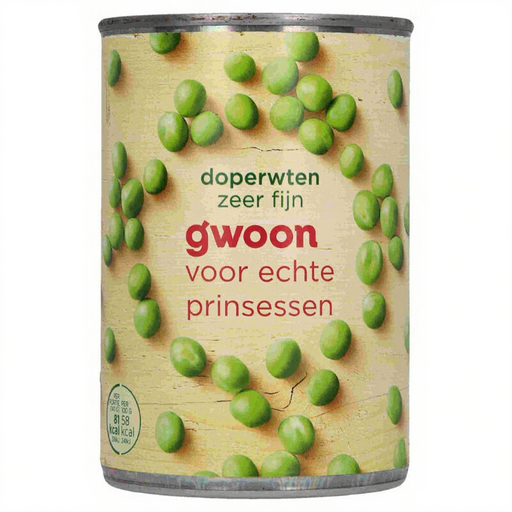
Why it suits this profile: A simple option for everyday meals, with peas and water as the listed ingredients.
The product information does not mention oil, a seasoning mix or added sugar. Check the current packaging when buying.
400 grams, a convenient size and, according to the product information, free from the 14 major EU allergens.
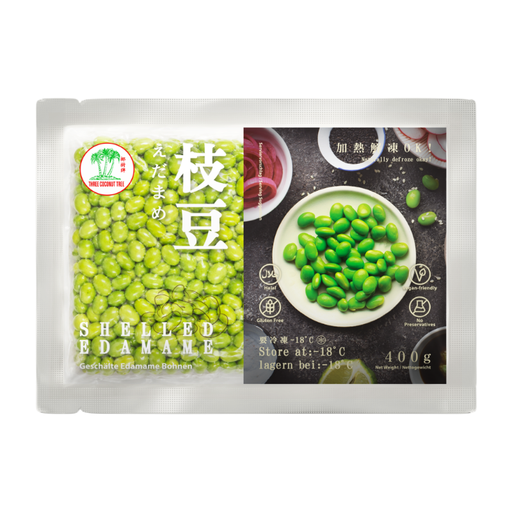
Why it suits this profile: For anyone looking for a versatile frozen product with one listed ingredient, suitable for side dishes and snacks.
The description states 100% edamame with no added ingredients. Store at -18 °C or below and do not refreeze after thawing.
400 grams; no cooking required: heat in boiling water for 2 to 3 minutes. Contains soya.
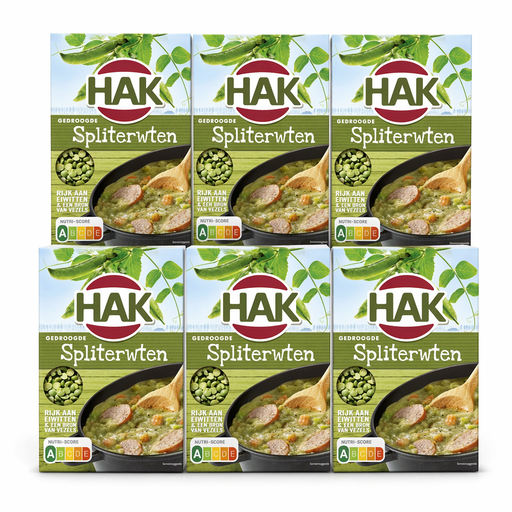
Why it suits this profile: A bulk pack for families, regular soup-making or anyone who needs several portions of dried peas.
The product information lists dried peas as an ingredient and makes it clear that this is not a ready-to-eat product.
Six 500-gram packs, with 8.4 grams of protein and 6.4 grams of fibre per 100 grams according to the stated table.
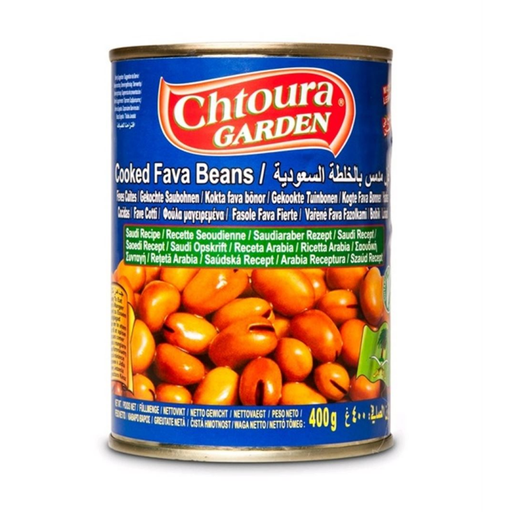
Why it suits this profile: For anyone looking for fava foul, Middle Eastern flavours and a cupboard staple that can be served quickly.
The packaging is intended for direct use, reheating or adding to recipes. However, check the current ingredients and allergens on the label.
400 grams, a long shelf life according to the product information, and suitable for breakfast, lunch, dinner or as a side dish.
We have put together a complete, up-to-date list of products that fully meet these strict selection criteria and the applicable European safety regulations.
For a meal, you can combine plain peas with rice, potatoes, pasta or a salad. Edamame goes well with Asian dishes and can be served as a side dish after briefly heating it. Broad beans, also known as fava beans, are suitable for purées, stews and foul.
A crispy snack can be served separately in a small portion. According to the product information, wasabi peas, garlic peas and spicy beans often contain additional flavourings and allergens such as wheat, soya or mustard. This makes them appealing to fans of international snacks, but less suitable if you are looking exclusively for a plain product.
That depends on how you plan to use them. Frozen peas are convenient for hot dishes and larger quantities. Peas in tins or jars are ready to use and do not require freezer space. In particular, compare the ingredients, salt content, pack size and price per drained or usable quantity.
Follow the date and storage instructions on the packaging. Store an opened pack in a dry, cool place and keep it tightly sealed. Before use, check for moisture, damage or an unusual smell. Preparation times vary by type, so follow the instructions on the label.
A seasoned pea snack can be a practical plant-based snack, but the composition varies by brand. Check the energy, fat and salt content per 100 grams and review the allergens. The term “healthy” is not a fixed characteristic of the product; your portion size and the complete nutritional information determine how it compares.
