
Vandaag of morgen in huis

Kwaliteit gegarandeerd

Welkomstaanbiedingen ontgrendelen: GRATIS bezorging | Tot 80% korting | Gratis 30 dagen JoyPlus-proefperiode
Download de app
By: Joybuy Product Recommendation Officer
You're craving an authentic Thai green curry. The aroma of lemongrass, galangal, and fresh chillies filling your kitchen. But at the supermarket or online, you're faced with a wall of jars and sachets. Which green curry paste is the right one for you? Is it spicy enough? Vegan? Gluten-free?
Choosing the right base is essential for a successful dish. To help you ignore the marketing claims and make a choice that suits your taste and needs, we've created this guide. Here you'll find practical tips and a selection of popular green curry paste options, based on their specifications.
Before you put a curry paste in your basket, there are a few things to consider. This ensures you come home with a product that matches the Thai green curry recipe you have in mind.
Not every green curry paste is the same. The base often consists of green chillies, lemongrass, kaffir lime leaf, and galangal root, but the proportions vary.
Thai curry pastes, thanks to the use of fresh, unripe green peppers. Brands like Koh Thai are known for their powerful, spicy flavour that is close to authentic Thai cuisine.Check the packaging or product description for an indication of the spiciness level.
The ingredients list is your most important source of information, especially if you have specific dietary requirements.
vegan curry paste.How often do you plan on making green curry?
Based on product specifications and popular choices among home cooks, we have highlighted three different types of green curry paste. Each paste has its own unique characteristics.

Why it stands out: This paste is known as the spiciest of Koh Thai's curry pastes. The flavour is based on fresh green peppers, lemongrass, and cardamom, which creates an authentic and powerful taste experience. According to the manufacturer, the product is 100% natural.
Key Features:
gluten-free curry paste.Who is this for? For the enthusiast of an authentic, spicy curry paste who isn't afraid of some heat. Also a great choice if you follow a gluten-free diet and are looking for a flavourful base.
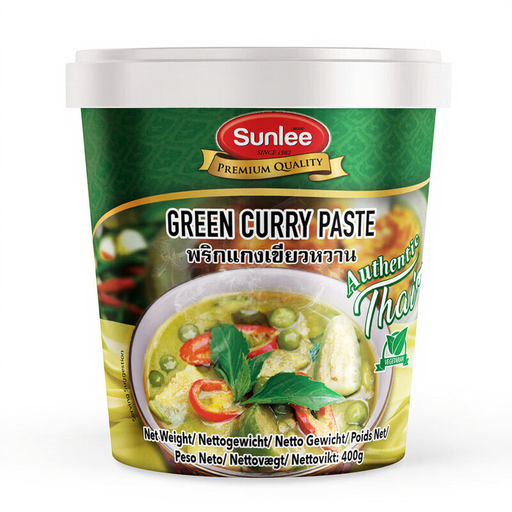
Why it stands out: Sunlee focuses on the essence of Thai cuisine with products that form the basis of everyday dishes. This green curry paste is specifically developed to be completely plant-based, without compromising on the rich, aromatic flavour of herbs and spices.
Key Features:
Who is this for? An excellent choice for vegans, vegetarians, and anyone looking for a plant-based Thai curry paste. Also ideal for frequent users and families.
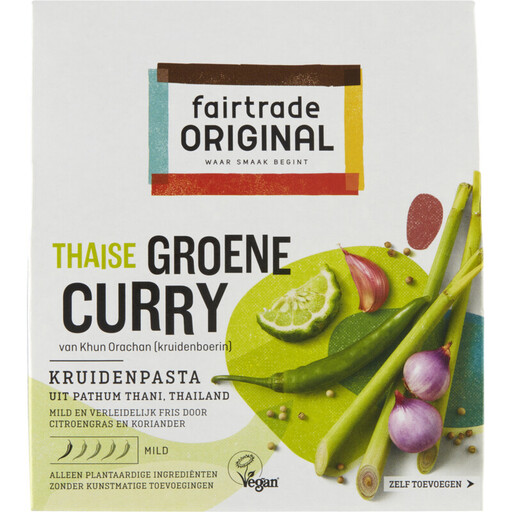
Why it stands out: This paste combines a mild, fresh flavour with an ethical mission. The ingredients are Fairtrade certified, which means that farmers in Thailand receive a fair price for their products. The taste is approachable and less overwhelmingly spicy.
Key Features:
Who is this for? Ideal for the novice Thai cook, people who don't like overly spicy food, or for those who consciously choose Fairtrade products. The small packaging makes it easy to try.
Are none of these three quite right for you? Perhaps you're looking for a different level of spiciness, an organic version, or another brand. The range is wide, and there's something for everyone.
Discover more options and compare different types of Thai curry paste on our overview page.
It's surprisingly simple. Fry a few tablespoons of green curry paste in a little oil in a wok or pan until the aromas are released. Add a can (400 ml) of coconut milk and stir well. Bring to a boil, then add your favourite protein (chicken, tofu, shrimp) and vegetables (such as long beans, bamboo shoots, and Thai aubergine). Let it simmer until everything is cooked through. Serve with white rice.
Green curry paste is known for being the spiciest, but the intensity varies greatly by brand. The spiciness comes from the quantity and type of fresh green chillies used. If you are sensitive to heat, choose a brand that is explicitly described as "mild," or start with a smaller amount of paste and add more to taste.
The main difference is in the chillies. For green curry paste, fresh, green chillies are used, which provides a fresh, herbaceous, and often sharper flavour. For red curry paste, dried red chillies are used, resulting in a deeper, slightly sweeter, and smokier flavour that is generally milder than the green version.
