
Vandaag of morgen in huis

Kwaliteit gegarandeerd

Welkomstaanbiedingen ontgrendelen: GRATIS bezorging | Tot 80% korting | Gratis 30 dagen JoyPlus-proefperiode
Download de app
A grape-flavoured soft drink may look appealing online, but there are major differences between a sparkling grape drink, grape juice and an Asian fruit drink. One bottle may contain mainly juice, while another consists mostly of water, sugar, sweeteners and flavourings. Sizes also vary, from a small can for drinking on the go to a soft drink multipack for a party.
If you only look at the front of the packaging, you may end up paying for a flavour expectation that does not match the product. Use these practical checks to compare grape drinks based on verifiable information.
The words grape, druif or druivenlimonade do not automatically tell you how much grape the drink contains. So check the ingredients list. If grape juice from concentrate is listed, for example, the percentage is usually stated separately. A drink may also contain natural or other flavourings.
With a product called grape juice, you would generally expect a higher juice content. The 1-litre g'woon Grape Juice lists white and red grape juice in varying proportions as ingredients, with no added sugar according to the product information. This makes it a different choice from a carbonated soft drink.
A sugar-free grape drink often uses sweeteners such as sucralose, acesulfame K, steviol glycosides or other permitted sweeteners. This can reduce the sugar content and energy value, but the taste experience varies from one recipe to another.
So always check the nutritional table per 100 ml. Also consider the serving size: a 330 ml can and a 1.5-litre bottle may look comparable on the label, but provide different amounts of drink per occasion.
A box of 24 cans may seem practical for an event, but it requires more storage space and a larger one-off payment. For home use, a 1.5-litre bottle may offer better value, while small cans or bottles are better suited to portions for drinking on the go.
Compare the price per litre, the number of packs and the best-before date. Once opened, bottles usually need to be refrigerated and consumed within the stated period.
First, look at the order of the ingredients. Ingredients are generally listed in descending order by quantity. A grape fruit drink may also contain lemon, apple or other fruit juice. This affects the taste.
The g'woon Grape Lemon Flavoured Water lists 1.8% fruit juice from concentrate, consisting of white grape and lemon. This variant is lightly carbonated and suits anyone looking for a refreshing combination of sweet fruit and citrus. Here, the name white grape lemon soft drink therefore describes the flavour profile more accurately than pure grape juice.
Compare the values per 100 ml:
The Sweet16 Green Grape Ade Zero Sugar lists 0 grams of sugar and 2 kcal per 100 ml. This is a specific product characteristic taken from the supplied product information, not a general statement about all zero-sugar drinks.
A 1.5-litre bottle is suitable for sharing. A 250 or 330 ml can is easier to serve chilled without leftovers. For an international option, you can consider the origin:
For imported products, always check the label for ingredients, allergens, nutritional values and storage advice. Product information may change from one package to another.
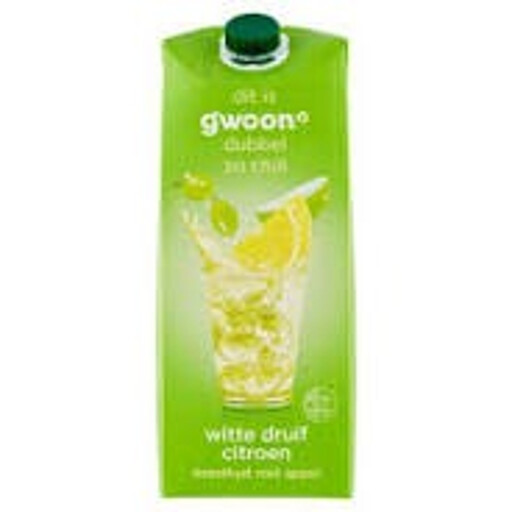
Why it suits this profile: The 1.5-litre bottle is suitable for trying at home or sharing with several people. The combination of white grape and lemon creates a familiar, refreshing flavour profile.
The juice content and ingredients are provided in the product information, so you do not have to rely solely on the name “grape”.
1.5-litre capacity; lightly carbonated; white grape combined with lemon.
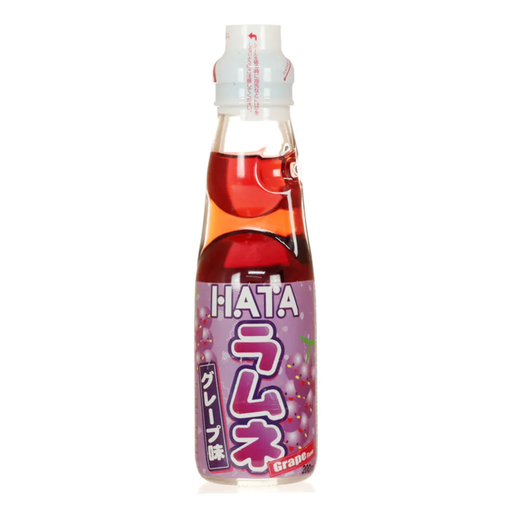
Why it suits this profile: Anyone who values presentation and provenance gets Japanese ramune grape in a glass bottle with the distinctive marble stopper.
The small size makes the choice straightforward. The product information also states 44 kcal and 11 grams of sugar per 100 ml.
200 ml; glass bottle; grape flavour; suitable for serving at a themed party or as a snack.
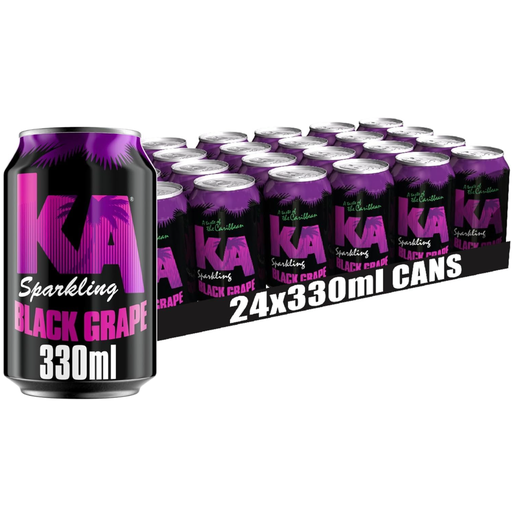
Why it suits this profile: A box of 24 330 ml cans is ideal for party organisers, clubs and households that regularly want to serve smaller portions.
The portions are pre-divided, so you do not have to store an opened large bottle. However, check the current nutritional values on the can.
24 x 330 ml; carbonated; black grape flavour; convenient for gatherings.
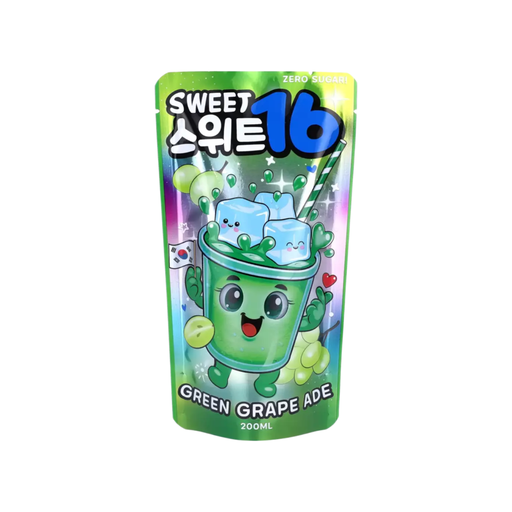
Why it suits this profile: This small bottle is aimed at anyone who wants to avoid sugar and keep track of nutritional values per serving.
The product information states 0 grams of sugar and 2 kcal per 100 ml. Before buying, check that the packaging shows the same composition.
Zero sugar according to the product information; 2 kcal per 100 ml; green grape flavour; 200 ml.
We have put together a complete, up-to-date list of products that fully meet these strict selection criteria and the applicable European safety regulations.
This varies from product to product. A sugar-free grape drink such as Sweet16 lists 0 grams of sugar per 100 ml. Other drinks use sugar, fruit juice or both. So always compare the “of which sugars” value per 100 ml and check the ingredients list.
No. Grape juice consists mainly of juice, while grape soft drinks usually contain carbonic acid, sugar or sweeteners and flavourings. A drink containing grape and lemon may also contain only a limited percentage of fruit juice. The product category and ingredients list provide the clearest answer.
Store an opened bottle according to the label, usually refrigerated and tightly sealed. Pay attention to the stated period after opening. Small cans and bottles are useful if you want to reduce waste from leftovers; a 1.5-litre bottle is more practical when several people are drinking at the same time.
