
Vandaag of morgen in huis

Kwaliteit gegarandeerd

Welkomstaanbiedingen ontgrendelen: GRATIS bezorging | Tot 80% korting | Gratis 30 dagen JoyPlus-proefperiode
Download de app
Soft grape sweets, grape gummies and fruit gummies are popular with children, fans of Asian confectionery and adults looking for a fruity snack. But a purple packet doesn’t always tell you everything about the flavour or what’s inside. If you rely only on the picture or the words “fruity” and “peelable”, you could end up with a product that doesn’t quite match your expectations.
A product may be labelled as having grape flavour, yet contain very little concentrated grape juice. Sometimes apple or peach juice concentrates are used instead. So always check the ingredients list and the declared percentage of fruit juice.
For example, the WANT WANT QQ Soft Candy mentions grape flavour in its product name, but the ingredients list includes concentrated apple and peach juice, plus a peach flavouring. If you’re specifically looking for grape sweets, that’s a good reason to double-check the label when it arrives.
According to the nutritional information, several soft sweets contain 0 grams of fat per 100 grams, but they are high in carbohydrates and sugars. Cokoc Peeling Soft Candy, for instance, lists 53.7 grams of sugar per 100 grams. ENNJOI Peeling Gummy Candy has 83.7 grams of sugar per 100 grams.
So a fat-free composition doesn’t automatically make a sweet suitable for every dietary preference. Always compare the nutritional values per 100 grams, as well as the total contents of the packet.
Peelable gummy sweets and 3D gummies are designed to be peeled, examined or chewed at length. That can make the snacking experience more fun, but it doesn’t change the need for supervision. Kimnori states that the product is not suitable for children under 3 years old, and that children under 5 should eat it under supervision. Always follow the age warning on the actual packaging, and make sure young children eat while sitting calmly.
First, look at:
According to the product information, Kimnori contains more than 28% complex fruit juice, including concentrated grape juice. Amos Peelerz lists 11% concentrated fruit juice, part of which is grape and apple. Sounds Pop mentions 6% concentrated grape juice and lists sulphites as an allergen. These percentages are product specifications; the final packaging is always the deciding factor.
Not every product labelled “gummy” has the same bite. Look out for the difference between:
A peelable gummy is especially interesting when the shape and the peeling process are part of the experience. If you’re simply after a straightforward grape flavour, a standard soft sweet may be more practical.
A 62 to 80 gram bag is handy for a treat, a school-free afternoon or for sharing. A larger pack of raisins is better for stocking up, baking or breakfast. Also check the storage instructions: most sweets should be kept cool, dry and out of direct sunlight. According to the product information, an opened konjac jelly should be stored in the fridge and used within the stated time.
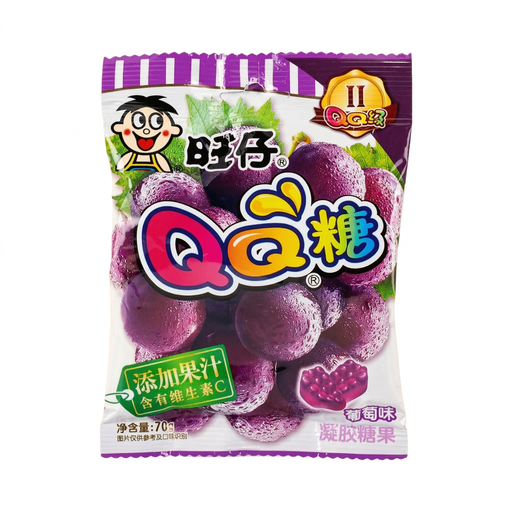
Why it fits this profile: A compact 70 gram pack is ideal for trying a classic soft sweet texture without committing to a large multipack straight away. Just check the ingredients if a pure grape flavour is important to you.
The product information clearly states the serving size, nutritional values and storage instructions. Check before you buy whether the flavour profile on the label matches what you expect.
70 gram contents, soft texture and individual use straight from the pack.
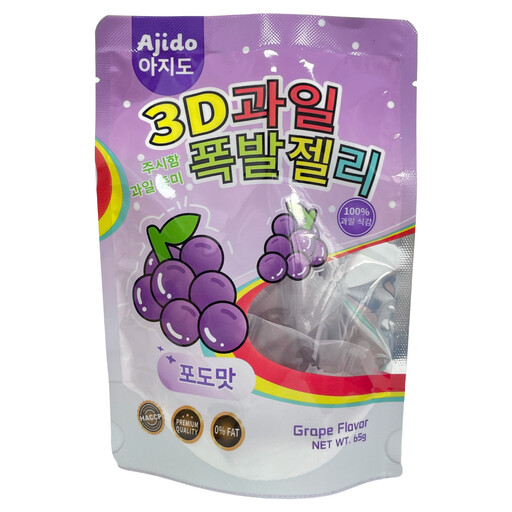
Why it fits this profile: This product combines a 3D shape, a peelable outer layer and, according to the product information, more than 28% complex fruit juice. It suits shoppers who pay attention to texture and composition, not just the colour of the packet.
The fruit juice percentage is stated in the product details, so you can compare the fruit claim with other grape gummies. Age warnings must be followed.
65 gram contents, gelatine and pectin, plus a soft and springy texture according to the product description.
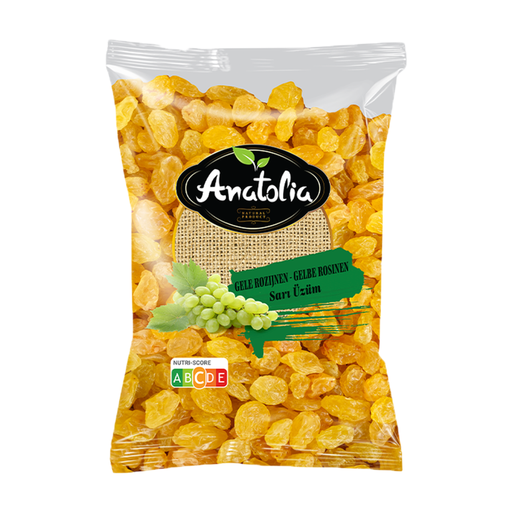
Why it fits this profile: A 500 gram bag is more practical for regular use in breakfasts, baking recipes, rice dishes or as a family staple than small sweet packets.
The product information describes it as dried grapes, not as sweets with grape flavour. So it’s clearer what you’re buying: raisins with concentrated natural sugars.
500 gram contents and versatile use as a snack or ingredient.
If you’re less interested in sweets, you could choose raisins, such as sultanas or black raisins. Look out for added oil, sulphites and the choking hazard warning for young children. For a drinkable option, there are products like green grape drink or Japanese grape drink. Nenohi Red Grape + Daiginjo Sake contains 7% alcohol according to the product information, so it is only suitable for adults. A sugar-free drink like Sweet16 Green Grape Ade uses sweeteners and states 0 grams of sugar per 100 millilitres; check the actual packaging for the full ingredients.
We’ve put together a full, up-to-date list of products that fully meet these strict selection criteria and comply with current European safety regulations.
Grape sweets is a broad term for sweets with grape flavour. Grape gummies usually have a soft, elastic texture thanks to gelatine, pectin or other gelling agents. Check the ingredients if you want to avoid gelatine.
Generally, keep opened bags tightly sealed in a cool, dry place out of direct sunlight. Heat and moisture can change the texture. Jelly in a squeeze pouch may have different instructions, so follow the packaging.
Not automatically. Some products state a minimum age or recommend supervision for young children. Only give sweets according to the age information on the label, and take the shape, size and firmness of the product into account.
