
Vandaag of morgen in huis

Kwaliteit gegarandeerd

Welkomstaanbiedingen ontgrendelen: GRATIS bezorging | Tot 80% korting | Gratis 30 dagen JoyPlus-proefperiode
Download de app
Sweet grape-flavoured soft drinks are not always easy to compare online. An eye-catching label may promise Japanese grape soda, Korean grape drink or American grape soda, while the contents, origin and sugar content can vary considerably. Packaging and serving size also affect your choice.
As a Joybuy Product Recommendation Officer, I filter the most important product information so that you can compare marketing claims with verifiable specifications. Below, you’ll find what to look out for before buying grape soda online.
The name “American grape soda” does not automatically refer to the place where the product was made. Fanta Grape Soda is described in the product details as a classic American soft drink, but the additional information lists China as the country of production. So, if you’re specifically looking for an American imported drink, it’s worth checking both the style and the country of origin.
A similar point applies to Japanese grape ramune. The glass bottle with a marble stopper is distinctive packaging, but you should also check the ingredients and nutritional values. The packaging makes a drink stand out, but it does not tell you everything about its flavour or composition.
A grape drink with less sugar per 100 ml is not automatically sugar-free. For example, Ice Talk Green Grape Ade contains 8.7 grams of sugar per 100 ml, while TING Soda Raisin lists 4.4 grams of sugar per 100 ml. McNulty Green Grape Ade contains 13.2 grams of sugar per 100 ml.
So always check:
A lower energy value may be linked to sweeteners such as sucralose. This is a product specification, not a general statement about whether the drink is suitable for you.
A 1.5-litre bottle may seem practical for a party, but once opened, soft drinks should be stored in the fridge and used within the period stated. For one person, cans or smaller bottles are often easier to manage. A multipack can be useful if you serve the drink regularly.
Compare products using the same measurement: per 100 ml. Also look at the difference between grape juice concentrate, flavourings and colourings. A product containing grape juice concentrate will have a different ingredients list from a drink made mainly from carbonated water, sugar and flavourings.
Examples from the range:
When buying imported products, always check the current packaging. Labels, recipes and packaging information may change.
Not every grape-flavoured soft drink tastes the same. If you’re looking for a distinctly sweet fizzy grape drink, check the product description and ingredients. “Lightly sparkling” indicates gentler carbonation, while “carbonated soft drink” refers to a regular fizzy soft drink.
The grape variety or flavour direction used also makes a difference:
A grape ramune in a 200 ml glass bottle is particularly suitable as an individual treat or for a themed party. A 500 ml PET bottle is easier to take with you. 355 ml cans are convenient for portion control and storage in a cupboard.
Store grape soda according to the label: somewhere cool and dry, away from direct sunlight. Once opened, the drink should be kept in the fridge. Before buying, also check the best-before information on the packaging, especially for imported products.
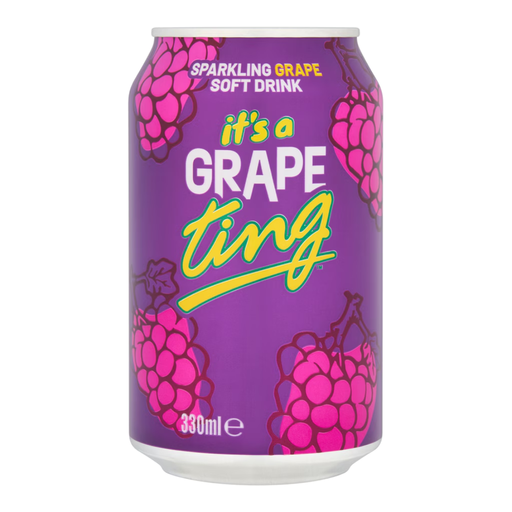
Why it suits this profile: A single 330 ml can is a practical way to try a new grape-flavoured soft drink without buying a multipack straight away.
The nutritional information lists 4.4 grams of sugar and 18 kcal per 100 ml. The sweetener sucralose is included in the ingredients list.
330 ml, carbonated and, according to the product information, suitable for vegetarians and vegans.
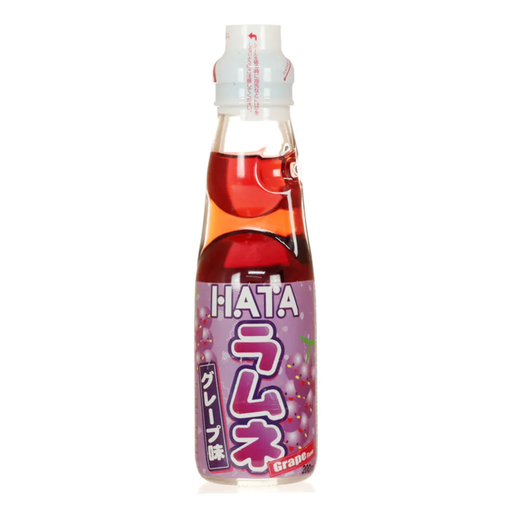
Why it suits this profile: This Japanese grape soda combines a small serving with ramune’s recognisable glass bottle and marble stopper.
The volume is clearly stated as 200 ml, so you can take the smaller serving into account when comparing your options. The ingredients include carbon dioxide, sugar and grape flavouring.
Japanese ramune packaging, 44 kcal and 11 grams of sugar per 100 ml according to the product information.
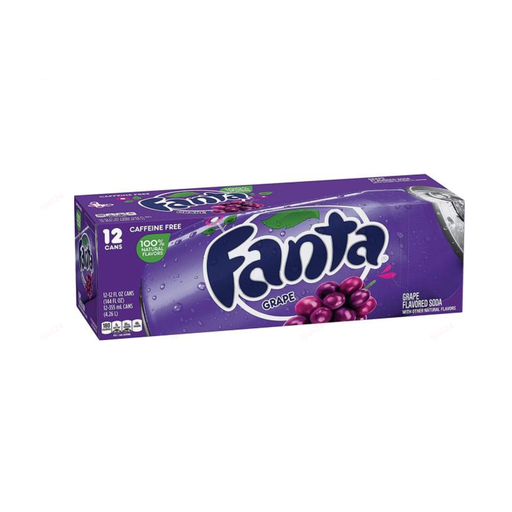
Why it suits this profile: The multipack of cans is practical for parties, film nights or keeping a supply of imported soft drinks at home.
The 12 individual containers help reduce waste after opening. However, note that the product information lists China as the country of production, despite the American style.
355 ml per can, 48 kcal and 13.5 grams of sugar per 100 ml according to the listed nutritional values.
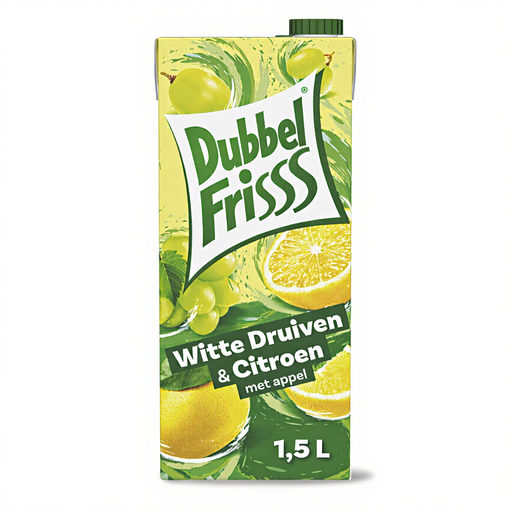
Why it suits this profile: The large bottle is designed for sharing and combines white grape with lemon for a more varied flavour profile.
The ingredients list 6% white grape juice from concentrate and 1% lemon juice from concentrate. This makes the fruit content easier to compare accurately.
1.5 litres, gentle carbonation and 4.5 grams of sugar per 100 ml according to the product information.
We’ve put together a complete, up-to-date list of products that fully meet these strict selection criteria and the applicable European safety regulations.
“Grape soda” usually means a carbonated soft drink with grape flavour. Grape drink is a broader term and may also refer to a drink containing grape juice concentrate, lemon or less carbonation. Check the ingredients and carbonation level to establish the difference.
Store an opened bottle or container in the fridge and close it securely. Always follow the instructions on the label. An unopened product should be stored somewhere cool and dry, away from direct sunlight.
That depends on the price per litre, delivery costs and how much you consume. Divide the total price by the total number of millilitres. A multipack is particularly practical when you need several servings; for a first taste, an individual bottle or small can is often the wiser choice.
