
Vandaag of morgen in huis

Kwaliteit gegarandeerd

Welkomstaanbiedingen ontgrendelen: GRATIS bezorging | Tot 80% korting | Gratis 30 dagen JoyPlus-proefperiode
Download de app
When you search online for grape soda, you’ll quickly come across a mix of Japanese ramune, American grape soda, Korean grape drinks and grape-flavoured fizzy drinks from Europe. The packaging often looks appealing, but there are big differences in size, sugar content, fizz and ease of use.
The main pitfalls usually aren’t about the grape flavour itself. Pay particular attention to these points:
A green grape soda often has a fresh, sweet-fruity taste. The flavour can come across as light and juicy, like an ade, or distinctly sweet and candy-like. Black grape soda usually has a deeper flavour profile and a darker colour.
Check the ingredients list to see whether grape juice concentrate, flavouring or just artificial flavourings are used. This doesn’t give a complete verdict on the taste, but it does help you separate marketing language from product information. According to the product description, Hatakosen Ramune Hata Soda Grape, for example, contains grape juice concentrate. Other varieties mainly list flavouring.
Compare the nutritional values per 100 ml. In the current range, the values vary:
A lower sugar content doesn’t automatically mean the taste is less sweet. Some drinks use sweeteners alongside sugar. So check both parts of the label. If you buy a 1.5-litre bottle, you also need to consider the total volume rather than just the value per 100 ml.
For on-the-go, a pouch or small bottle is practical. A glass bottle with a marble stopper is more suited to a themed party, gift set or anime event. For a birthday or larger gathering, a box of cans can be more convenient than several individual bottles.
Also check:
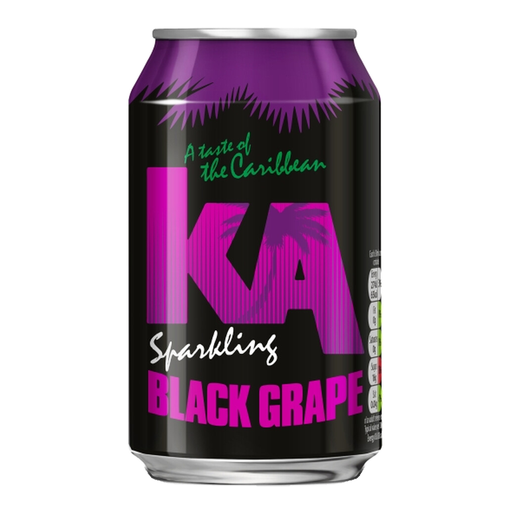
Why this fits the profile: The 330 ml portion is manageable if you want to try grape soda first without committing to a multipack.
The content and nutritional values are clearly stated: 18 kcal and 4.5 g sugar per 100 ml according to the product information.
330 ml PET bottle; fizzy black grape flavour; 4.5 g sugar per 100 ml.
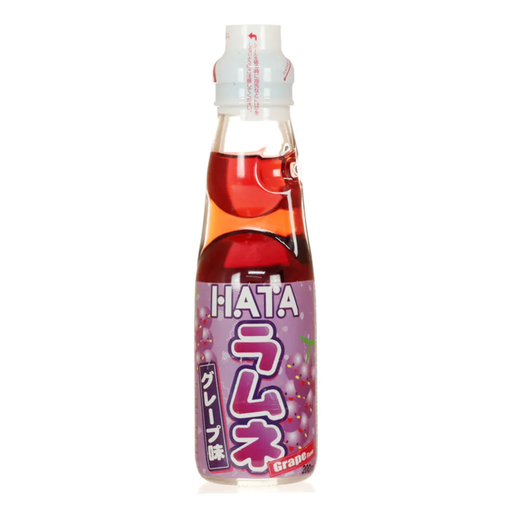
Why this fits the profile: This Japanese ramune grape is ideal if you value both flavour and presentation, for example at a dinner party or themed event.
The packaging isn’t an ordinary plastic bottle: the glass bottle has a marble stopper. The 200 ml content is noticeably smaller, though.
Japanese ramune style; 200 ml glass bottle; 44 kcal and 11 g sugar per 100 ml according to the product information.
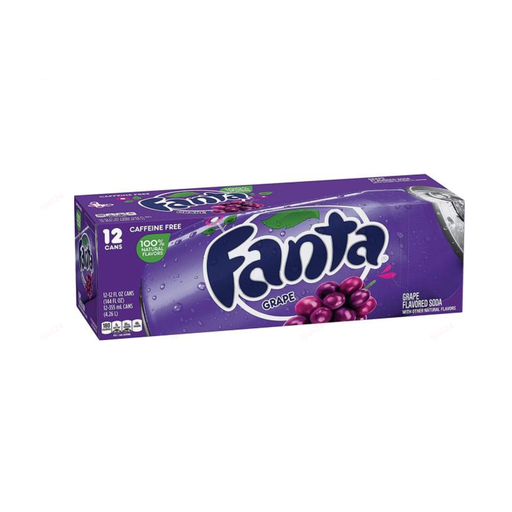
Why this fits the profile: A box of twelve cans is ideal for parties, stocking up at home, or fans of American fizzy drinks.
The portion size and packaging are clear from the start: 12 cans of 355 ml. This makes the total quantity easy to plan for.
12 x 355 ml; fizzy American grape soda; 48 kcal and 13.5 g sugar per 100 ml according to the product information.
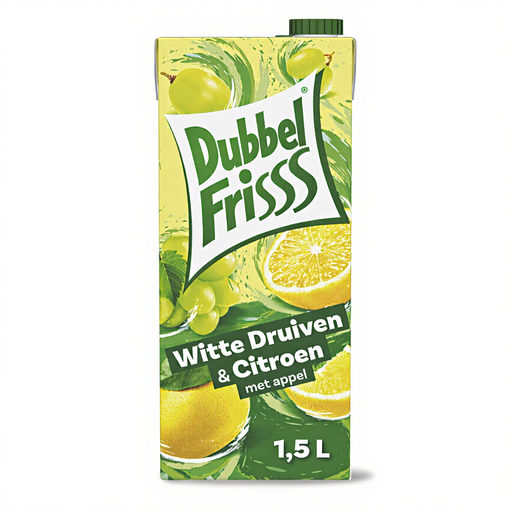
Why this fits the profile: The 1.5-litre bottle is practical for sharing at a barbecue, picnic or family occasion.
The product information specifies the flavour combination: white grape with lemon. So it’s not a single grape flavour.
1.5 litre volume; lightly sparkling; 4.5 g sugar per 100 ml according to the product information.
We’ve put together a full, up-to-date list of products that fully meet these strict selection criteria and comply with current European safety regulations.
Not always. Grape soda usually refers to a carbonated soft drink with grape flavour. Grape drink can also be lightly sparkling or not fizzy at all. So check the ingredients, whether carbonation is mentioned, and the product description.
Store unopened bottles and cans in a cool, dry place away from direct sunlight. Once opened, the drink should be kept in the fridge. Seal a bottle tightly and always follow the storage and best-before information on the label. With a glass ramune bottle, extra care around the marble stopper is advisable.
The cost depends on the brand, origin, packaging and delivery charges. A single bottle or can is good for trying a flavour. A multipack, such as 12 x 355 ml, can be more practical for parties, but compare the price per 100 ml and check the total volume before you order.
