
Vandaag of morgen in huis

Kwaliteit gegarandeerd

Welkomstaanbiedingen ontgrendelen: GRATIS bezorging | Tot 80% korting | Gratis 30 dagen JoyPlus-proefperiode
Download de app
When you search for grape snacks and grape drinks, you’re quickly faced with a huge range of options: from grape jelly and konjac jelly grape to grape juice, green grape drink and Japanese grape sweets. The packaging often makes products look more appealing than the information on the label would justify. That’s why it pays to look beyond just the flavour or country of origin.
A low-calorie grape snack can still contain carbohydrates or sweeteners. Always check the nutritional information per 100 grams or 100 millilitres and per serving. A multipack with small portions can be handy, but the total amount counts when you eat or drink several packs.
Check the ingredients list. If water or syrup is at the top, the product is largely made up of that. Also look at the stated percentage of grape, apple or other fruit juice. For example, STRONG Fruit Granola Red Grape states more than 10% red grape juice according to the product information. Senpure Meco Meigou Red Pomegranate White Grape contains 2.9% white grape juice concentrate according to the product specification, alongside apple concentrate and oolong tea.
Konjac jelly, grape mochi and fruit jelly have a soft or springy texture. That’s part of the snacking experience, but always follow the usage instructions on the packaging. ORIHIRO states that the jelly should be eaten by chewing it straight from the pack. For young children, consider the shape, texture and any warnings on the label.
First, look at:
A product with grape flavour doesn’t have to be made entirely from grapes. Amos 4D Fruit Gummy Juicy Burst - Grape states 3.5% concentrated juice according to the product information, of which 3.4% is grape. The sweets also contain beef gelatine. That’s relevant information for vegetarians, halal shoppers and anyone avoiding certain ingredients.
For anyone looking for a low-calorie grape snack, the values per 100 grams are a practical starting point. Konjac Jelly Green Grape states 5 kcal per 100 grams. ORIHIRO Purun and Standing Grape states 47 kcal per serving. These are product specifications; always check the actual serving size and composition on the label when you receive it.
With drinks, the difference between a small bottle and a family-size pack matters. Sweet16 Green Grape Ade Zero Sugar states 2 kcal per 100 millilitres and 0 grams of sugar. DubbelFrisss White Grape Lemon Juice states 23 kcal per 100 millilitres in the supplied nutritional information. Bear in mind that different product variants can have similar names but different recipes.
A ready-to-eat snack is handy for school, work, a picnic or a film night. Look out for:
A 1.5-litre bottle is better suited to a family or gathering than a 200-millilitre can. For an individual moment, small jellies, sweet packets or mochi are more practical.
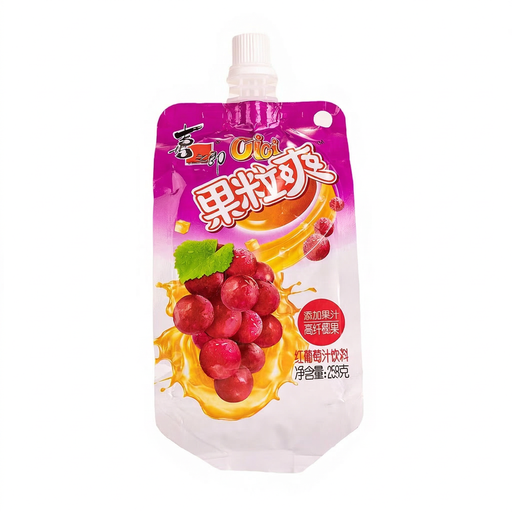
Why this fits the profile: A single pack is ideal for trying the combination of red grape flavour and nata de coco first, without committing to a multipack.
The product information states the grape juice percentage and the nutritional value of 52 kcal per 100 ml, so you can base your choice on concrete data.
258 grams, ready to eat and includes nata de coco for a firm, chewy texture.
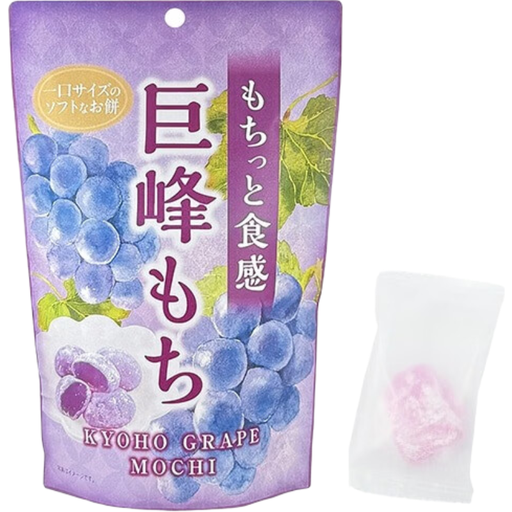
Why this fits the profile: Ideal for fans of Japanese desserts who value texture, presentation and individually wrapped portions.
The individual wrappers limit exposure to the air and make portions clearer when sharing or storing.
Kyoho grape juice in soft mochi, with 130 grams per pack and, according to the product information, none of the 14 main EU allergens.
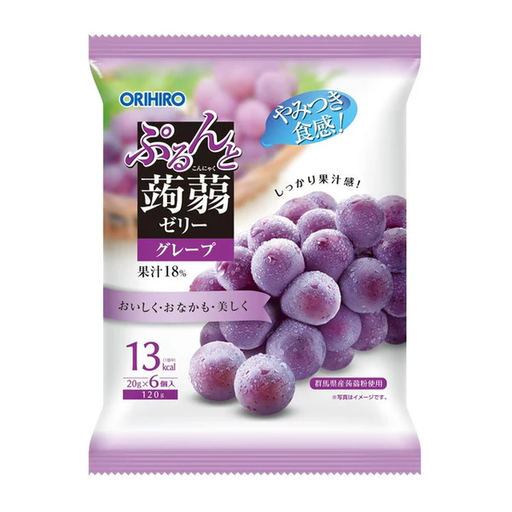
Why this fits the profile: The six individually wrapped jellies are practical for lunchboxes, on-the-go snacking or keeping a stock for multiple snack moments.
The portion packaging prevents you from having to store a large opened pack. Do follow the chewing instructions on the label.
Six portions, grape flavour, konjac powder and, according to the product information, 7 kcal per 100 grams.
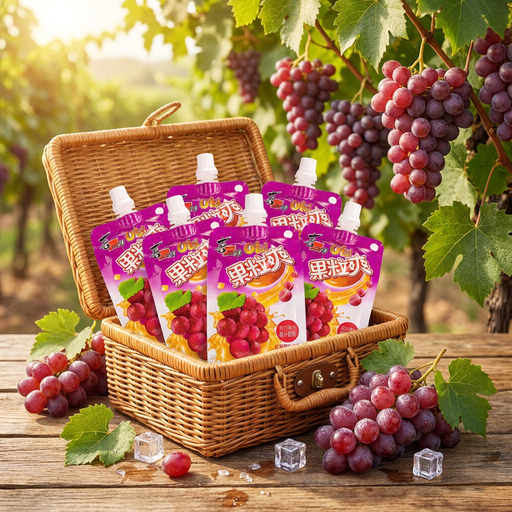
Why this fits the profile: A box of six packs suits households that regularly serve or share Asian grape-flavoured snacks.
The total contents and serving size are clear upfront. This makes it easier to estimate the price per pack and your consumption.
Six packs of 258 grams, red grape juice according to the product information and nata de coco for extra texture.
For a refreshing drink, white grape lemonade and grape drink with lemon are great with meals or when entertaining. DubbelFrisss White Grape Lemon Fruit Soft Drink contains 6% white grape juice concentrate and 1% lemon juice concentrate according to the product specification. G'woon Grape Lemon Squash states 14% white grape juice and 4% lemon juice from concentrate.
If you’re after a sugar-free green grape drink, take a look at Sweet16 Green Grape Ade Zero Sugar. The product information states 0 grams of sugar and 2 kcal per 100 millilitres, with sweeteners such as sucralose and stevia. Always check the current packaging at the time of purchase, as product compositions can change.
We’ve put together a full, up-to-date list of products that fully meet these strict selection criteria and comply with current European safety regulations.
According to the supplied product information, Konjac Jelly Green Grape states 5 kcal per 100 grams and ORIHIRO Grape Konjac Jelly states 7 kcal per 100 grams. Always compare the current nutritional information table and also pay attention to the amount you actually eat.
Not always. Some products should be stored cool and dry when unopened, and are mainly nicer when chilled. Once opened, you should store the packaging in the fridge according to the usage instructions and use it within the stated period. Check the label for this.
That depends on age, size, texture and the warnings on the packaging. Mochi and jelly are soft, sticky products that need to be eaten slowly. Read the instructions and don’t let young children snack without supervision.
