
Vandaag of morgen in huis

Kwaliteit gegarandeerd

Welkomstaanbiedingen ontgrendelen: GRATIS bezorging | Tot 80% korting | Gratis 30 dagen JoyPlus-proefperiode
Download de app
The sweet, rich flavour of grapes is no longer just for the fruit bowl. On social media, one unique snack after another is trending: from peelable grape candy to Korean drinks with a distinctive texture. But the hunt for these popular products can end in disappointment. Many snacks and drinks don't live up to the hype. Before you fill your shopping cart, it's wise to know what to look for.
Many shoppers fall for a few common pitfalls:
To avoid a disappointing purchase, there are a few specifications you should always check. This will help you separate marketing claims from facts.
The ingredients list is your most important tool. Ingredients are listed in order of quantity. If sugar or glucose syrup is at the top and concentrated grape juice appears much later, the product is primarily sweet rather than fruity. Look for statements like "fruit juice content >28%", which indicates a more pronounced fruit flavour. Products that only list "flavouring" likely contain no real grape.
Texture can make or break many Asian snacks. Look for these ingredients for the right experience:
grape mochi is soft and resilient.konjac jelly). This provides a much more satisfying texture than gelatine alone and is popular in many Japanese candies.Korean drinks often contain nata de coco (coconut jelly) or real grape pieces for an extra chewy element.Look beyond just the calorie count. A product might be low in calories because it's packed with artificial sweeteners like sucralose or acesulfame-K. Other products use sugar, fructose-glucose syrup, or trehalose. There's no right or wrong, but it's important to know what you're consuming. This helps you make an informed choice that suits your preferences.
Based on clear product specifications, we've selected a few options that cater to different preferences.
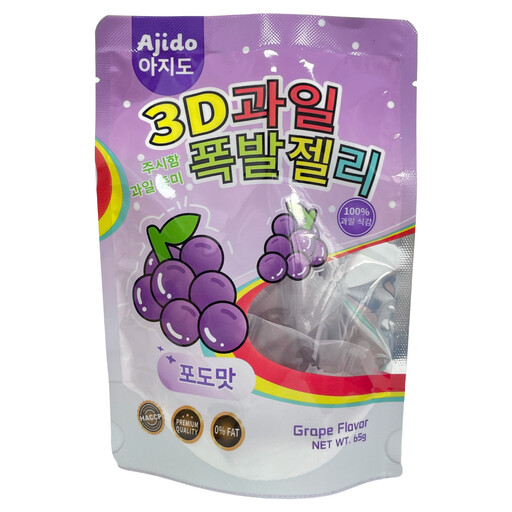
Why This Fits Their Persona: This is the ultimate social media snack. Its unique, peelable design is not only fun but also visually appealing for videos. It's an interactive experience that goes beyond just eating.
This product avoids the texture disappointment. Its key feature is its unique, peelable texture, which it delivers on completely. The ingredients list also specifies a juice content of over 28%.
Playful, interactive eating experience. Made with concentrated grape juice for a distinct fruit flavour.
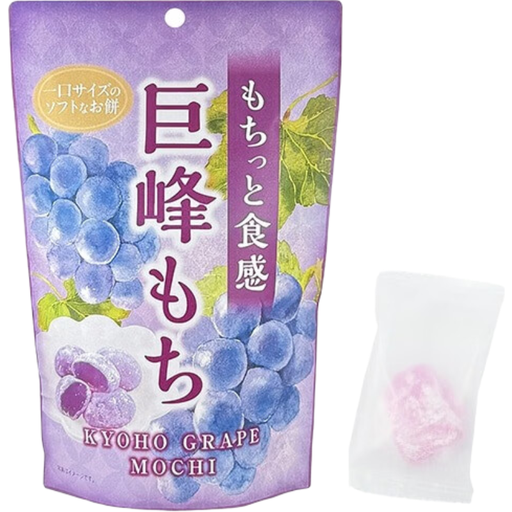
Why This Fits Their Persona: For those seeking a genuine Japanese experience. Mochi is a classic, and the Kyoho grape is a popular, flavourful grape variety in Japan. This product offers a specific, authentic taste rather than a generic 'grape flavour'.
This product bypasses both the texture and flavour pitfalls. It's made with glutinous rice flour for the perfect 'chewy' texture and contains real Kyoho grape juice, ensuring an authentic taste experience.
Authentic Japanese mochi texture. Flavour derived from a specific, high-quality grape variety (Kyoho).
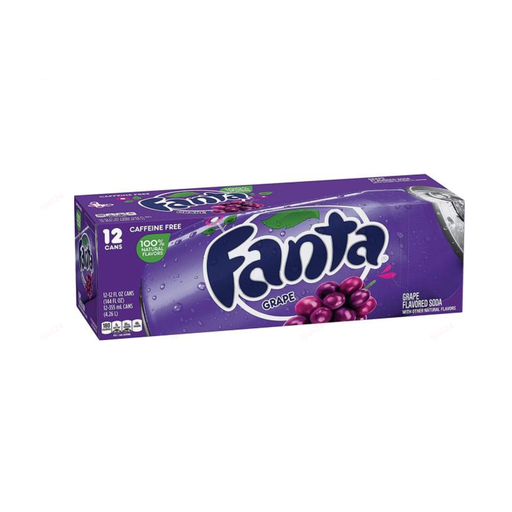
Why This Fits Their Persona: For anyone craving a familiar, fizzy soda, but with the hard-to-find grape flavour. Ideal for a party or just to keep in the fridge for a quick, sweet refreshment. No fuss, just a delicious soda.
This product is exactly what it promises to be: a grape-flavoured soda. It makes no false claims about being 'natural' and is transparent about its ingredients. You know exactly what you're getting, with no hidden surprises.
Classic, recognisable American `Fanta Grape` flavour. A fizzy and sweet thirst quencher that isn't typically found in local supermarkets.
We have compiled a complete, up-to-date list of products that meet these selection criteria and comply with current regulations.
The main difference lies in the base ingredient and texture. Konjac jelly is made from the konjac plant and has a much firmer, more resilient, and almost 'crisp' texture. It is also plant-based. Gelatine pudding, made from animal proteins, is typically softer and melts more quickly in the mouth. Due to its firm structure, it is often recommended to chew konjac jelly thoroughly.
Mochi is sensitive to temperature and moisture. To preserve its soft, sticky texture, it's best to store grape mochi in a cool, dry place in its original, sealed packaging. Storing it in the refrigerator can make the mochi hard. Once the package is opened, it's best to keep any leftovers in an airtight container and consume them within a day or two.
The sweetness of Japanese candies can vary. A drink like grape ramune is a carbonated soft drink and is similarly sweet to Western sodas. Other snacks, such as some mochi or jellies, may have a more subtle sweetness that focuses more on the fruit or bean flavour. It's worth checking the amount of sugar per 100 grams on the nutritional facts table to get an idea of the sweetness level.
