
Households buying breakfast for several mornings
If you regularly eat granola or a similar crunchy breakfast cereal, consider whether a larger pack suits your household’s needs.


Choose a multipack of granola if your household uses it regularly and can get through the quantity. Only consider crunchy muesli as an alternative if you’re happy to buy that type of product too. Then compare the nutritional information per 100 g and, if you have dietary requirements or allergies, check the current packaging for the exact product.
If you regularly eat granola or a similar crunchy breakfast cereal, consider whether a larger pack suits your household’s needs.
If you want to take nutritional information into account, the Netherlands Nutrition Centre recommends comparing breakfast cereals per 100 g. This puts the sugar and fibre values on the same basis.
If certain ingredients or allergens matter to you, the information on the current packaging for the exact product takes priority over the brand name or product title.
First decide whether you’re looking for granola or are also happy to eat crunchy muesli. Then consider the pack size and compare the labels of products that are genuine alternatives for your breakfast.
| What to consider | What to check when buying | Who is this most important for? |
|---|---|---|
| Quantity and how you’ll use it | Check the net weight and consider whether your household will get through the pack. | If I’m buying breakfast for several mornings at once, I don’t want a bigger bag than we’ll actually use. Having enough in stock is the top priority for around 36% of consumers. |
| Sugars, fibre and ingredients | Compare sugar and fibre per 100 g and read the ingredients lists of similar products. | I want to understand how the nutritional information for my breakfast choices compares, regardless of the serving size shown on the pack. Around 29% of consumers give this label comparison top priority. |
| Allergens and dietary requirements | Read the allergen information and ingredients list on the current packaging for the exact product. | If I have an allergy or dietary requirement, I need to be able to check whether this particular product is suitable. This is the most important buying requirement for around 21% of consumers. |
| Flavour and product type | Check the variant, its main ingredients and whether it’s granola or crunchy muesli. | If everyone in the household wants a particular flavour or texture, a large pack only makes sense if they’ll all keep eating it. This preference comes first for around 14% of consumers. |
These products can all be eaten for breakfast, but their ingredients and nutritional information may differ. A pack of a different product type isn’t automatically a suitable alternative.
Decide which product type you want, then compare the labels of the products you’d actually eat.
A larger pack tells you nothing about its sugar or fibre content. Nutritional values per serving may also be based on different serving sizes.
For similar breakfast cereals, compare the nutritional information per 100 g, as recommended by the Netherlands Nutrition Centre, and read the ingredients list too.
Ingredients and allergens can vary between products. Albert Heijn also notes that online product information can change.
If you have an allergy, always check the allergen information on the current packaging for the exact product.
Where a product is sold and whether it’s available can vary. Lidl lists one granola as available in-store only, while Jumbo has temporarily shown certain Zonnatura mueslis as unavailable.
Before doing your weekly shop, check that your chosen product is available in the shop or through the channel you plan to use.
A range of crunchy breakfast cereals, including larger packs and a variety of flavours.
A supermarket own brand offering both granola and crunchy muesli in a range of pack sizes.
ALDI’s own brand, offering granola and crunchy muesli.
A brand with several granola variants and an 850 g Low Carb Crunch Nuts & Seeds Big Bag.
A breakfast cereal brand with both granola and muesli in its range.
Each of these multipacks contains six bags, making them an option for households that like to keep breakfast cereal in stock. The first, second and fifth options are granola; the other two are crunchy muesli. Choose your preferred product type first, then check the current packaging if you have specific dietary requirements or allergies.
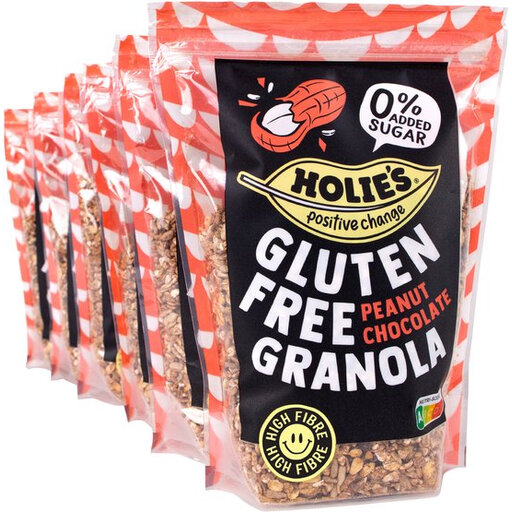 No image available
Six separate bags of granola may suit a household that likes to buy breakfast for several mornings at once.
If you have allergies or dietary requirements, check the ingredients and allergens on the current packaging. Don’t assume the product is suitable based on its variant name.
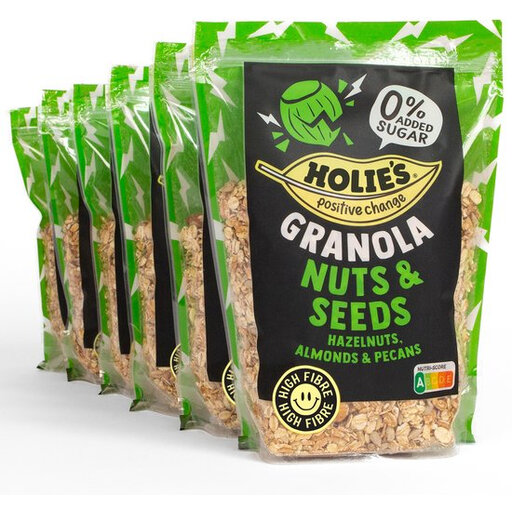 No image available
This granola comes in six 350 g bags, making it handy if you like to plan breakfast for several mornings ahead.
Compare the nutritional information per 100 g with other granola you’re considering, and check the current packaging if you have allergies.
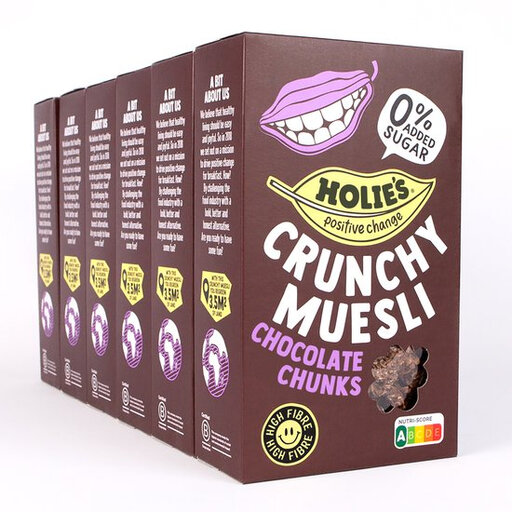 No image available
Six bags of crunchy muesli may suit you if you’re stocking up and your household is happy to eat this instead of granola.
The pack contains six 400 g bags. Compare the ingredients and nutritional information with granola before choosing between the two product types.
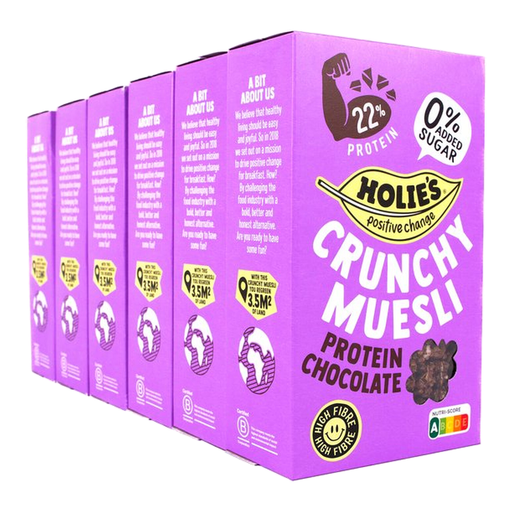 No image available
This pack is an option if you’re stocking up on crunchy muesli, rather than granola specifically, for several breakfasts.
The pack contains six 400 g bags. If the word Protein is important to your choice, check the nutritional information for this exact product.
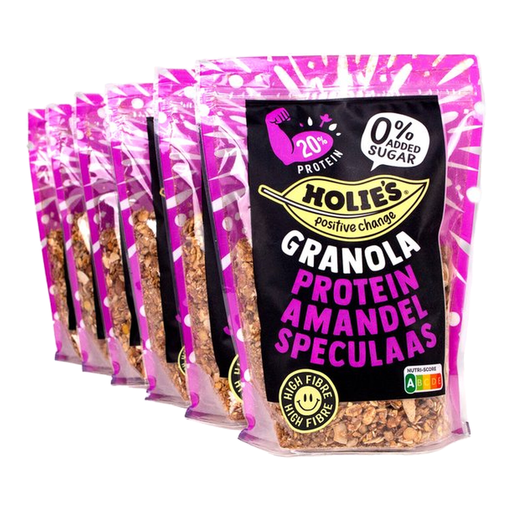 No image available
This granola comes in six bags and may suit a household that wants to stock up on the same flavour for several breakfasts.
Each bag contains 350 g. If nutritional values or allergens matter to you, read the information on the current packaging for this product.
A multipack is practical when the quantity suits what your household eats regularly. Check the net weight and decide first whether you want granola or are also happy to have crunchy muesli as an alternative.
Compare the values per 100 g for granola products you’re considering as alternatives. The Netherlands Nutrition Centre recommends this basis for comparing breakfast cereals. Also check the ingredients, and don’t let differences in the stated serving size skew your comparison.
No. Also check the allergen information and ingredients list on the current packaging for the exact product. The Netherlands Food and Consumer Product Safety Authority stresses the importance of clear allergen information on food labels.
Follow the storage instructions on the packaging you choose. For Quaker Cruesli Chocolade, the stated advice is to store the product in a cool, dry place and close the bag securely after use. Check the packaging for other products.
Use the online description as a starting point, but check the current packaging before eating the product. Albert Heijn notes that product ingredients, nutritional values and allergy information can change.