Who is this choice relevant to?

Parents who pay attention to texture

For parents of children under 4 who want to serve granola or muesli and first check whether it contains whole nuts, peanuts or other hard pieces. The Netherlands Nutrition Centre warns about the choking risk posed by whole nuts and peanuts.

Parents looking for a wholegrain breakfast cereal

For parents who want to alternate bread at breakfast with porridge, muesli or other wholegrain breakfast cereals. For children aged 1 to 3, the Netherlands Nutrition Centre recommends varieties with no added sugar or salt.

Households comparing products at the supermarket

For anyone choosing between muesli and granola at Albert Heijn, Jumbo, Lidl or ALDI. Compare the specific packs: ingredients, nutritional information and allergens can vary between varieties, and product information may change.

What should you look for when buying?

Porridge or wholegrain muesli

Choose this if: you’re looking for a wholegrain breakfast cereal with no added sugar or salt to alternate with bread at breakfast.

Bear in mind: muesli can also contain nuts or other ingredients that you’ll need to check on each pack.

Granola

Choose this if: you’d like a crunchy option and its ingredients, allergens and pieces are suitable.

Bear in mind: wholegrain cereals or a ‘no added sugar’ claim don’t tell you anything about the texture or salt content.

What to consider What to check when buying Who it matters to
Texture and allergens Check the pieces in the product and read the latest ingredients and allergen information. Do not give whole nuts or peanuts to children under 4. If my toddler is having granola, I want to know whether it contains whole nuts or hard pieces and which allergens are listed. Around 46% of consumers put this check first.
Wholegrain, sugar and salt Check whether the breakfast cereal is wholegrain and read the ingredients for added sugar and salt; don’t just look at the front of the pack. I want to alternate bread at breakfast with a wholegrain cereal that contains no added sugar or salt. Around 36% of consumers prioritise this composition.
Choice in store Compare muesli and granola pack by pack, and check the label again when buying a product regularly. When doing my regular shopping, I want to be able to choose between muesli and granola without relying on an old product description. This practical consideration comes first for around 18% of consumers.

Pitfalls to avoid when choosing

  • Assuming wholegrain means it’s suitable in every other way for a toddler

    Wholegrain is just one thing to consider. For children aged 1 to 3, the Netherlands Nutrition Centre recommends breakfast cereals with no added sugar or salt. Crunchy muesli or cruesli can also contain added sugar, honey or chocolate.

    After checking the wholegrain claim, read the full ingredients list and compare the nutritional information too.

  • Letting a sugar claim determine whether the texture is suitable

    A variety with no added sugar can still contain whole nuts or other hard pieces. The Netherlands Nutrition Centre advises against giving whole nuts or peanuts to children under 4 because of the choking risk.

    Check the pieces and allergens separately, even if the front of the pack highlights its sugar content.

  • Relying on a product page you viewed earlier

    Albert Heijn warns that ingredients, nutritional values and allergen information may change. The pack you actually buy may therefore differ from information you read online earlier.

    Check the current label, especially if you want to avoid a particular ingredient or allergen.

  • Packing a breakfast cereal without checking the rules

    Allergen information on the label won’t tell you what rules a nursery or school has for food brought from home.

    Read the packaging and ask the nursery or school about its own rules before sending in a product containing relevant allergens.

Comparing brands and supermarket ranges

Quaker Cruesli

Jumbo lists Quaker Cruesli Zero Sugar Added Granola Naturel as a lightly toasted mix of wholegrain cereals, described as containing no added sugars or sweeteners.

  • This Naturel variety gives you a specific label to compare ingredients and nutritional information.
  • Don’t assume the no-added-sugars claim applies to other varieties. For a toddler, check allergens and hard pieces too.

Albert Heijn

The range includes both granola and wholegrain muesli, including AH Volkoren muesli naturel and AH Volkoren muesli noten & zaden.

  • You can compare a simple muesli with a crunchy variety and check the ingredients on each pack.
  • Albert Heijn notes that ingredients, nutritional values and allergen information may change, so check the current label.

Jumbo

Jumbo describes Jumbo’s Granola Noten as granola made with wholegrain cereal flakes and nuts, with no added sugars.

  • The description lets you compare the ingredients in this specific variety with those in other granolas.
  • As nuts are listed, check the pieces before serving this product to a child under 4.

Lidl

Lidl lists granola in super berry and super nutty varieties as products available in store.

  • These varieties give you a starting point for comparing ingredients in store.
  • Check the nutritional information, allergens and pieces in the product on the pack, especially for the nut variety.

ALDI / Golden Bridge

ALDI lists both granola and wholegrain muesli under Golden Bridge: two different types of breakfast cereal to compare.

  • Wholegrain muesli is an alternative if you’re not specifically looking for crunchy granola.
  • Granola varieties may contain nuts and seeds; check the ingredients, allergens and texture on each pack.

Zonnatura

Jumbo lists three wholegrain cereals, nuts, seeds and coconut in Zonnatura Ovengebakken Granola Noten, Zaden & Kokos.

  • The nutritional information listed for this variety gives 14 g of sugars per 100 g, so you can compare it with other products.
  • The wholegrain claim doesn’t tell you whether other ingredients have been added or whether the texture is suitable. Check the current label and the pieces in the product.

Breakfast cereals on Joybuy

These products show alternatives to granola: a crunchy Cruesli variety, porridge and wholegrain wheat breakfast cereals. For a toddler, check the current packaging and texture of each product; the product name alone doesn’t confirm that it’s suitable.
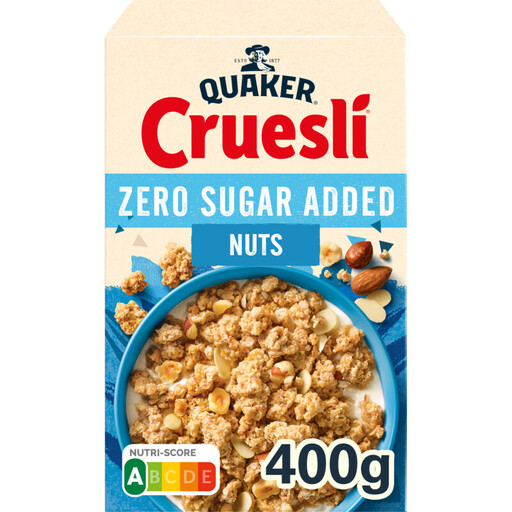
Quaker Cruesli Nuts Zero Sugar, 400 g pack

Quaker Cruesli Nuts Zero Sugar 400 g

A crunchy breakfast cereal to compare with a simple muesli. Before serving it to a toddler, check the ingredients and allergens, and see whether it contains whole nuts or other hard pieces. Don’t assume it’s suitable based on the name Zero Sugar.

View on Joybuy
Zonnatura Organic Whole Wheat Oatmeal, 500 g pack

Zonnatura Organic Whole Wheat Oatmeal 500 g

Porridge is an alternative if you’re not looking for crunchy granola. Check the pack for the cereals, added ingredients and allergens listed, and assess the texture after preparation before serving it to a toddler.

View on Joybuy
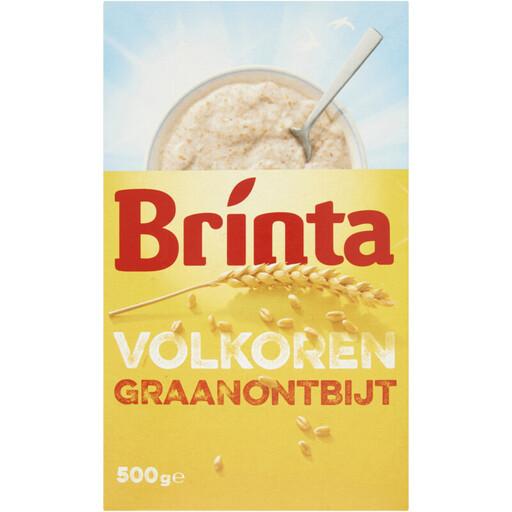
Brinta Whole Wheat Cereal Breakfast, 500 g pack

Brinta Whole Wheat Cereal Breakfast 500 g

A wholegrain wheat breakfast cereal to consider as an alternative to granola. Read the ingredients and nutritional information on the pack, including the salt content, and check the texture after preparation before serving it to a toddler.

View on Joybuy

Frequently asked questions

Can a toddler have granola for breakfast?

It’s best to decide product by product, rather than by category alone. For children aged 1 to 3, the Netherlands Nutrition Centre recommends porridge, muesli or other wholegrain breakfast cereals with no added sugar or salt as alternatives at breakfast. If this means they don’t have bread at breakfast, the Netherlands Nutrition Centre advises offering bread at another time of day. With granola, check the allergens and hard pieces as well.

Can I give a child under 4 granola with whole nuts?

No. Don’t give whole nuts or peanuts to a child under 4: the Netherlands Nutrition Centre warns about the risk of choking. Check what’s in the granola rather than relying on the product name or a mention of nuts on the front of the pack.

How do I check allergens if I’m sending granola to nursery?

Read the allergen information on the current pack, and also ask about the nursery’s rules for food brought from home. The Netherlands Food and Consumer Product Safety Authority explains how allergens are labelled on packaged foods; the label won’t tell you what a particular nursery allows.

Does wholegrain mean granola contains no added sugar?

No. A wholegrain claim says nothing by itself about added sugar. The Netherlands Nutrition Centre points out that crunchy muesli or cruesli may contain added sugar, honey or chocolate, for example. So read the ingredients list and compare the nutritional information per 100 g. For a toddler, check the salt content and texture too.
